
15,000 applications in Germany waiting for permit to transport wind turbines
- September 13, 2023
- Posted by: Quatro Strategies
- Categories: Business & Politics, United States
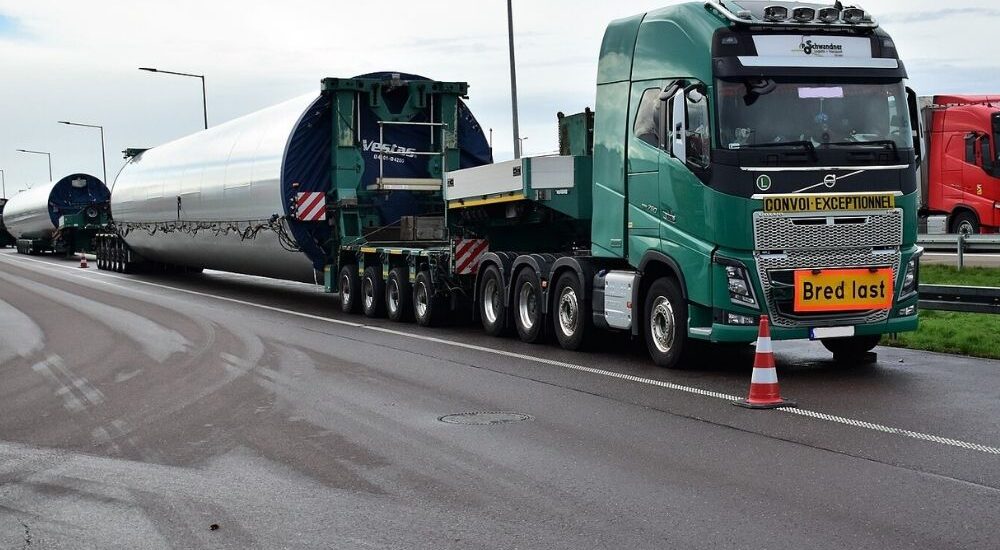
Germany’s wind power expansion is facing significant delays due to a backlog of more than 15,000 applications for permits to transport heavy wind turbine components. Companies in the wind energy sector have reported that the delays in securing permits are costing them thousands of euros per day and have the potential to cost the industry an extra €115 million by the end of the year.
Transport permits are necessary to move heavy loads, such as wind turbine components, over bridges and highways. This often requires dismantling structures, road signs, and police escorts, and some transports can only take place at night. The costs associated with obtaining permits have risen substantially, with application fees jumping from €100 to more than €1,000. In addition to the increased costs, the rigid nature of the permits means that multiple applications are often required to cover different eventualities.
The delays in obtaining transport permits pose a significant challenge to Germany’s efforts to expand its wind power capacity. The country aims to generate 80% of its electricity from renewable sources by 2030, with a significant portion coming from onshore wind power. However, the permitting backlog threatens to hinder the achievement of this goal.
One of the key issues contributing to the delays is the lack of a single law regulating heavy load transport, leading to different regulations in each federal state. Additionally, outdated software and administrative guidelines have further complicated the permitting process.
To address these challenges, some experts are calling for the implementation of a geo-information system that can streamline the permitting process and provide standardized procedures for both industry and authorities. Until such measures are put in place, wind energy companies in Germany may continue to face costly delays in their projects.
In the meantime, the wind power industry is looking to countries like Denmark, which have implemented more efficient permitting processes and have seen significant improvements in the speed and cost-effectiveness of transporting wind turbine components.
Interested in learning more?
Sign up for Top Insights Today

Top Insights Today delivers the latest insights straight to your inbox.
You will get daily industry insights on
Oil & Gas, Rare Earths & Commodities, Mining & Metals, EVs & Battery Technology, ESG & Renewable Energy, AI & Semiconductors, Aerospace & Defense, Sanctions & Regulation, Business & Politics.
Read more insights
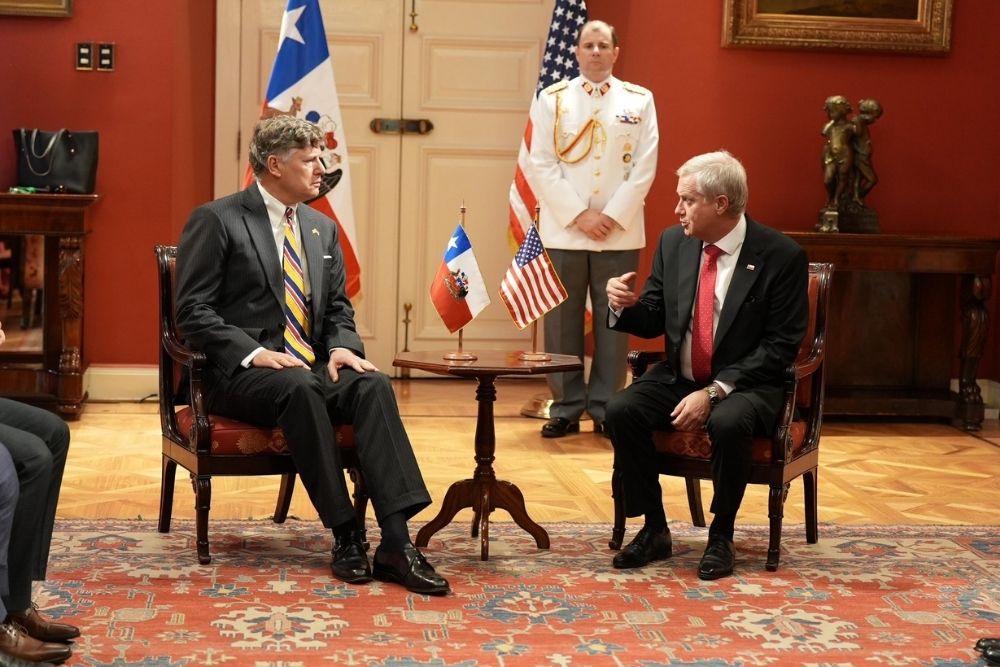
Chile pivots to Washington on rare earths and critical minerals
Chile’s new right-wing government is moving quickly to align with Washington on the most strategic slice of the global commodity complex: rare earths and “critical minerals” that sit inside the supply chains for electric vehicles, semiconductors, defense platforms and consumer electronics.
Santiago and Washington have signed a joint statement to launch formal consultations, with the first meeting scheduled within about two weeks. The agenda is explicitly practical rather than rhetorical: potential public and private financing for mining projects, cooperation on recycling and scrap management, and identifying new exploration or development targets that could expand supply in both countries.
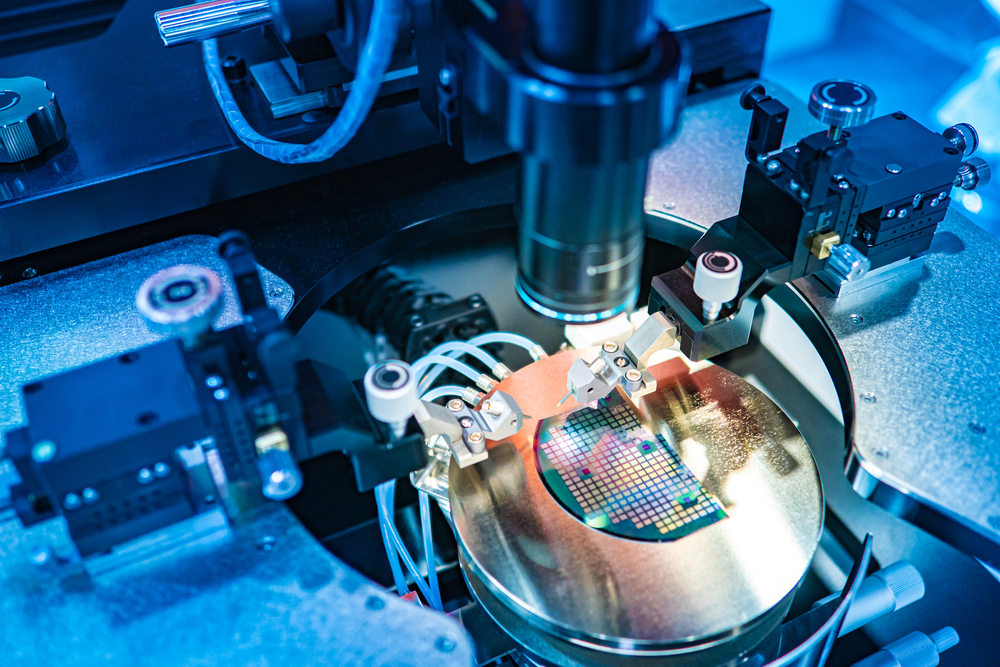
Trump eyes overhaul of AI chip export rules to boost trade leverage
The Trump administration is considering a major overhaul of a Biden-era export control rule that governs global access to advanced U.S. artificial intelligence (AI) chips, a shift that could further weaponize semiconductors as a tool of U.S. trade diplomacy. The rule in question, known as the Framework for Artificial Intelligence Diffusion, was introduced in January by the U.S. Department of Commerce to regulate who can receive the most advanced AI chips and under what conditions.
It is scheduled to take effect on May 15. Currently, the rule divides the world into three tiers. Seventeen allied countries, plus Taiwan, are in Tier 1 and have unrestricted access to AI chips. Around 120 other countries are in Tier 2 and face strict volume caps on how many chips they can import. Tier 3 includes countries such as China, Russia, Iran, and North Korea, which are banned entirely from receiving these semiconductors.
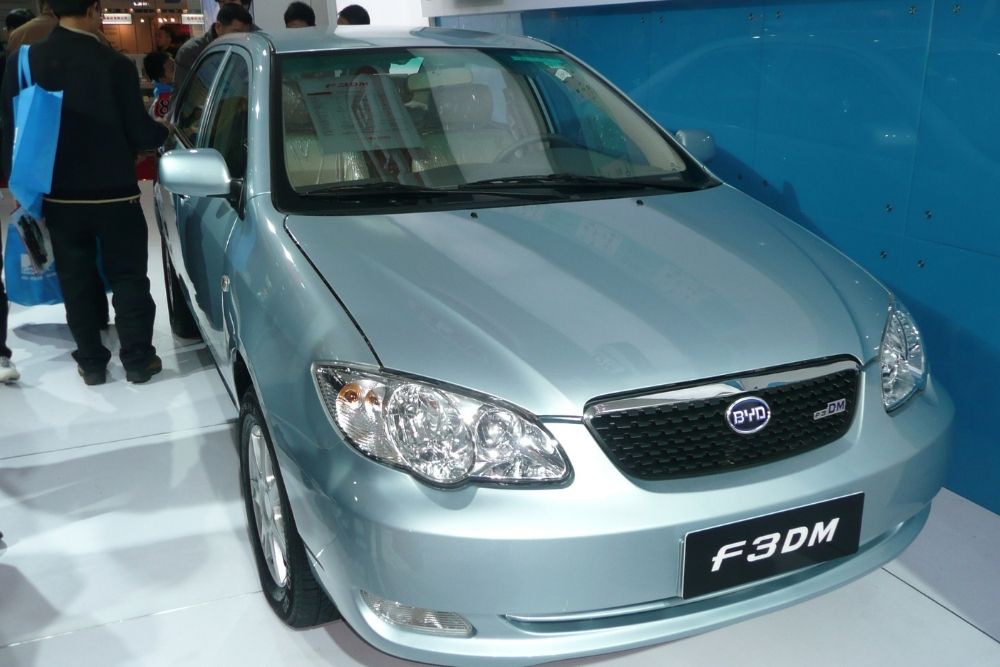
France’s pact with automakers aims to counter Chinese influence in EV market
The recent pact between the French government and the automotive industry signifies a concerted effort to accelerate the transition to electric vehicles (EVs) while safeguarding the domestic automotive sector from global competition, particularly from China. Signed amidst Chinese President Xi Jinping’s state visit…