
U.S. to send F-16s to Ukraine via Netherlands, Denmark
- August 18, 2023
- Posted by: Quatro Strategies
- Categories: Aerospace & Defense, Europe, United States
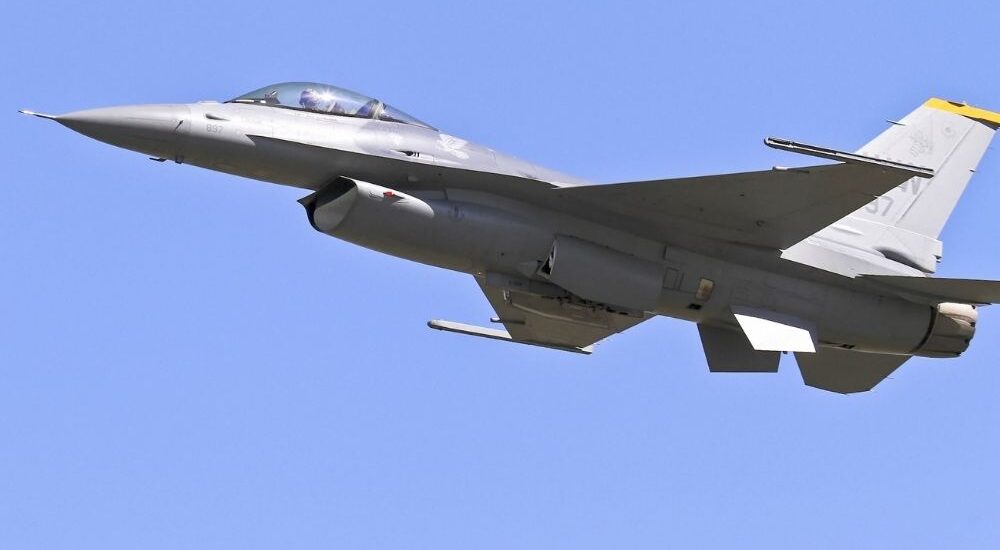
The United States has granted its approval for the transfer of F-16 fighter jets to Ukraine from Denmark and the Netherlands, marking a significant milestone in Ukraine’s efforts to strengthen its defense capabilities amid concerns of potential Russian aggression. This decision comes in the wake of a collaborative initiative involving 11 countries to train Ukrainian pilots for F-16 aircraft operations, with Denmark and the Netherlands playing a pivotal role in leading this training effort.
The training program, a collaborative endeavor led by NATO members Denmark and the Netherlands, aims to not only prepare Ukrainian pilots for F-16 operations but also encompass support staff training, aircraft maintenance, and the ultimate goal of enabling Ukraine to independently operate and maintain F-16 fighter jets. These aircraft are renowned for their versatility and combat capabilities, making them a valuable addition to Ukraine’s defense arsenal.
In this context, US Secretary of State Antony Blinken has communicated the US government’s approval for the transfer of F-16s to Ukraine in letters sent to his counterparts in Denmark and the Netherlands. These letters emphasize the significance of bolstering Ukraine’s ability to defend itself against potential Russian aggression and maintain its sovereignty. Blinken further stressed that this approval would allow Ukraine to fully leverage its new capabilities once the initial group of pilots completes their training.
This decision underscores the ongoing geopolitical tensions in the region and the international community’s commitment to supporting Ukraine’s defense initiatives. However, experts caution that the operational effectiveness of F-16s over Ukraine’s contested airspace might be hampered by Russian air defense systems and other challenges.
It’s crucial to note that the F-16 fighter jets are manufactured by Lockheed Martin, a prominent American defense contractor. The transfer of these jets to Ukraine underscores the broader security concerns in the region and the strategic implications of strengthening Ukraine’s defense capabilities.
Despite this development, it’s worth considering that while the F-16 transfer demonstrates international support for Ukraine, it might not be a decisive game-changer given the complex dynamics of the conflict and the sophistication of Russia’s military systems. The geopolitical landscape remains fluid, and the deployment of F-16s adds a layer of complexity to an already tense situation in the region.
As Ukraine’s military collaboration with NATO nations intensifies, the successful implementation of F-16 operations will rely on factors such as training effectiveness, logistical support, and the evolving security dynamics in the area. The transfer of F-16 fighter jets to Ukraine serves as both a symbol of solidarity and a strategic move aimed at strengthening Ukraine’s defense capabilities against potential threats.
Interested in learning more?
Sign up for Top Insights Today

Top Insights Today delivers the latest insights straight to your inbox.
You'll get daily industry insights on
Energy, Cleantech, Oil & Gas, Mining, Defense, Aviation, Construction, Transportation, Online Retail, Bigtech, Finance and Politics of Business
Read more insights

Taiwan’s Foxconn latest victim of China’s regulatory crackdown
Chinese tax authorities recently conducted searches at offices of Foxconn, a Taiwanese company famous for producing Apple iPhones. The searches took place in Foxconn’s offices in Guangdong and Jiangsu provinces, with the Ministry of Natural Resources inspecting their premises…
U.S. turns forced-labour rules into a trade membership fee
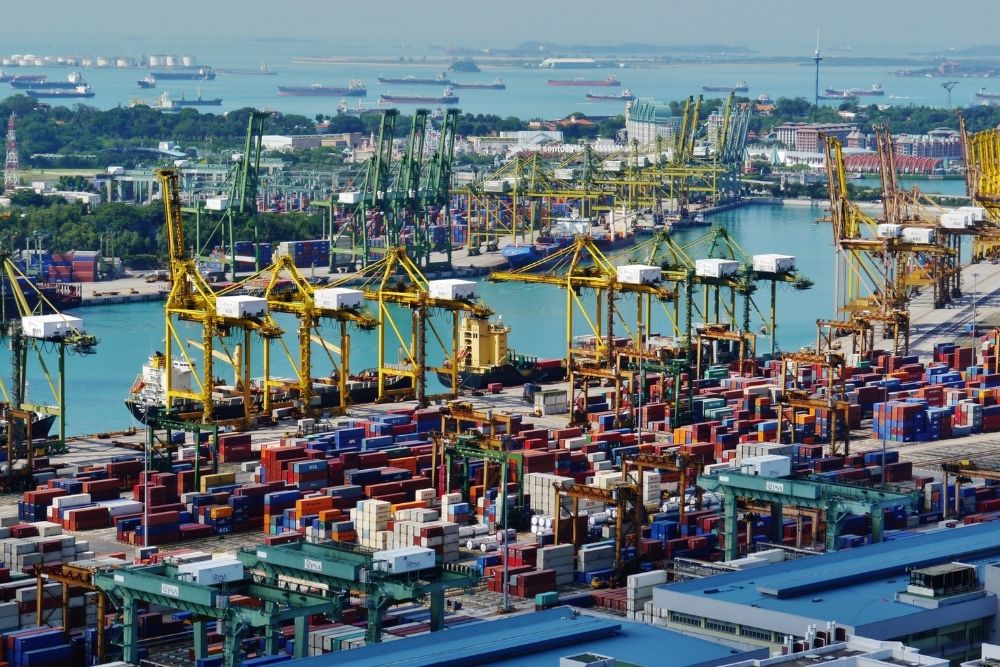
Singapore runs a trade deficit with the United States. It has a free trade agreement with the United States dating from 2004. It is a treaty-adjacent security partner, a rules-based jurisdiction with among the world’s most transparent regulatory systems, and there is no evidence it handles goods made with forced labour.
Last month it was hit with the highest tier of America’s new Section 301 tariff, and the stated reason was that it has not passed a particular piece of legislation. That is the clearest available illustration of what the forced labour framework actually is: not an enforcement mechanism against abuse, but a compliance regime that penalises the absence of a specific legal instrument.
Crude’s retreat shows demand destruction, not real stability
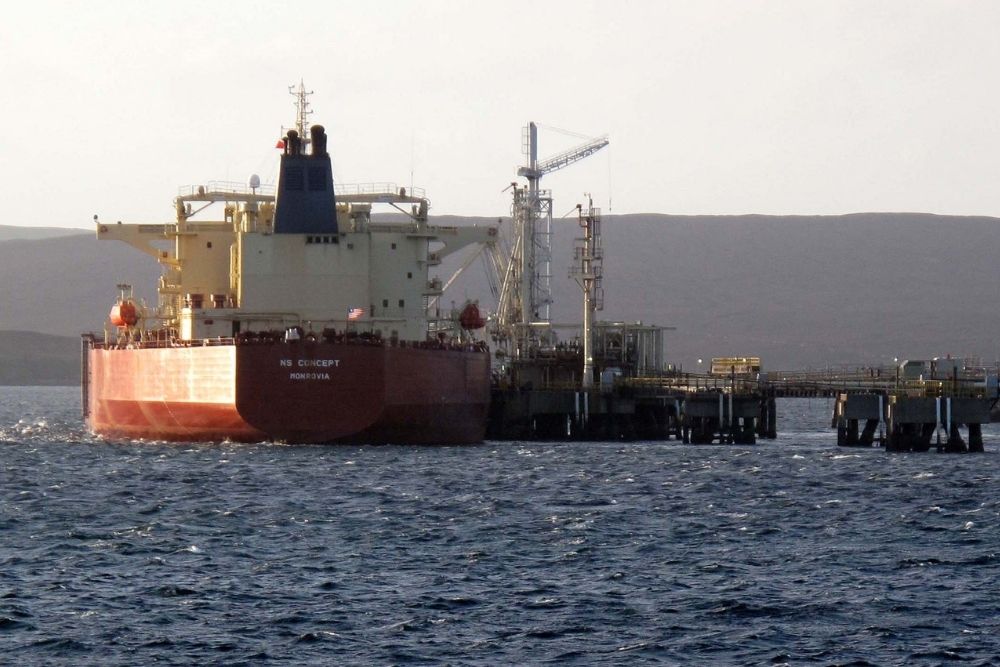
The oil market has delivered a counterintuitive response to what should have been one of the most explosive supply shocks in modern history. When physical crude prices surged above $160 a barrel in late March, many traders and analysts expected a prolonged closure of the Strait of Hormuz to push prices into a full-scale crisis.
Five weeks later, however, with the waterway still largely closed and peace negotiations stalled, prices have not continued rising. Instead, they have retreated to roughly $100 to $110 a barrel. That decline does not mean the supply shock has disappeared. It means the market has temporarily absorbed the disruption through demand destruction, emergency substitution, refinery cutbacks, inventory drawdowns and a surge in U.S. exports.