
Australia buying Tomahawk missiles from U.S. worth $833 million
- August 21, 2023
- Posted by: Quatro Strategies
- Categories: Aerospace & Defense, Asia Pacific, United States
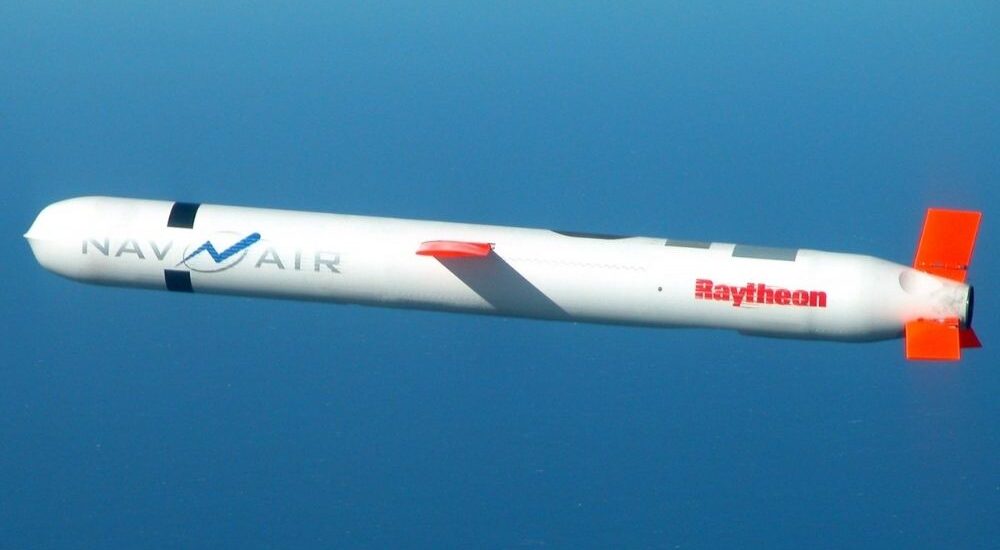
Australia has committed to spending A$1.3 billion (approximately $833 million) to enhance its long-range strike capabilities, which includes the procurement of more than 200 Tomahawk cruise missiles from the United States. This acquisition aligns with Australia’s broader defense transformation efforts and comes as the country finalizes the deal to acquire the Tomahawk missiles, marking Australia as one of the select few nations, alongside the U.S. and Britain, to possess this advanced capability.
Defence Minister Richard Marles emphasized the importance of investing in capabilities that would allow the Australian Defence Force to deter potential adversaries and maintain security in an increasingly complex global environment. The Tomahawk missiles, manufactured by RTX Corp, boast an impressive range of 1,500 kilometers (932 miles) and will be deployed on the Royal Australian Navy’s Hobart-class destroyers.
This move towards bolstering Australia’s defense capabilities has been driven by concerns about China’s substantial military expansion, which is regarded as the most significant since World War II. To address these concerns, Australia has taken steps to modernize and upgrade its defense forces. Notably, Australia recently entered into a collaboration with the United States and Britain to develop a fleet of nuclear-powered submarines, further underlining its commitment to reinforcing its military capabilities.
Alongside the procurement of Tomahawk missiles, Australia will allocate approximately A$431 million for the acquisition of over 60 advanced anti-radiation guided missiles from the United States. Furthermore, the country plans to purchase long-range anti-tank guided missiles to enhance its Australian Army’s Boxer combat reconnaissance vehicles, with this contract valued at over A$50 million.
This investment in advanced weaponry follows closely after the United States approved the potential sale of M142 High Mobility Artillery Rocket Systems (HIMARS) to Australia for approximately $975 million. The collective effort to strengthen Australia’s defense capabilities underscores the nation’s commitment to maintaining security in the face of evolving global dynamics and potential threats.
Interested in learning more?
Sign up for Top Insights Today

Top Insights Today delivers the latest insights straight to your inbox.
You will get daily industry insights on
Oil & Gas, Rare Earths & Commodities, Mining & Metals, EVs & Battery Technology, ESG & Renewable Energy, AI & Semiconductors, Aerospace & Defense, Sanctions & Regulation, Business & Politics.
Read more insights
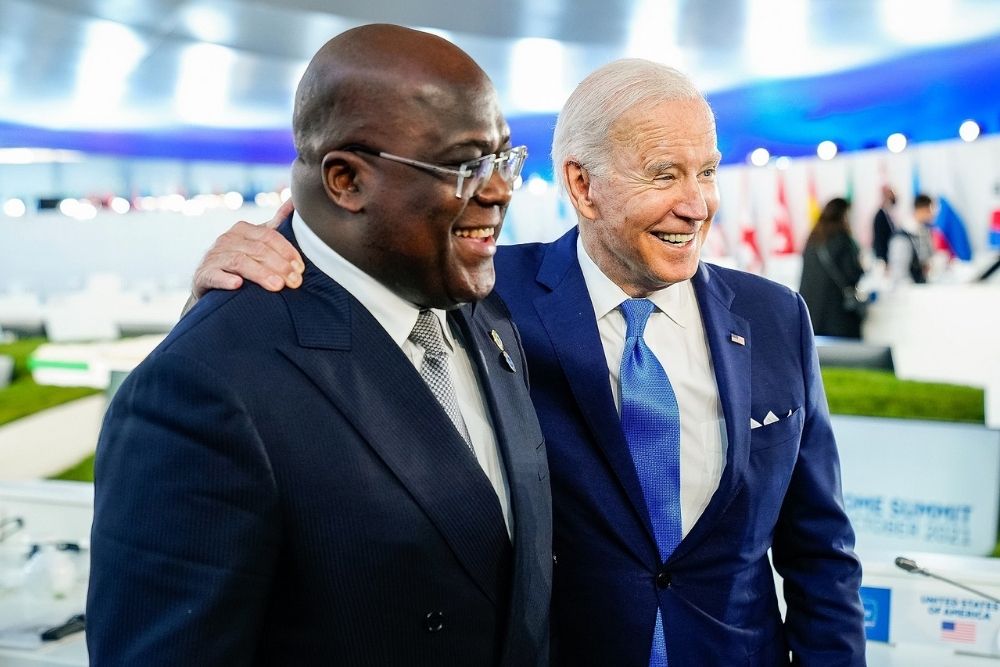
Biden set to use G20 to offer financial support to the global south
U.S. President Joe Biden is set to attend the Group of 20 (G20) meeting in India with a proposal to offer financial support to the “Global South.” He aims to persuade fast-growing economies in Africa, Latin America, and Asia that there is an alternative to China’s Belt and Road project
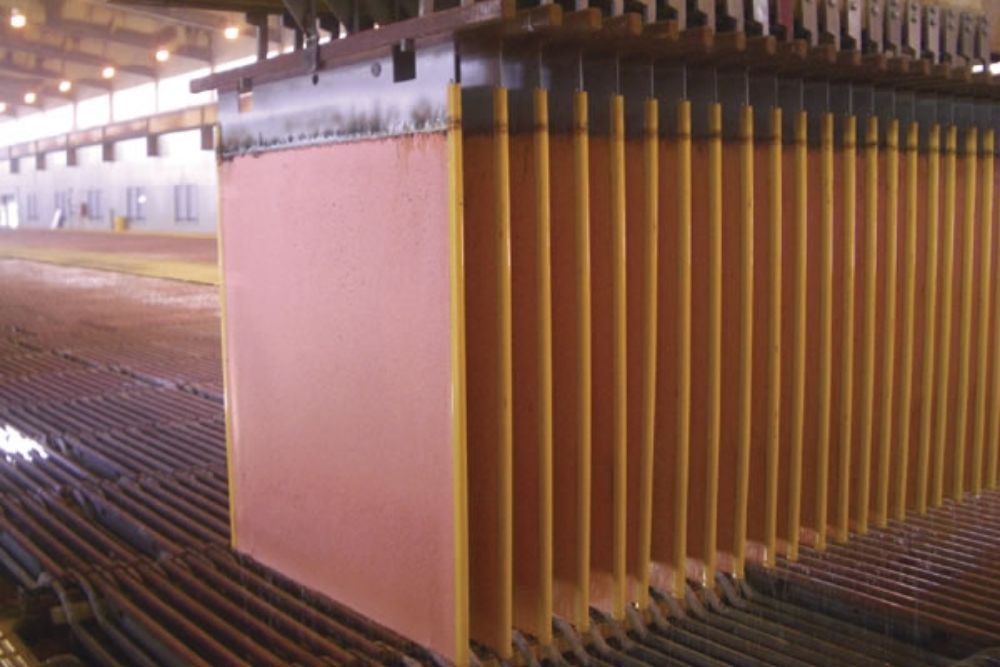
Copper futures rally prompts CME to hike margin requirements
The CME Group is increasing margin requirements for copper futures, which have reached record highs this week, leading to further buying by speculators as investors with bearish positions faced pressure. The rally in CME prices, which have surged nearly 30% this year, is expected to continue in the short term…
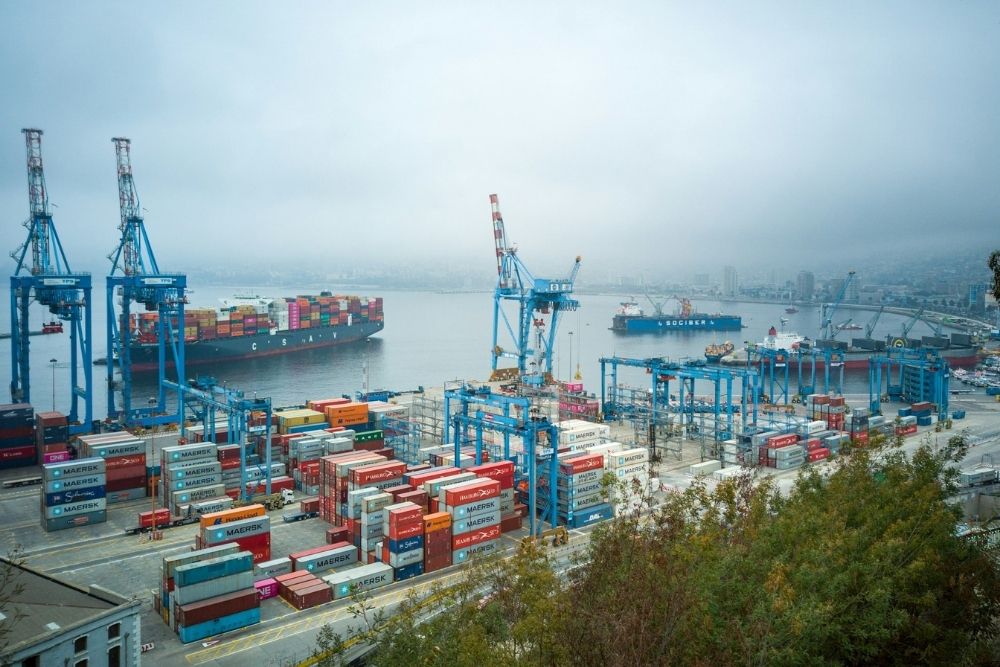
China’s front-loaded export boom reverses in July
Chinese shipments bound for the United States fell outright for the first time in several months. Official trade figures do not appear until August 7 but the businesses filling in independent surveys already know. The reversal is abrupt because the preceding surge was artificial.
Chinese exports to the United States rose 14 percent in June, helping overall exports jump 27 percent, the fastest pace in nearly five years, as manufacturers rushed orders through ahead of anticipated tariff increases. Manufacturing showed the clearest improvement, retail sales recovering nicely, and American-bound orders posting sharp year-on-year gains.