
India’s ONGC Videsh gets three year extension for South China Sea exploration
- August 21, 2023
- Posted by: Quatro Strategies
- Categories: India, Oil & Gas
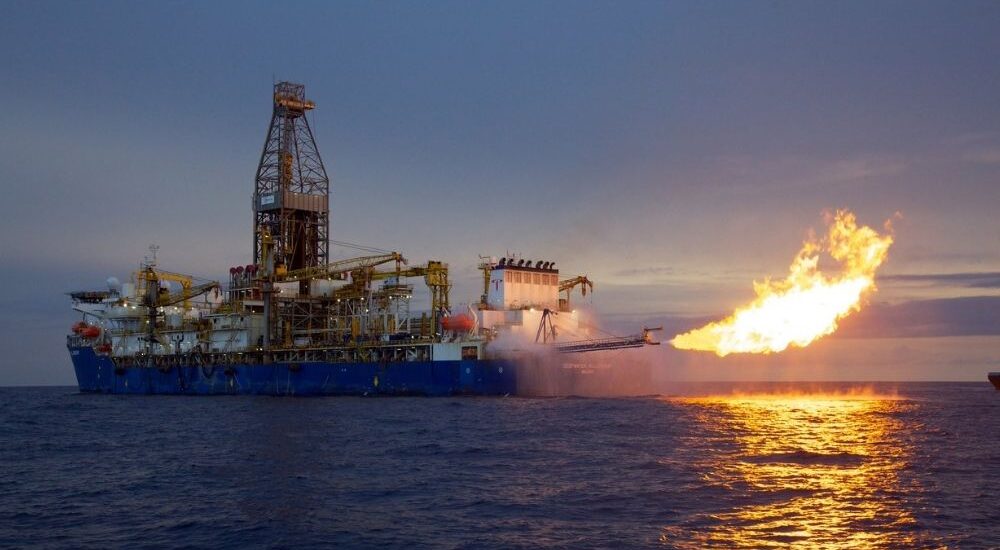
Indian energy company ONGC Videsh has received a three-year extension from Vietnam for its exploration activities in “Block 128” located in the South China Sea. The company announced the extension through a post on the social messaging platform X (formerly known as Twitter).
ONGC Videsh is the overseas investment subsidiary of India’s leading oil exploration company, Oil and Natural Gas Corp (ONGC).
The South China Sea has been a region of longstanding territorial disputes among various countries, including China and its neighboring rivals. The tensions have escalated in recent years as countries have reinforced their positions on the islands, rocks, and reefs they control in the area.
Despite the geopolitical challenges and conflicting territorial claims in the South China Sea, ONGC Videsh expressed its commitment to continuing exploration in “Block 128” until June 15, 2026. This extension reflects India’s strategic interest in the region, and it signifies ONGC Videsh’s determination to sustain its exploration activities.
It’s worth noting that the extension granted to ONGC Videsh covers exploration activities within a block that partially falls within China’s expansive territorial claim known as the “nine-dash line.” This line encompasses a vast portion of the South China Sea, and it has been a point of contention as multiple countries, including the Philippines, Brunei, Malaysia, and Taiwan, have competing claims in the region.
The South China Sea is a crucial maritime route for international trade, with over $5 trillion worth of goods passing through it each year. The ongoing territorial disputes and geopolitical tensions have raised concerns about the potential impact on regional stability and global trade routes.
Interested in learning more?
Sign up for Top Insights Today

Top Insights Today delivers the latest insights straight to your inbox.
You will get daily industry insights on
Oil & Gas, Rare Earths & Commodities, Mining & Metals, EVs & Battery Technology, ESG & Renewable Energy, AI & Semiconductors, Aerospace & Defense, Sanctions & Regulation, Business & Politics.
Read more insights
Red Sea shipping disruptions prompt surge in demand for air and rail freight alternatives
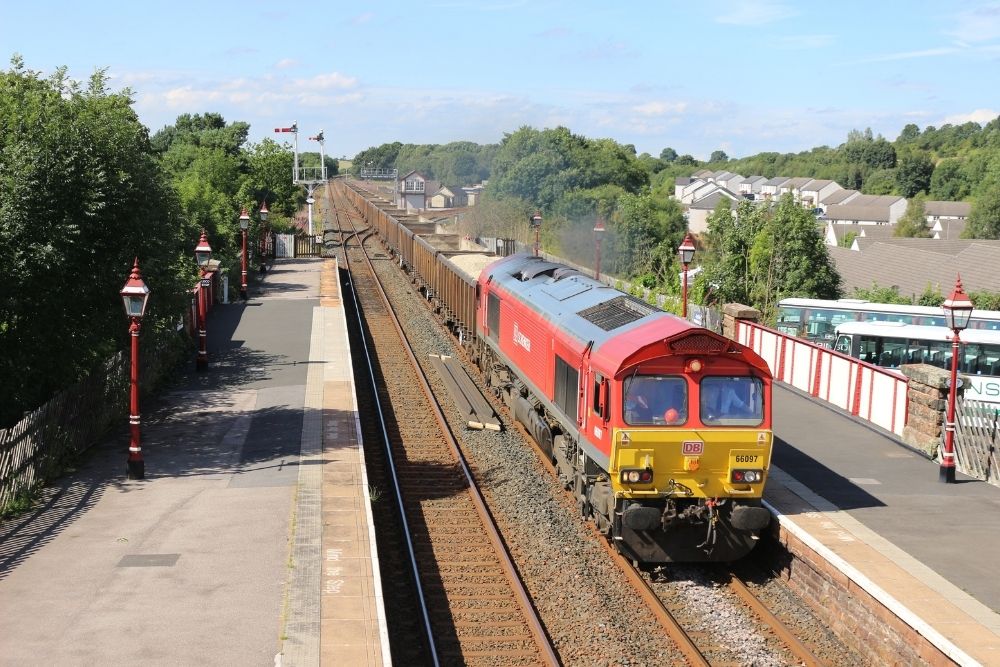
Shippers are grappling with disruptions caused by attacks on the Red Sea, a crucial ocean route, prompting them to seek alternative ways to transport goods from China to Europe. Air cargo volumes on major routes, such as the one between Vietnam and Europe, have surged, recording a 65% increase…
China opens door to trade de-escalation with targeted U.S. tariff exemptions
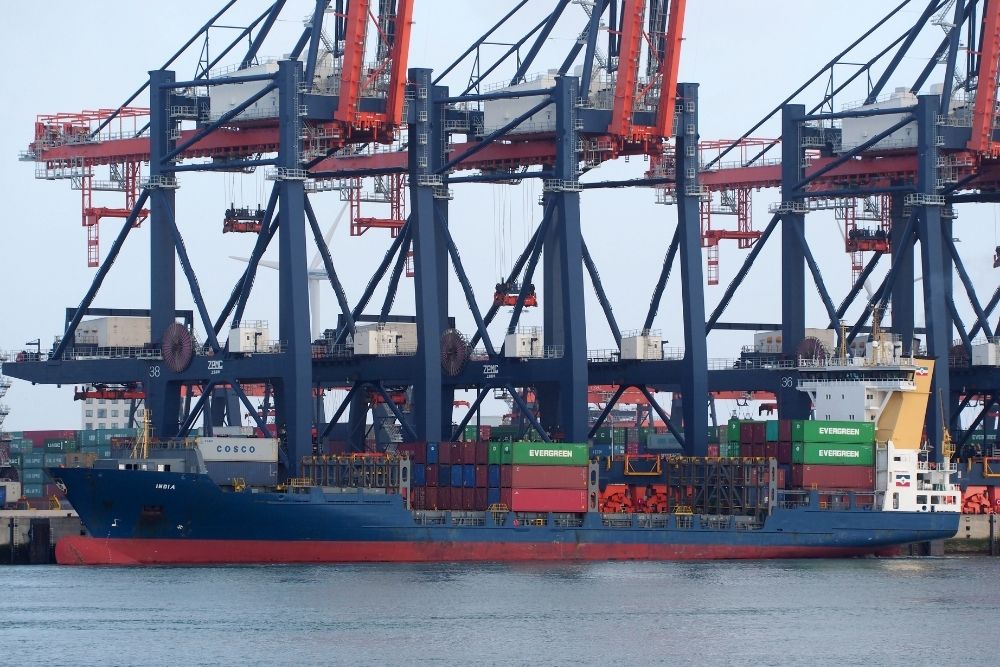
China’s move to quietly exempt select U.S. imports from its steep 125% retaliatory tariffs marks a significant turning point in the escalating trade war, offering the first concrete sign that Beijing is willing to consider de-escalation — but only on its own terms.
China’s Ministry of Commerce has begun soliciting lists of critical goods from companies — including U.S. and European multinationals — that are currently subject to tariffs but lack viable alternative suppliers. While no formal announcement has been made, several firms report that exemptions are already being granted in sectors such as pharmaceuticals and aerospace.
Equinor to invest $2 billion in new North Sea oil and gas project
Norwegian energy major Equinor, alongside partners Vår Energi and Inpex Idemitsu Norge, announced plans on Thursday to invest more than 21 billion Norwegian crowns ($2.08 billion) in developing the Fram South oil and gas field in the North Sea. The field, part of Norway’s broader offshore hydrocarbon strategy, is expected to commence production by the end of 2029.
Fram South will be connected to Equinor’s Troll C platform, a well-established hub in the North Sea, allowing for cost-efficient tie-in and transportation of oil and gas to shore. Equinor, which will operate the field, holds a 45% stake, while Vår Energi owns 40% and Inpex Idemitsu holds the remaining 15%.