
Tesla’s superchargers becoming industry standard as more automakers adopting them
- August 21, 2023
- Posted by: Quatro Strategies
- Categories: EVs & Battery Technology, Sanctions & Regulation, United States
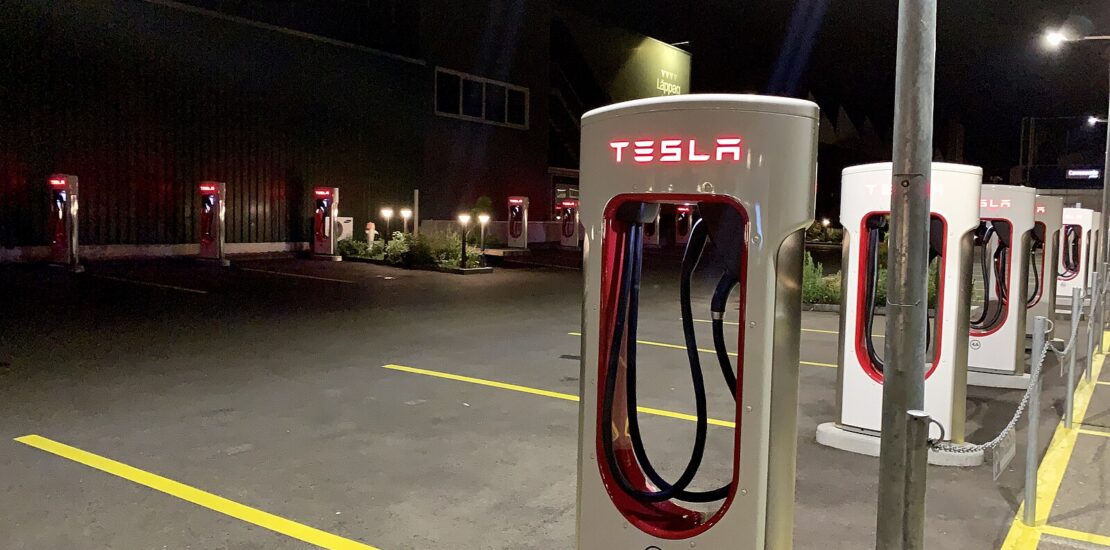
An increasing number of automakers are partnering with Tesla to utilize its electric vehicle (EV) charging infrastructure across the United States. This trend is moving Tesla’s superchargers closer to becoming the industry standard for charging EVs.
In Texas, a plan has been approved that mandates EV charging companies to incorporate Tesla’s charging plug in their networks if they want to be eligible for federal funds related to electric vehicle infrastructure.
Tesla’s North American Charging Standard is gaining prominence due to its wide availability and reliability compared to competing charging networks. This comes in contrast to the Combined Charging System (CCS), which is supported by other automakers such as Volkswagen and Hyundai. Tesla’s robust network and standardized charging system offer convenience and compatibility to a growing number of electric vehicle users.
This move signifies a broader industry shift towards collaboration and standardization in electric vehicle charging infrastructure, making it more convenient and accessible for EV owners across different car brands.
Since May of this year, eight automakers, including Ford, General Motors, Mercedes-Benz, Volvo and Nissan; and eight EV charger manufacturers have announced the adoption of Tesla superchargers.
Meanwhile, four U.S. states have either mandated automakers to adopt Tesla standard or plan to if they want to benefit from federal funds. Texas and Kentucky have already approved plans on that end, while Washington state and Florida are planning to.
Interested in learning more?
Sign up for Top Insights Today

Top Insights Today delivers the latest insights straight to your inbox.
You will get daily industry insights on
Oil & Gas, Rare Earths & Commodities, Mining & Metals, EVs & Battery Technology, ESG & Renewable Energy, AI & Semiconductors, Aerospace & Defense, Sanctions & Regulation, Business & Politics.
Read more insights
Trump’s trade offensive leaves EU searching for a response
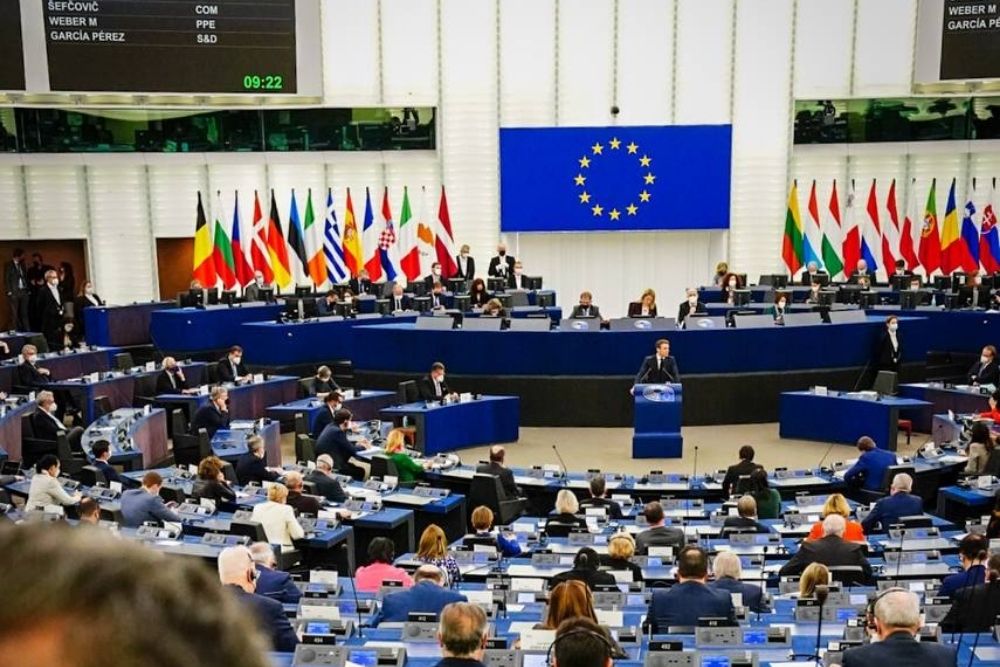
The European Union is scrambling to navigate an increasingly volatile trade relationship with the United States under President Donald Trump, as top officials struggle to decipher his true objectives. EU’s most seasoned trade negotiators have dealt with high-stakes battles from Brexit to global trade agreements. Yet, when it comes to Trump’s trade policy, they admit the biggest challenge is uncertainty, which makes it difficult to craft an EU response when the U.S. administration’s goals keep shifting.
European leaders had initially hoped to contain a brewing trade war with symbolic concessions, much like they did during Trump’s first term. But this time, Washington has shown little interest in dealing with the European Commission, the body responsible for EU trade policy. Instead, the Trump administration has rapidly escalated tensions, imposing tariffs on steel and aluminum, threatening a 200% tariff on European wine and spirits, and promising more tariffs in April.
US, UK, Australia in AUKUS expansion talks with Japan designated as key partner
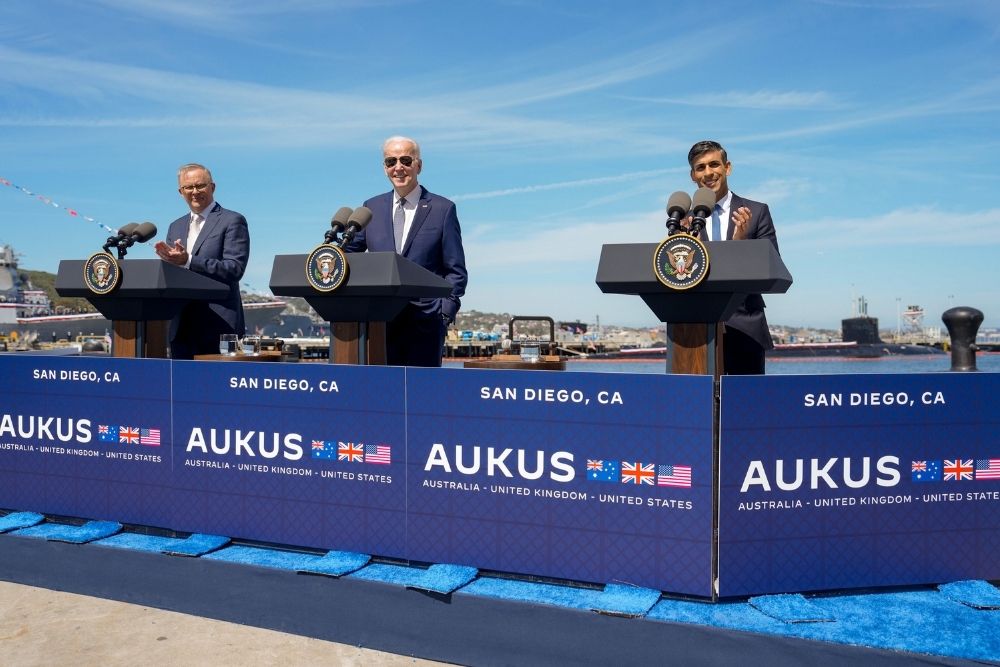
The United States, Britain, and Australia are initiating discussions to expand their AUKUS security pact by bringing new members into the fold, with a particular emphasis on involving Japan as a deterrent against China. These talks, set to begin on Monday, will focus on “Pillar Two” of the pact, which involves…
Trump is recasting power-sector regulation around energy abundance
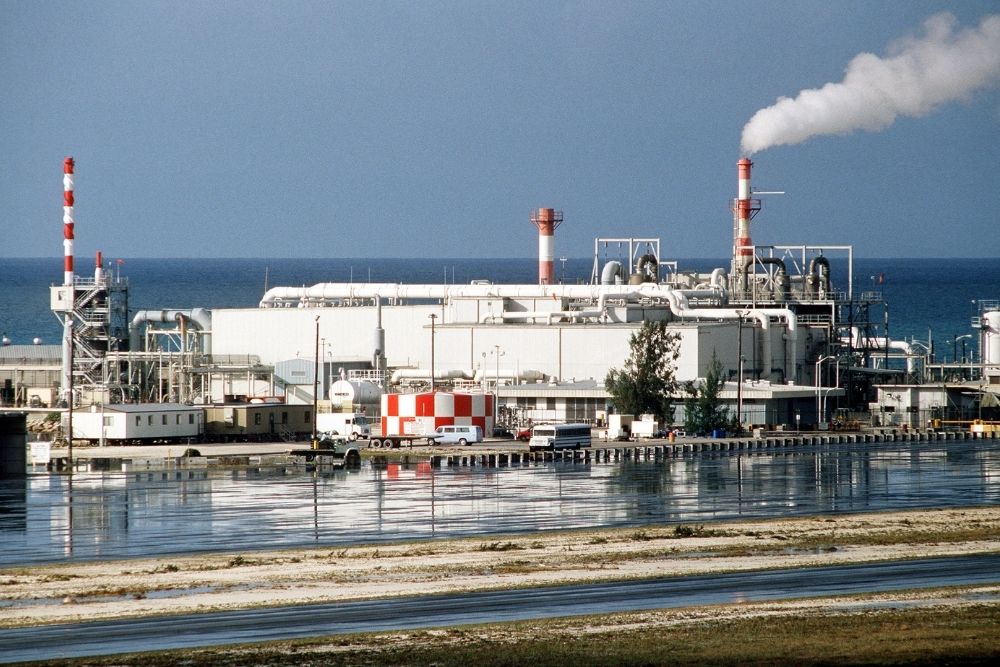
The expected repeal of carbon pollution standards for coal- and gas-fired power plants would mark one of the most important environmental rollbacks of Donald Trump’s second administration. The move is not only about power-plant regulation. It is a broader statement about the administration’s energy strategy, its view of industrial competitiveness and its willingness to dismantle the legal architecture of U.S. climate policy.
The rules targeted by the Environmental Protection Agency were adopted under former President Joe Biden as part of a wider effort to reduce carbon dioxide, mercury and other air pollutants from the electricity sector. The carbon rules alone were expected to reduce greenhouse gas emissions by about 1 billion metric tons by 2047. Repealing them would therefore weaken one of the central pillars of the previous administration’s climate agenda.