
Tesla’s superchargers becoming industry standard as more automakers adopting them
- August 21, 2023
- Posted by: Quatro Strategies
- Categories: EVs & Battery Technology, Sanctions & Regulation, United States
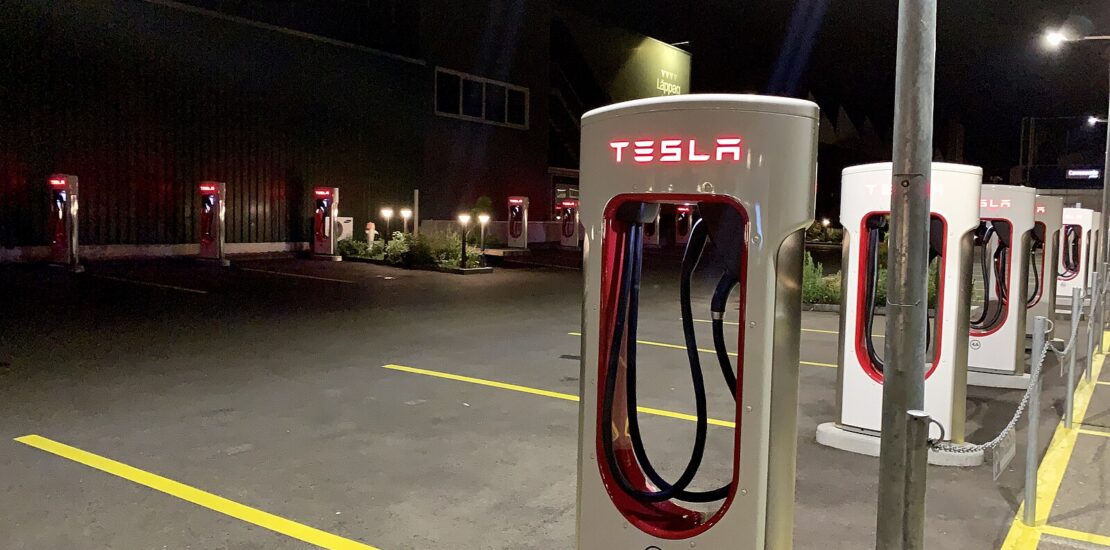
An increasing number of automakers are partnering with Tesla to utilize its electric vehicle (EV) charging infrastructure across the United States. This trend is moving Tesla’s superchargers closer to becoming the industry standard for charging EVs.
In Texas, a plan has been approved that mandates EV charging companies to incorporate Tesla’s charging plug in their networks if they want to be eligible for federal funds related to electric vehicle infrastructure.
Tesla’s North American Charging Standard is gaining prominence due to its wide availability and reliability compared to competing charging networks. This comes in contrast to the Combined Charging System (CCS), which is supported by other automakers such as Volkswagen and Hyundai. Tesla’s robust network and standardized charging system offer convenience and compatibility to a growing number of electric vehicle users.
This move signifies a broader industry shift towards collaboration and standardization in electric vehicle charging infrastructure, making it more convenient and accessible for EV owners across different car brands.
Since May of this year, eight automakers, including Ford, General Motors, Mercedes-Benz, Volvo and Nissan; and eight EV charger manufacturers have announced the adoption of Tesla superchargers.
Meanwhile, four U.S. states have either mandated automakers to adopt Tesla standard or plan to if they want to benefit from federal funds. Texas and Kentucky have already approved plans on that end, while Washington state and Florida are planning to.
Interested in learning more?
Sign up for Top Insights Today

Top Insights Today delivers the latest insights straight to your inbox.
You will get daily industry insights on
Oil & Gas, Rare Earths & Commodities, Mining & Metals, EVs & Battery Technology, ESG & Renewable Energy, AI & Semiconductors, Aerospace & Defense, Sanctions & Regulation, Business & Politics.
Read more insights
Trump freezes New York offshore wind project, spooking $65 billion market
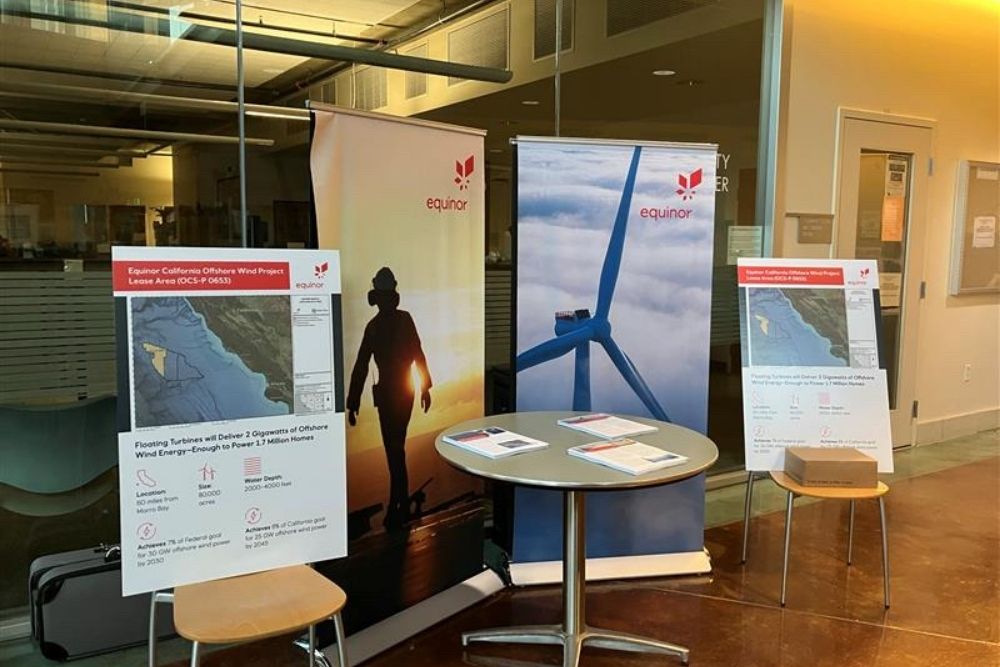
The Trump administration’s abrupt halt of Equinor’s fully permitted Empire Wind 1 offshore wind project off the coast of New York has jolted the clean energy sector and sparked alarm across the broader investment community. While President Donald Trump campaigned on ending offshore wind development—citing environmental concerns and costs—Wednesday’s move to suspend active construction work on a long-approved, billion-dollar project is being viewed as a deeply unsettling escalation.
On his first day back in office, Trump had already issued an executive order pausing new offshore wind lease sales in federal waters. But Interior Secretary Doug Burgum’s decision to order a halt to the Empire Wind 1 project goes much further. Citing alleged flaws in the project’s environmental review process, Burgum directed Equinor to stop all construction activity despite its permit having cleared all federal legal and regulatory hurdles.

Zinc prices plunging on the back of surplus production
Zinc, one of the London Metal Exchange’s (LME) base metals, has been the second weakest performer in this category so far this year, with its price down by 18% since the beginning of the year. The LME three-month zinc is currently trading at around $2,450 per tonne. This underperformance is…
Germany eases gas storage costs for foreign consumers amid energy price surge
Germany’s lower house of parliament has passed a change to its energy law that will waive the domestic market gas storage fee for foreign consumers from January 1, 2025. This change, aimed at enhancing European energy solidarity, will relieve consumers from paying a costly price element at border points and virtual trading hubs. The law, which received…