
Exxon and partners to spend $12.93 billion for sixth Guyana offshore oil project
- August 22, 2023
- Posted by: Quatro Strategies
- Categories: Americas, Oil & Gas
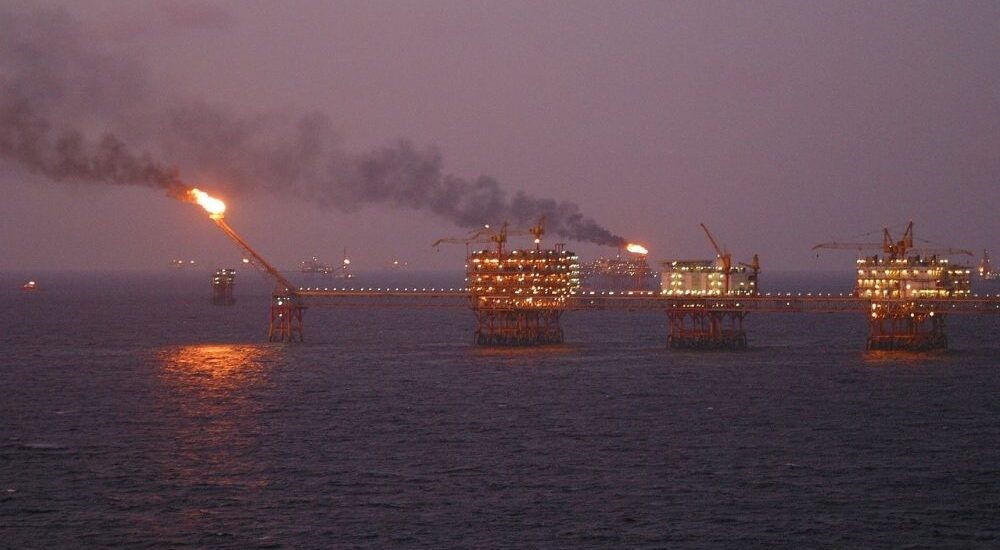
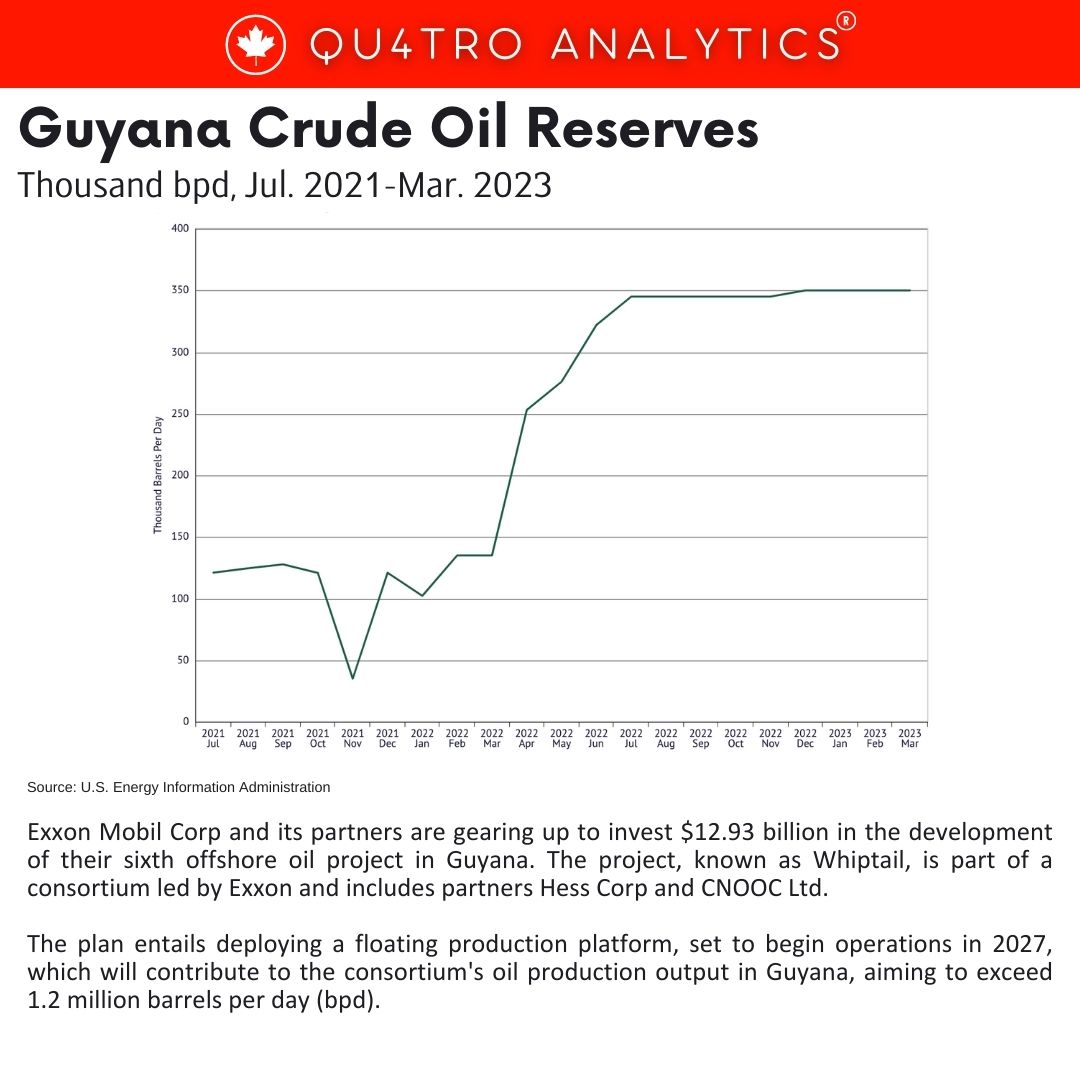
Exxon Mobil Corp and its partners are gearing up to invest $12.93 billion in the development of their sixth offshore oil project in Guyana. The project, known as Whiptail, is part of a consortium led by Exxon and includes partners Hess Corp and CNOOC Ltd. The plan entails deploying a floating production platform, set to begin operations in 2027, which will contribute to the consortium’s oil production output in Guyana, aiming to exceed 1.2 million barrels per day (bpd).
Guyana has recently emerged as a major player in the global oil industry with substantial discoveries totaling over 11 billion barrels of oil and gas. Exxon and its partners have already achieved an output of 400,000 bpd from two vessels in the region. The new Whiptail project, following the model of the Uaru project, is anticipated to add to this production capacity, contributing significantly to the country’s growing oil revenue.
 Exxon, Hess, and CNOOC have committed substantial financial resources to the development of Guyana’s offshore oil sector. The investments have also led to substantial direct revenue for the country, totaling $2.8 billion, and the creation of job opportunities for thousands of Guyanese citizens.
Whiptail’s plan does not involve the production of natural gas due to concerns that reducing injected gas could adversely impact oil recovery. The consortium plans to drill around 72 wells and commence development drilling by late 2024, with subsea component installation beginning in the second half of 2025 or early 2026. The project is expected to generate employment opportunities for up to 540 people during the drilling and installation phase, and around 100 to 180 people during the production operations phase.
Interested in learning more?
Sign up for Top Insights Today

Top Insights Today delivers the latest insights straight to your inbox.
You will get daily industry insights on
Oil & Gas, Rare Earths & Commodities, Mining & Metals, EVs & Battery Technology, ESG & Renewable Energy, AI & Semiconductors, Aerospace & Defense, Sanctions & Regulation, Business & Politics.
Read more insights
China turns grid-scale storage into next strategic export weapon
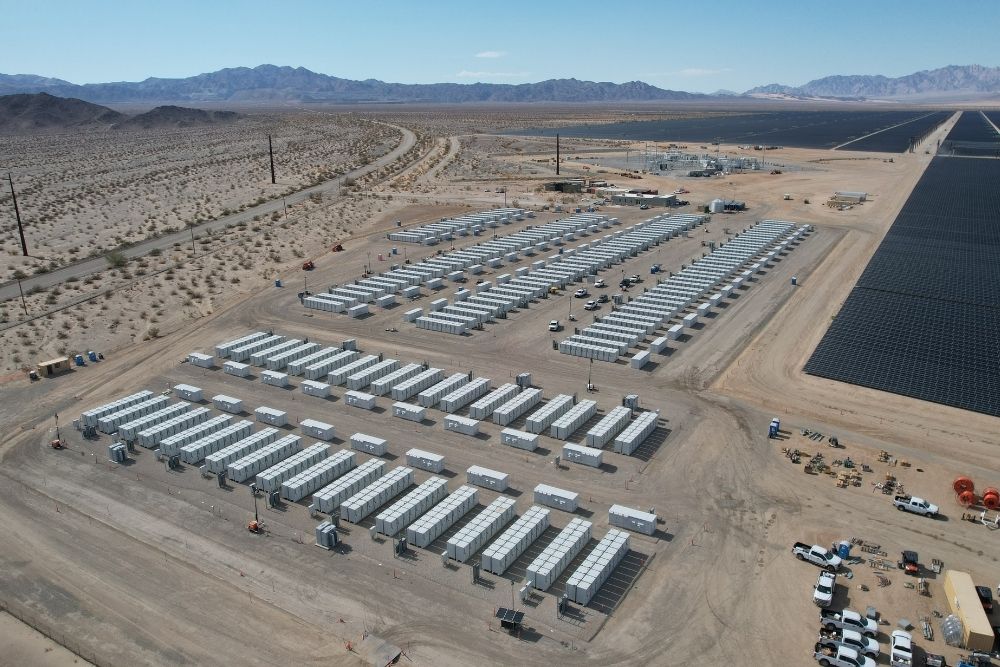
China’s battery storage manufacturers are benefiting from a rare alignment of policy reform at home and accelerating demand abroad. Beijing’s ongoing overhaul of the power market is making grid-scale storage materially more profitable by shifting parts of the system away from administratively set revenues toward more market-based mechanisms, which in turn increases the value of batteries that can arbitrage price swings and provide balancing services when wind and solar output fluctuates.
The result is that storage is moving from being a politically encouraged add-on to being an asset class with improving unit economics, just as the rest of the world is discovering that intermittent renewables and fast-growing data-center loads require far more firming capacity than previously assumed.
Philippines aiming to transform into a manufacturing and logistics powerhouse
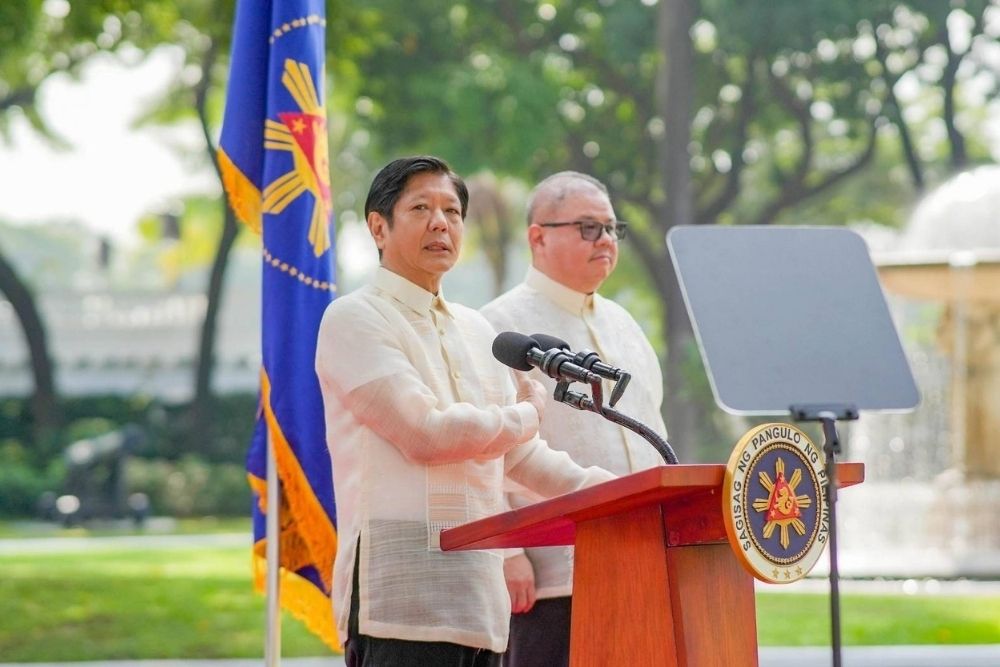
President Ferdinand Marcos Jr. of the Philippines is positioning the country to become a key manufacturing and logistics hub in Asia, capitalizing on strengthened ties with Washington. The recent pledge from the U.S. to support investments in infrastructure, clean energy, and semiconductor supply chains in the Philippines…
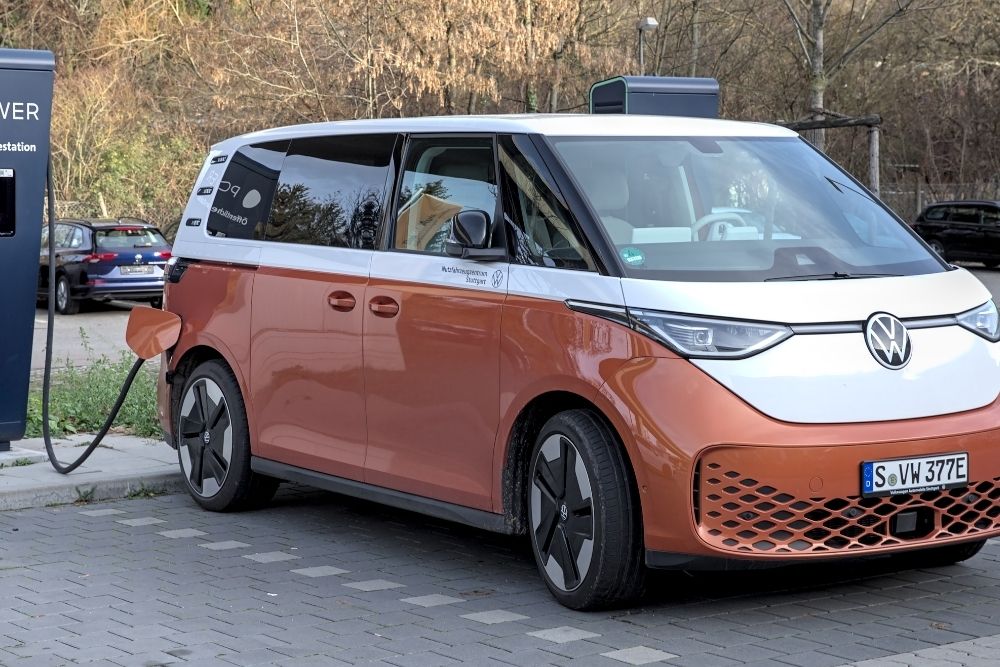
Volkswagen announces $1.8 billion investment plan for electrification in Brazil
Volkswagen AG has announced plans to invest 9 billion reais ($1.8 billion) in Brazil between 2026 and 2028 to electrify its cars in the country. The investment will focus on a new hybrid platform and the introduction of fresh models. Volkswagen do Brasil CEO Ciro Possobom highlighted that the new…