
British chipmaker Arm set for IPO despite industry woes
- August 22, 2023
- Posted by: Quatro Strategies
- Categories: AI & Semiconductors, Asia Pacific, Business & Politics, Europe
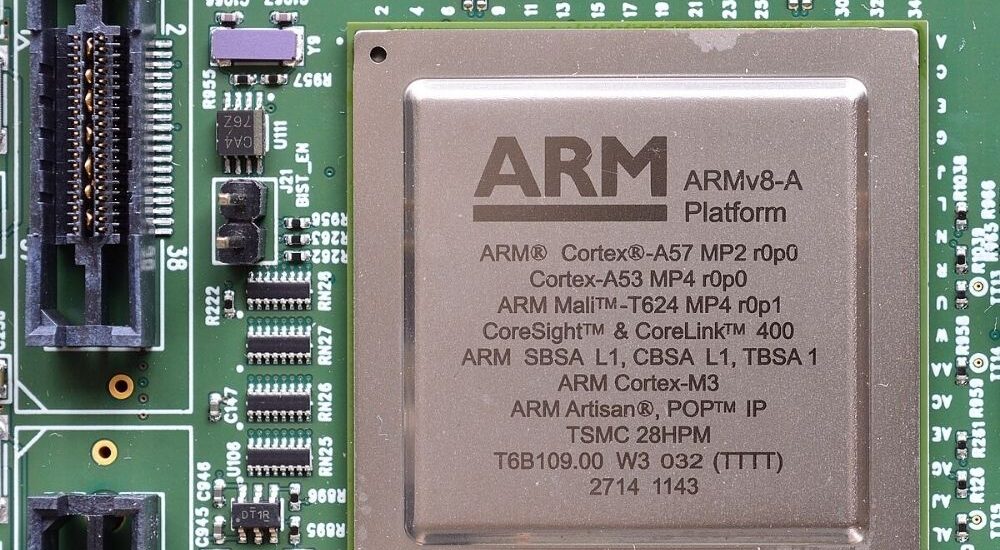
Arm Holdings, a leading chip designer, reported a 1% fall in annual revenue due to a slowdown in smartphone sales. The company’s annual sales for the year ended March 31 were $2.68 billion, primarily impacted by a decline in global smartphone shipments. Arm’s stock market launch is expected to be the largest IPO of the year and could revive the IPO market, which has seen volatility in recent times. Despite its reliance on smartphones for royalties, Arm’s relatively modest decline in revenue suggests that its per-chip rates have increased.
Arm Holdings’ chip technology powers most smartphones, including iPhones. The company did not reveal the number of shares it plans to sell or the valuation it is seeking for the IPO. SoftBank, Arm’s parent company, plans to sell about 10% of Arm’s shares in the IPO and is aiming for a valuation of between $60 billion and $70 billion for the chip designer.
Arm’s technology is widely used in smartphones, laptops, and servers, and it has also gained a 10% market share in cloud computing. The company’s chip designs are dominant in the smartphone industry, and it’s looking to expand into other segments such as cloud computing.
The IPO will be a boost to the market, and Arm is expected to list on the Nasdaq under the ticker symbol ‘ARM’. Barclays, Goldman Sachs, JPMorgan Chase, and Mizuho Financial Group are the lead underwriters for the offering. Arm Holdings is known for its chip design technology that is used in various electronic devices and has been a key player in the tech industry for several years.
Interested in learning more?
Sign up for Top Insights Today

Top Insights Today delivers the latest insights straight to your inbox.
You will get daily industry insights on
Oil & Gas, Rare Earths & Commodities, Mining & Metals, EVs & Battery Technology, ESG & Renewable Energy, AI & Semiconductors, Aerospace & Defense, Sanctions & Regulation, Business & Politics.
Read more insights

India buys UAE oil in rupees for the first time
In a notable development, Indian Oil Corp. (IOC) has made its first-ever purchase of oil from the Abu Dhabi National Oil Company (ADNOC) and settled the transaction using Indian rupees (INR) instead of the U.S. dollar. The purchase involved one million barrels of crude from the UAE, and the payment was conducted in rupees. This move is part of India’s effort to promote the rupee as a trade instrument in international markets and reduce its dependency on the U.S. dollar.
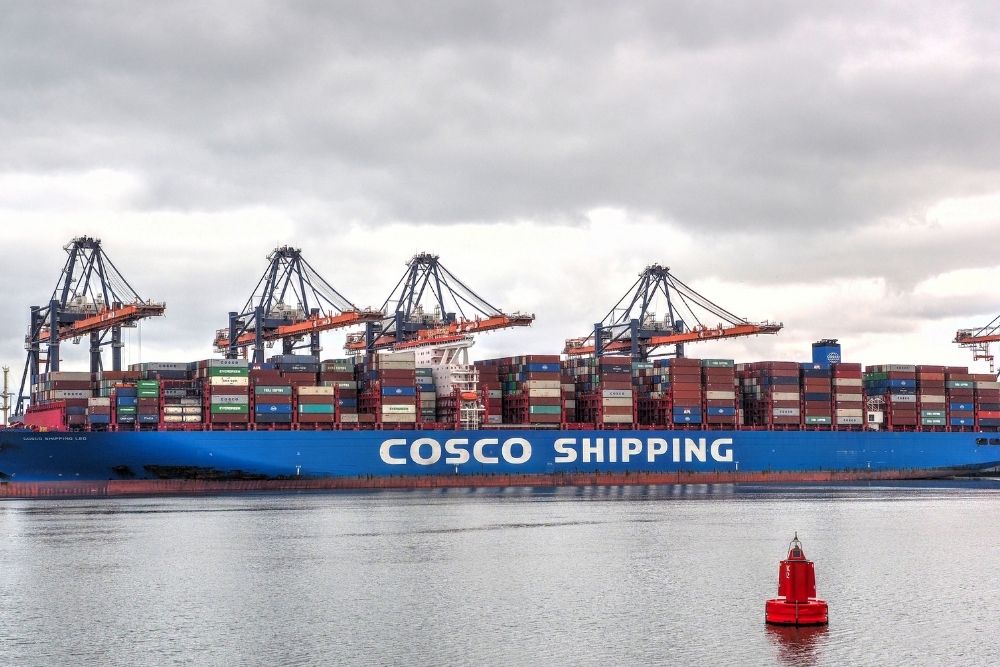
COSCO and MSC turn Peru’s coast into a new Pacific battleground
Peru’s Pacific gateway is being rewired in real time. After China’s COSCO opened its $1.3 billion deep-water port at Chancay, personally inaugurated by Xi Jinping, global carriers are racing to compress the China-Peru sea lane from a six-week milk run to a three-week express.
COSCO launched a weekly direct Chancay-Shanghai service; now MSC, the world’s largest container line, is countering with a weekly Ningbo-Callao loop using a 14-ship string that hits Peru in roughly 21 days. For decades, most north Asia-to-Peru cargo detoured through larger transshipment hubs like Mexico, Panama, or Colombia, adding time, cost, and damage risk. Direct services erase that detour.
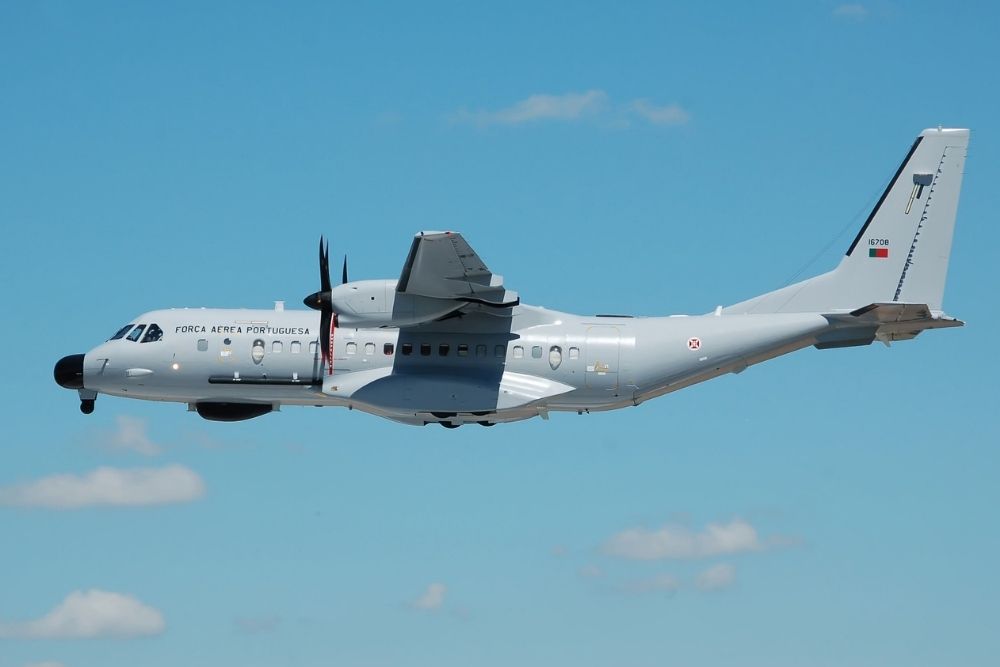
India to inaugurate first private military aircraft plant with Airbus-TATA joint venture
India is set to open its first private military aircraft manufacturing facility on Monday, marking a significant stride in its efforts to bolster local defense production and reduce dependence on imports. The plant, located in Gujarat, is a joint venture between Airbus SE and TATA Advanced Systems and will produce C-295 transport aircraft…