
China’s Tsingshan starts commercial production at Indonesia nickel refinery
- August 22, 2023
- Posted by: Quatro Strategies
- Categories: Asia Pacific, China, EVs & Battery Technology, Mining & Metals
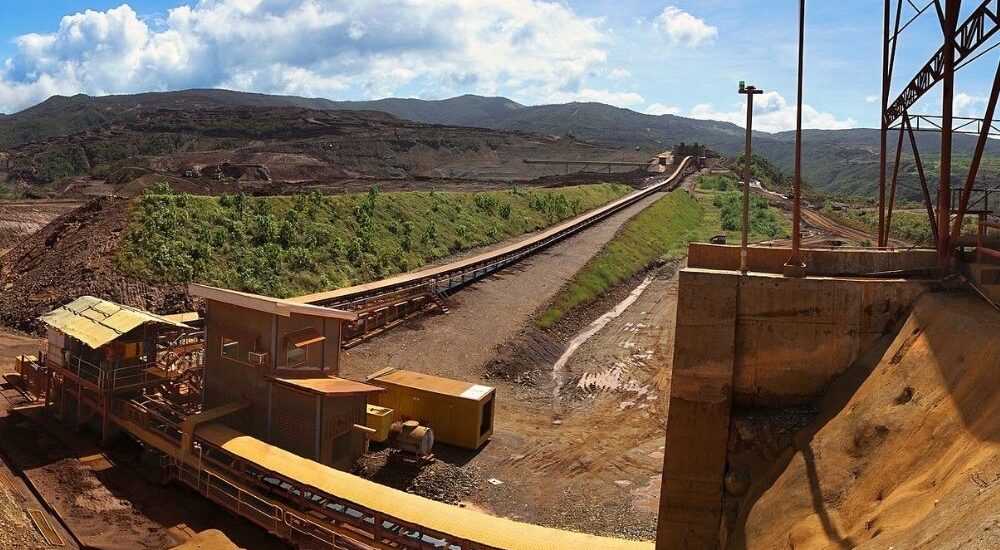
Chinese nickel producer Tsingshan Group has reportedly commenced commercial production of refined nickel at its plant in Morowali, Indonesia. The facility, which boasts a planned annual capacity of 50,000 metric tons, is said to have started commercial production last week, according to sources familiar with the matter. However, the sources chose to remain anonymous as they are not authorized to speak to the media.
Although details regarding the current capacity and the timeline to achieve the full 50,000-ton capacity remain unclear, the sources noted that the plant is currently producing nickel plate.
Notably, Tsingshan Group is reportedly considering seeking approval to list the nickel produced at the Indonesian plant as a deliverable brand on the London Metal Exchange (LME). This process generally entails demonstrating a minimum of three months of stable production.
Such a move would align with the efforts of other Chinese nickel producers, including Zhejiang Huayou Cobalt’s subsidiary and Jingmen Gem Co, which have also applied for their nickel brands to be listed on the LME.
The London Metal Exchange has taken steps to expedite listing procedures for nickel brands after experiencing market turbulence in 2022. In March 2022, LME nickel prices doubled within hours, leading to chaotic trading and prompting the LME to halt its nickel market for the first time since 1988. All nickel trades conducted on that day were canceled. As a response, LME made changes to its listing process to boost nickel trade volumes and restore market stability.
Interested in learning more?
Sign up for Top Insights Today

Top Insights Today delivers the latest insights straight to your inbox.
You will get daily industry insights on
Oil & Gas, Rare Earths & Commodities, Mining & Metals, EVs & Battery Technology, ESG & Renewable Energy, AI & Semiconductors, Aerospace & Defense, Sanctions & Regulation, Business & Politics.
Read more insights
India’s small exporters struggle amid Red Sea crisis
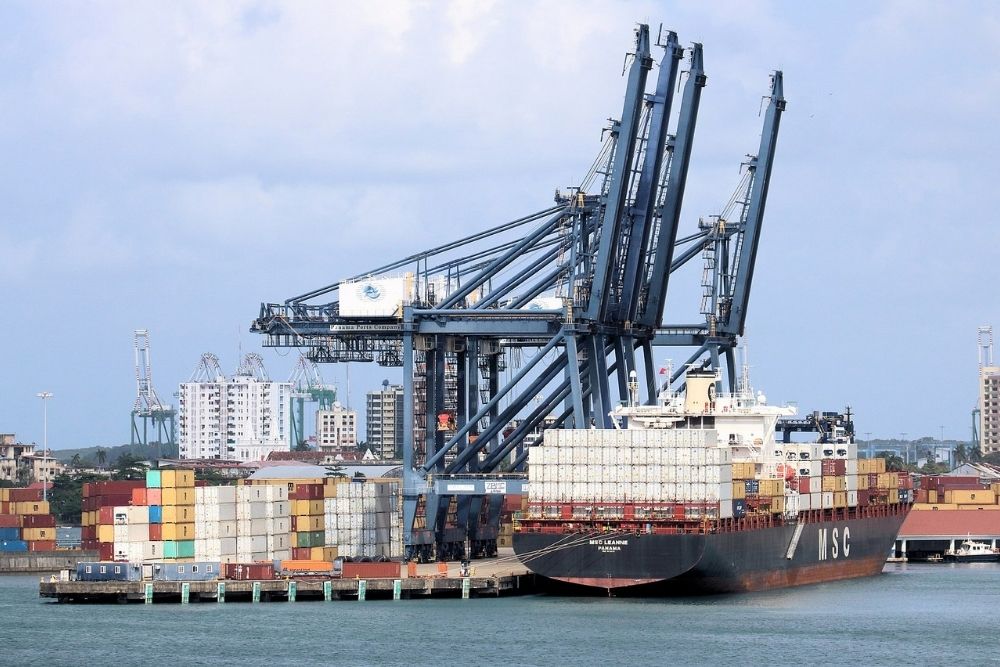
India’s small exporters are facing significant challenges due to the ongoing Red Sea crisis, which has led to increased shipping costs and delays. SMEs, which ships machinery tools, industrial castings, and railway shed materials, are losing major orders to European competitors who does not face…

Trump administration shifts to hardier tariff tools after Supreme Court ruling
The Trump administration’s reported plan to open a new wave of Section 232 national security tariff actions across additional industries shows how quickly U.S. trade policy is being reassembled after the Supreme Court’s ruling against Trump’s emergency-based tariffs.
The central point is not just that the White House is seeking replacement tariffs, but that it is shifting more of the tariff architecture onto legal authorities that are slower to deploy but more durable once in place.
OPEC+ eyes extending major oil production cuts into 2025 to stabilize market
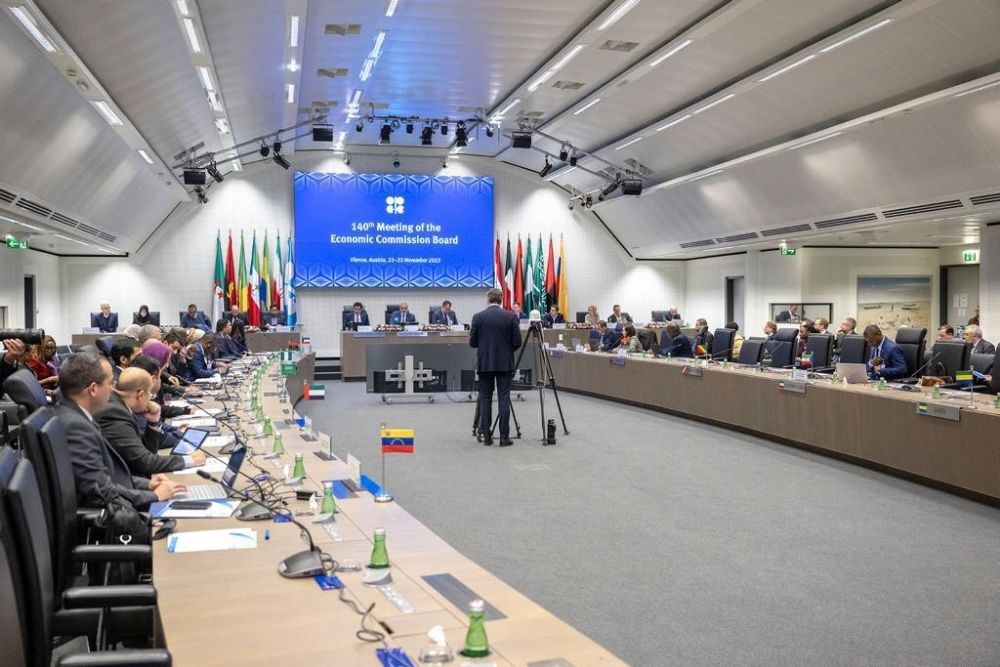
OPEC+ is working on a deal to extend its significant oil production cuts into 2025, as part of a broader strategy to stabilize the oil market amid rising output from non-OPEC members and concerns about global demand. The current cuts, amounting to a total of 5.86 million barrels per day (bpd), represent about 5.7% of…