
China’s Tsingshan starts commercial production at Indonesia nickel refinery
- August 22, 2023
- Posted by: Quatro Strategies
- Categories: Asia Pacific, China, EVs & Battery Technology, Mining & Metals
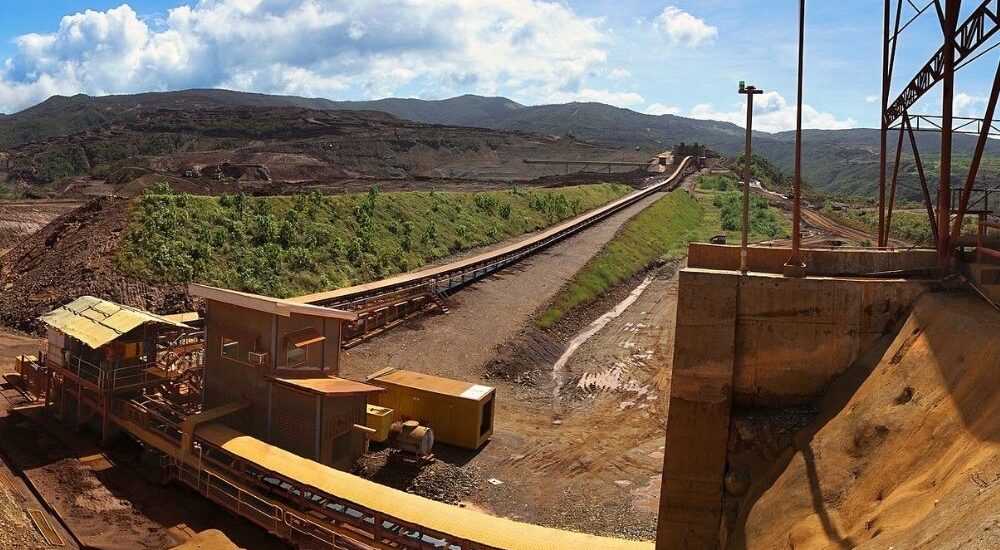
Chinese nickel producer Tsingshan Group has reportedly commenced commercial production of refined nickel at its plant in Morowali, Indonesia. The facility, which boasts a planned annual capacity of 50,000 metric tons, is said to have started commercial production last week, according to sources familiar with the matter. However, the sources chose to remain anonymous as they are not authorized to speak to the media.
Although details regarding the current capacity and the timeline to achieve the full 50,000-ton capacity remain unclear, the sources noted that the plant is currently producing nickel plate.
Notably, Tsingshan Group is reportedly considering seeking approval to list the nickel produced at the Indonesian plant as a deliverable brand on the London Metal Exchange (LME). This process generally entails demonstrating a minimum of three months of stable production.
Such a move would align with the efforts of other Chinese nickel producers, including Zhejiang Huayou Cobalt’s subsidiary and Jingmen Gem Co, which have also applied for their nickel brands to be listed on the LME.
The London Metal Exchange has taken steps to expedite listing procedures for nickel brands after experiencing market turbulence in 2022. In March 2022, LME nickel prices doubled within hours, leading to chaotic trading and prompting the LME to halt its nickel market for the first time since 1988. All nickel trades conducted on that day were canceled. As a response, LME made changes to its listing process to boost nickel trade volumes and restore market stability.
Interested in learning more?
Sign up for Top Insights Today

Top Insights Today delivers the latest insights straight to your inbox.
You will get daily industry insights on
Oil & Gas, Rare Earths & Commodities, Mining & Metals, EVs & Battery Technology, ESG & Renewable Energy, AI & Semiconductors, Aerospace & Defense, Sanctions & Regulation, Business & Politics.
Read more insights
Australia rethinks refining as war exposes fuel dependence
For three decades Australia treated refining as a business it was content to lose. Ageing plants built in the postwar boom could not compete with the vast, modern complexes rising across Asia, and successive governments accepted the logic of comparative advantage: export the crude and the LNG, import the petrol and diesel, and let the market handle the rest. Eight refineries in 2000 became two.
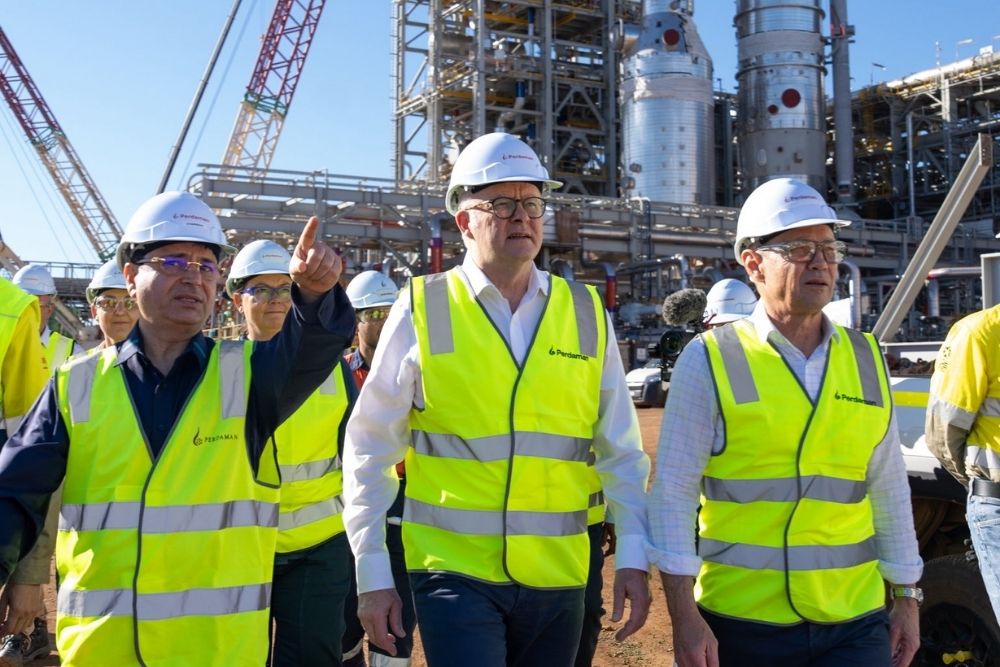
On Tuesday, standing in the Pilbara heat at Karratha, the Prime Minister began the process of reversing that judgement, and the reason was the same one reshaping industrial policy from Stockholm to Washington. A war has demonstrated that supply chains built for efficiency are not built for disruption.
EU to unveil initiative promoting small modular reactors for climate goals
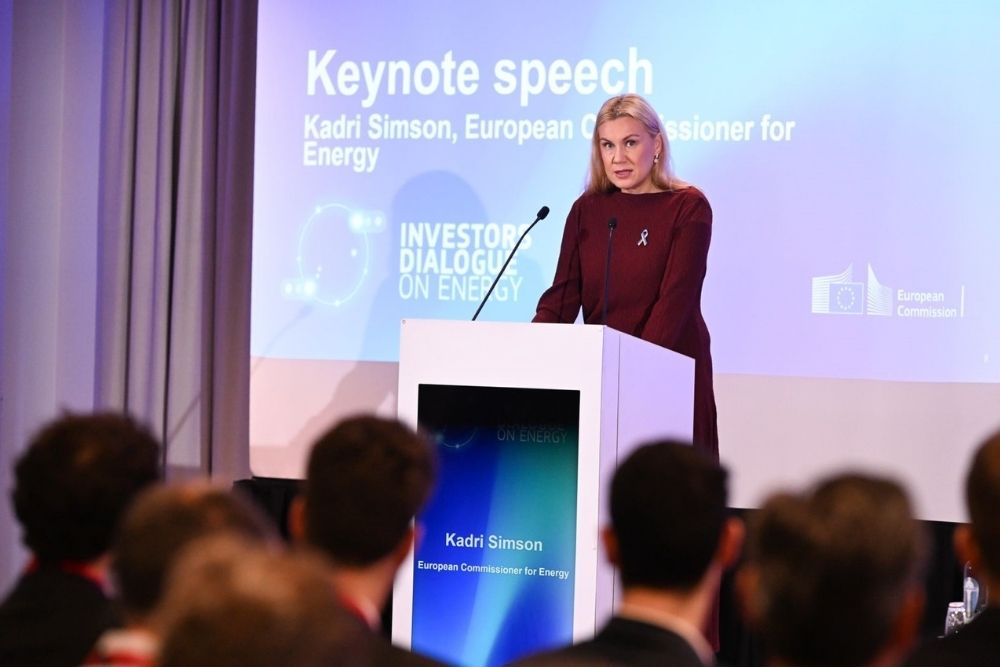
The European Commission is set to unveil a new initiative in February, creating an industrial alliance focused on small modular reactors (SMRs) with the goal of introducing the first SMR projects in Europe by the early 2030s. SMRs represent advanced nuclear reactors with a power capacity of up to 300 MW(e)…
Cheap valuations abroad fuel record shift from U.S. to global equities
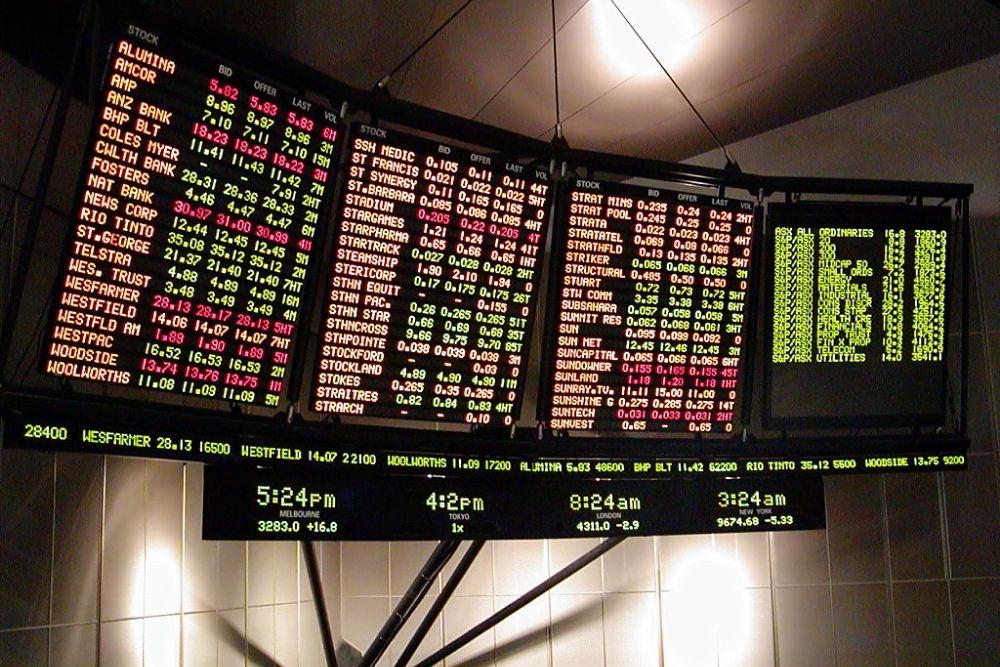
The surge in July inflows into global ex-U.S. equity funds, the strongest in more than four and a half years, marks a significant reallocation of capital away from U.S. markets toward Europe, Asia, and select emerging economies. These funds attracted $13.6 billion during the month, while U.S.-focused equity funds saw $6.3 billion in outflows, their third consecutive month of redemptions.
The scale of this divergence reflects more than just tactical positioning; it suggests that global investors are reassessing U.S. assets against a shifting macroeconomic and geopolitical backdrop.