
India remains main buyer of Russian Urals crude
- September 6, 2023
- Posted by: Quatro Strategies
- Categories: Europe, India, Oil & Gas, Sanctions & Regulation
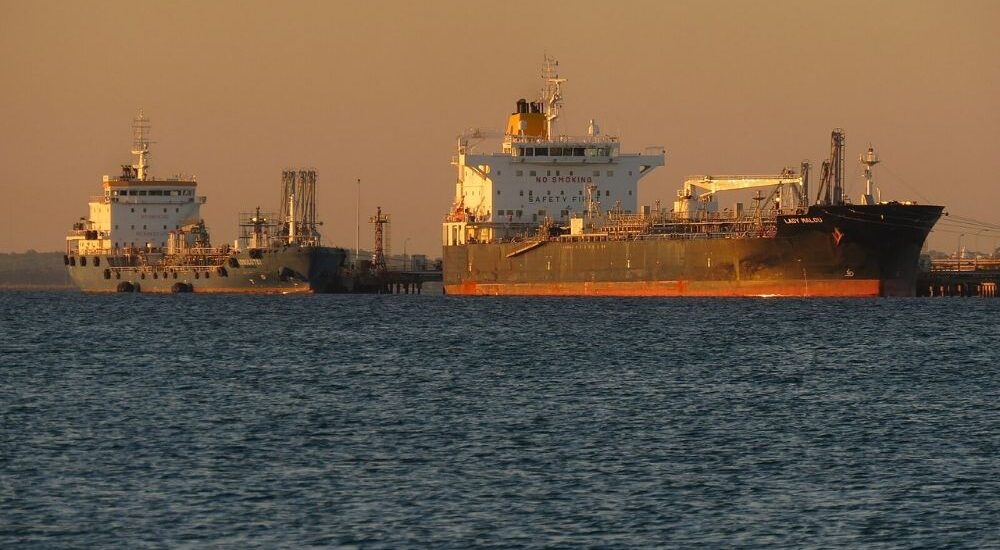
India remained the primary buyer of Russian Urals oil loaded from state ports in August, despite a significant increase in prices for the grade. Traders and data from the London Stock Exchange Group (LSEG) confirmed India’s continued purchase of Russian Urals oil, even as the price differential between Urals and the dated Brent benchmark crude narrowed to a record low on a delivered ex-ship (DES) basis in Indian ports.
The narrowing price gap between Urals and Brent prompted Indian refineries to cut their purchases of Urals oil for September. The discounts for Urals oil loading in August fell to $5 per barrel and below on a DES basis in Indian ports, marking the lowest level since the European Union imposed an embargo on Russian oil.
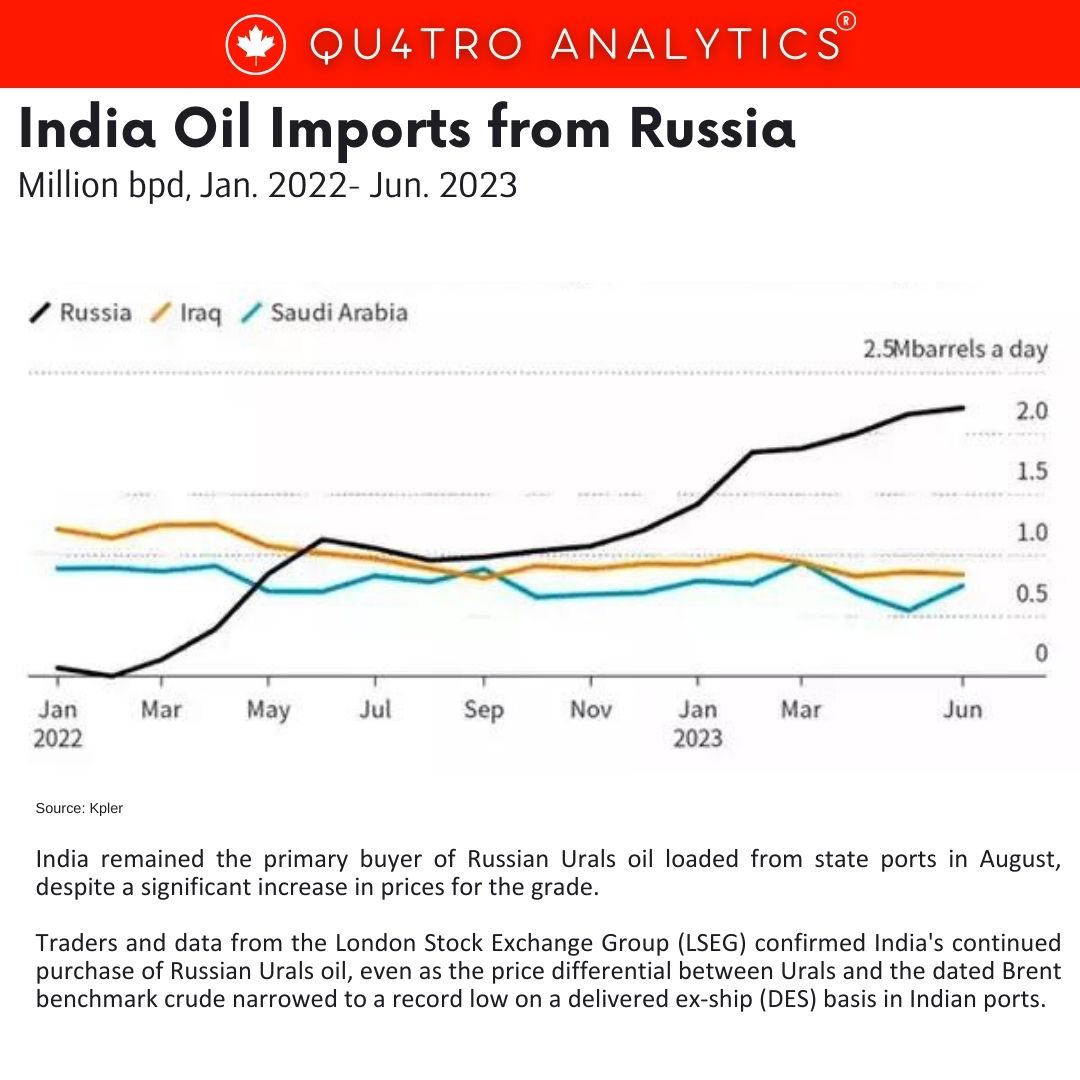 This price increase for Urals was driven by Russia’s decision to reduce oil exports by 500,000 barrels per day (bpd) in August as part of its cooperation with OPEC+ to stabilize oil markets. Russia has committed to reducing oil exports by 300,000 bpd until the end of the year.
Russia’s significant reliance on India as its main oil buyer has raised concerns for Russian oil companies, especially as Russia prepares for increased loadings from Primorsk, Ust-Luga, and Novorossiysk ports in September, coinciding with decreased demand in India due to seasonal maintenance.
In August, Russian Urals oil deliveries to India accounted for about 69% of total shipments from these ports or approximately 74% of shipments of Russian-origin crude oil. This situation is in line with July, indicating India’s continued importance as a destination for Russian Urals oil.
Interested in learning more?
Sign up for Top Insights Today

Top Insights Today delivers the latest insights straight to your inbox.
You will get daily industry insights on
Oil & Gas, Rare Earths & Commodities, Mining & Metals, EVs & Battery Technology, ESG & Renewable Energy, AI & Semiconductors, Aerospace & Defense, Sanctions & Regulation, Business & Politics.
Read more insights
Germany’s Merz floats U.S.-EU car tariff swap after talks with Trump
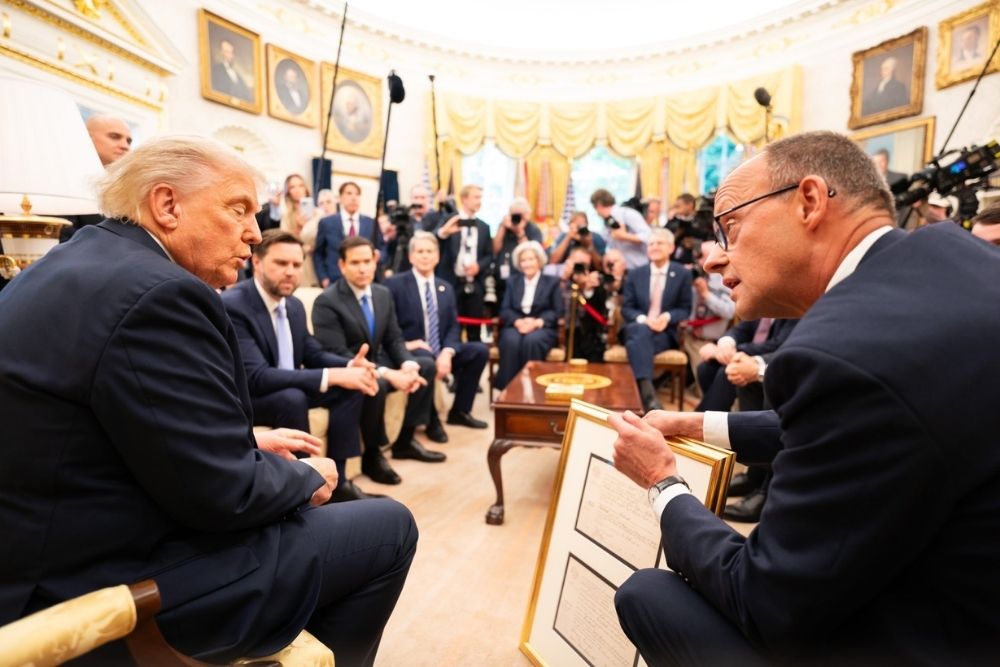
German Chancellor Friedrich Merz said on Friday he would pursue a new bilateral arrangement that could see U.S. cars imported into Europe duty-free in exchange for equivalent tariff waivers on German vehicles shipped to the U.S. The proposal, discussed during Merz’s first official visit to Washington for talks with U.S. President Donald Trump, aims to defuse one of the most contentious fronts in the transatlantic trade relationship.
“We have to see if we can come up with an offset rule or something along those lines,” Merz told an audience in Berlin, describing a concept that would match duty exemptions on a car-for-car basis.
G7 turns critical minerals into an economic-security project
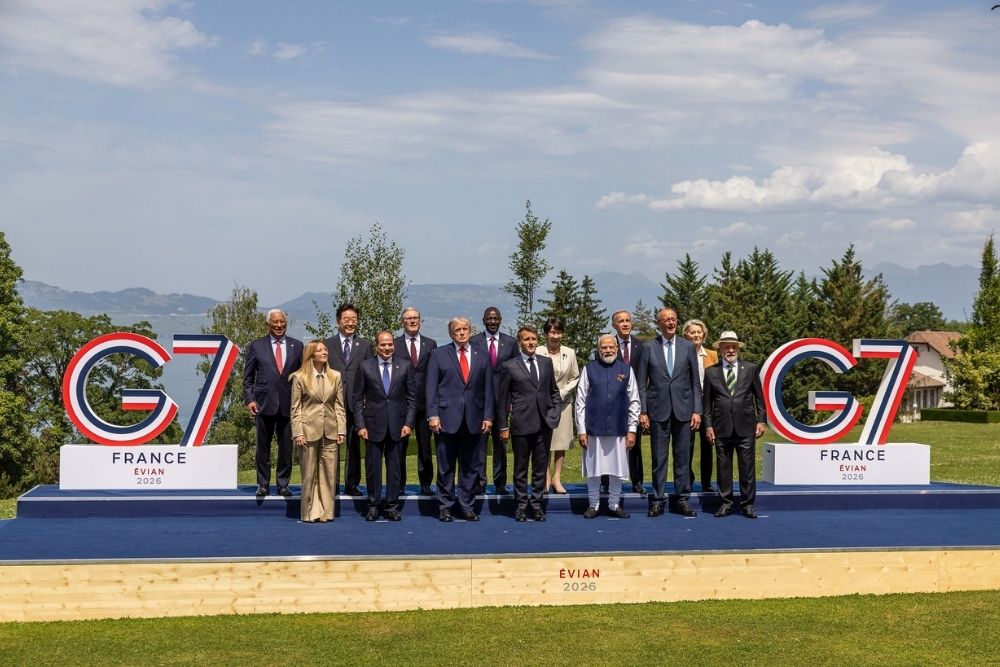
The Group of Seven is trying to turn critical minerals policy into a coordinated economic-security project rather than a set of disconnected national initiatives. At their latest meeting, G7 leaders agreed to deepen cooperation to reduce dependence on China for rare earths, permanent magnets and other strategic materials that sit at the center of defense production, clean energy, advanced electronics and industrial competitiveness.
The plan includes closer alignment on stockpiling, a new minerals platform supported by an expanded role for the International Energy Agency, and possible financial mechanisms to make non-Chinese supply chains commercially viable. The agreement reflects a growing recognition that mineral dependence has become one of the major vulnerabilities in the Western industrial system.
U.S. sanctions Chinese oil terminal in crackdown on Iran’s crude trade
The United States has imposed sanctions on Zhoushan Jinrun Petroleum Transfer Co., marking the fourth Chinese oil terminal penalized in connection with the trade of Iranian crude, as Washington intensifies its crackdown on what it says is a key revenue stream for terrorism-linked activities by Tehran.
According to the U.S. State Department, Zhoushan Jinrun received at least six shipments of Iranian oil, triggering its inclusion in a list of 20 newly sanctioned entities. The company operates a terminal in Zhoushan, an eastern port city that houses some of China’s largest and most strategically important refineries.