
Saudi Arabia to extend 1 million barrel oil cut into October
- August 24, 2023
- Posted by: Quatro Strategies
- Categories: Business & Politics, Middle East, Oil & Gas
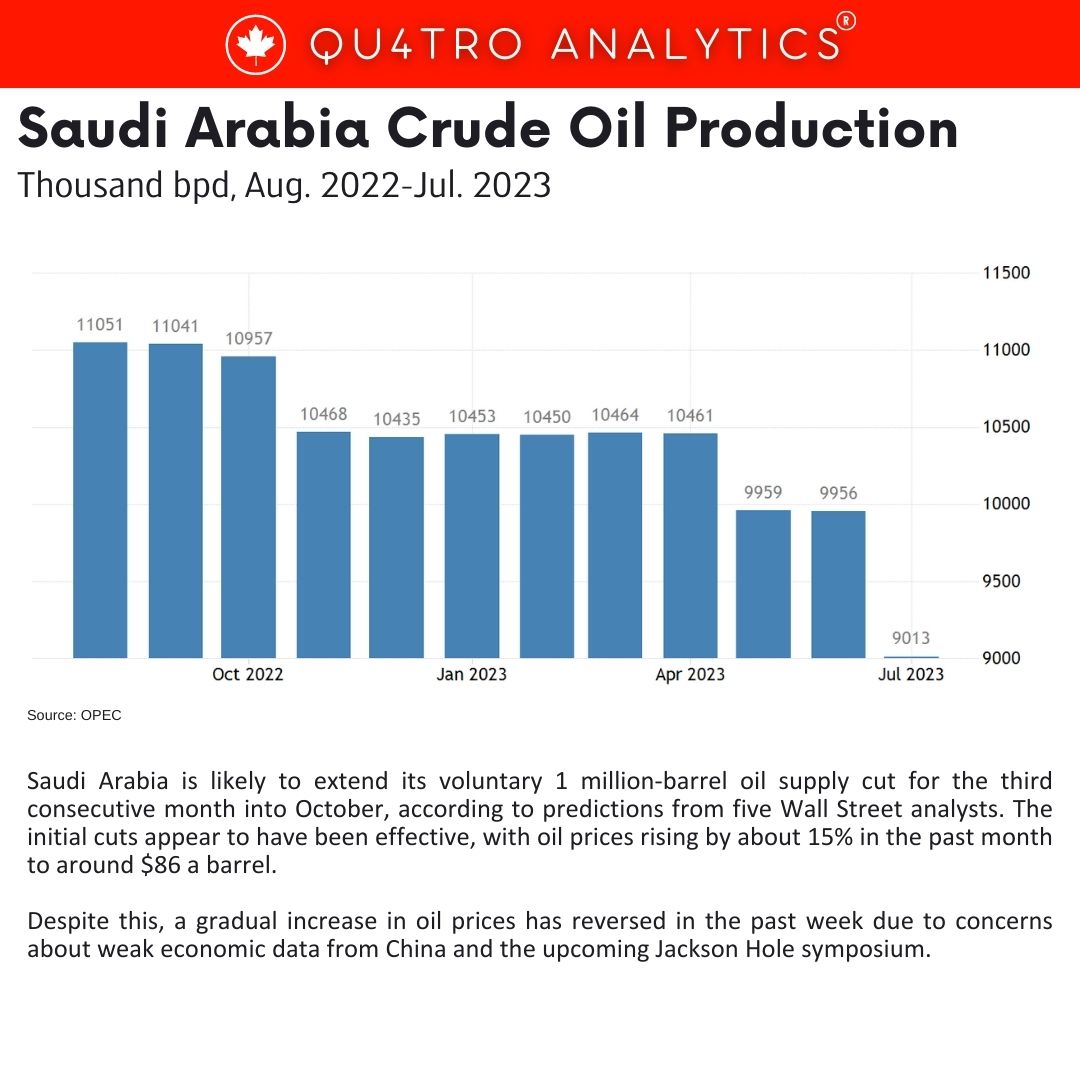
Saudi Arabia is likely to extend its voluntary 1 million-barrel oil supply cut for the third consecutive month into October, according to predictions from five Wall Street analysts. The initial cuts appear to have been effective, with oil prices rising by about 15% in the past month to around $86 a barrel. Despite this, a gradual increase in oil prices has reversed in the past week due to concerns about weak economic data from China and the upcoming Jackson Hole symposium.
The current Brent crude prices of $82.71 are considered too low for Saudi Arabia, as the country needs oil prices at around $100 a barrel to balance its fiscal budget. This provides the country with further incentive to maintain tight supplies in the market. Richard Bronze, an analyst at consultancy Energy Aspects, has stated that Saudi Arabia is likely to extend the supply cut through October. The cautious approach is influenced by the weaker oil market conditions in the first half of the year, and the country will want to see a significant decline in global inventories before considering unwinding the additional cuts.
 Analysts from brokerage PVM Oil and Saxo Bank have also speculated that a potential resumption of oil production from Iraq’s Kurdistan region might lead Saudi Arabia to withhold additional supplies to the market for the time being. Despite these uncertainties, oil markets are expected to tighten gradually, leading to an increase in prices as the months progress.
The International Energy Agency (IEA) has predicted a global oil shortage of approximately 1.7 million barrels per day during the second half of the year. Experts at Standard Chartered have forecasted a supply deficit of 2.81 million barrels per day in August, 2.43 million barrels per day in September, and over 2 million barrels per day in November and December. Their projections also suggest that global inventories will decrease by 310 million barrels by the end of 2023 and another 94 million barrels in the first quarter of 2024, contributing to higher oil prices. The experts anticipate that Brent prices will rise to $93 per barrel in the fourth quarter.
Interested in learning more?
Sign up for Top Insights Today

Top Insights Today delivers the latest insights straight to your inbox.
You will get daily industry insights on
Oil & Gas, Rare Earths & Commodities, Mining & Metals, EVs & Battery Technology, ESG & Renewable Energy, AI & Semiconductors, Aerospace & Defense, Sanctions & Regulation, Business & Politics.
Read more insights
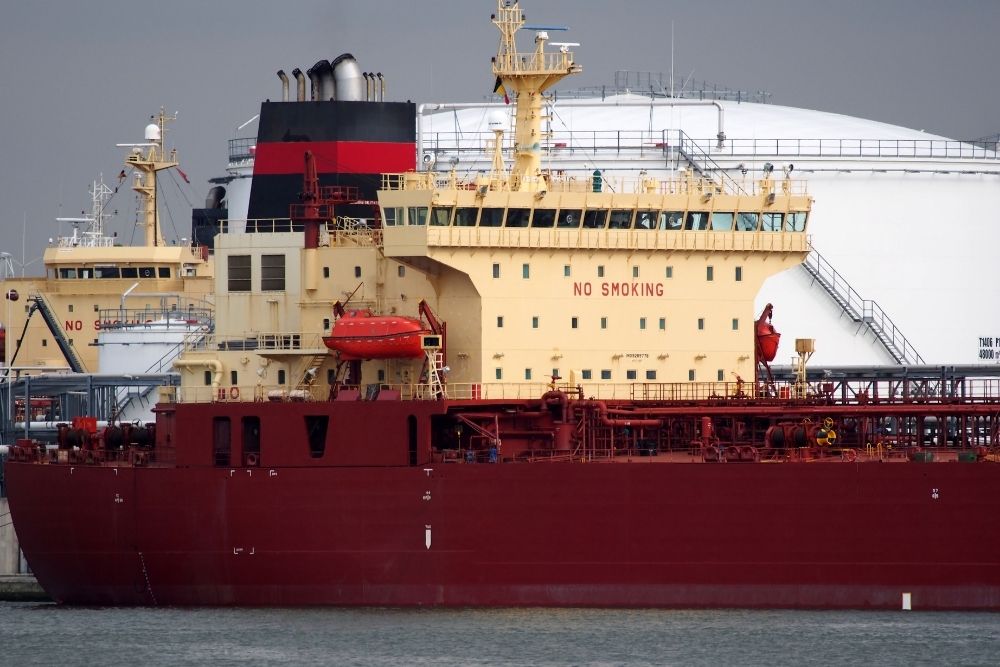
Hormuz disruption pushes Asia’s fuel import dependence into crisis
The more dramatic headlines around the war with Iran have focused on the threat to crude oil flows through the Strait of Hormuz, but the sharper and potentially faster-moving shock may be in Asia’s refined fuel system. The effective disruption of traffic through Hormuz is already pushing diesel, jet fuel and other product markets into severe stress, with Australia and Indonesia among the most exposed because of their heavy dependence on imported fuels.
Australia imports roughly 900,000 barrels a day of refined products and Indonesia about 600,000 barrels a day, making them the two biggest refined-fuel importers in Asia in this crisis. At the same time, benchmark Singapore gasoil and jet fuel prices have jumped dramatically since the conflict escalated, showing that the immediate bottleneck is not just crude availability but the availability of usable fuels for transport, industry and aviation.
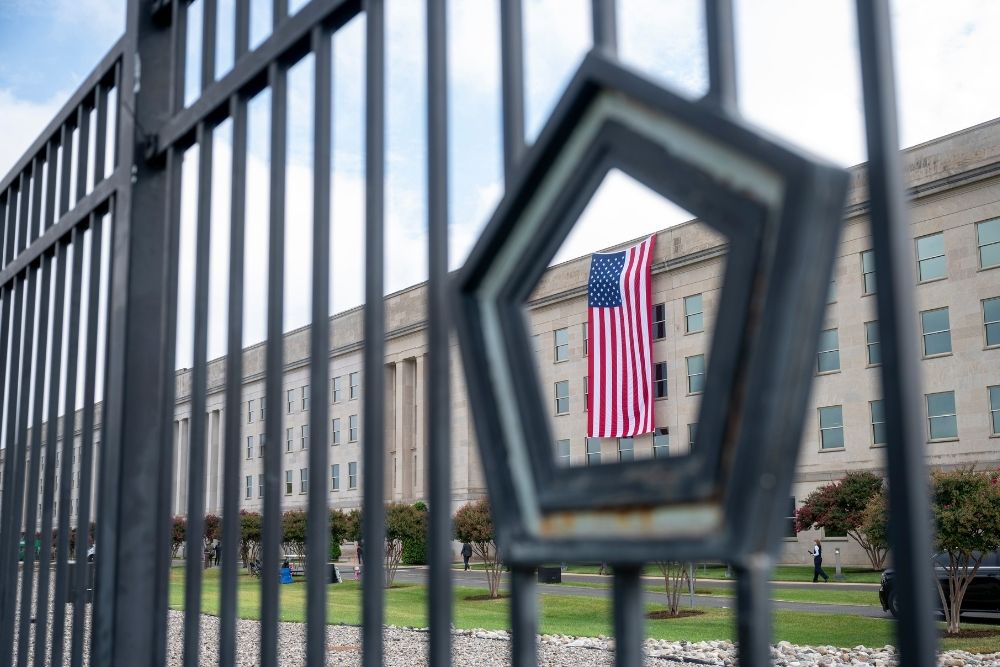
Pentagon is turning critical minerals into strategic infrastructure
The Pentagon’s decision to take a near-20% stake in Elmet Group marks another significant step in the United States’ effort to reduce dependence on China for strategically important minerals. The $450 million investment is not simply a defense procurement measure. It reflects a broader shift in U.S. industrial policy, with the federal government increasingly willing to become a direct shareholder in companies considered essential to national security.
Tungsten is an obvious candidate for this treatment. The metal is exceptionally dense, heat-resistant and difficult to substitute in many military applications. It is used in armor-piercing ammunition, aerospace systems, electronics, cutting tools and other high-performance components. For the Pentagon, secure access is therefore not optional. A sustained shortage would affect weapons production and broader industrial capacity.
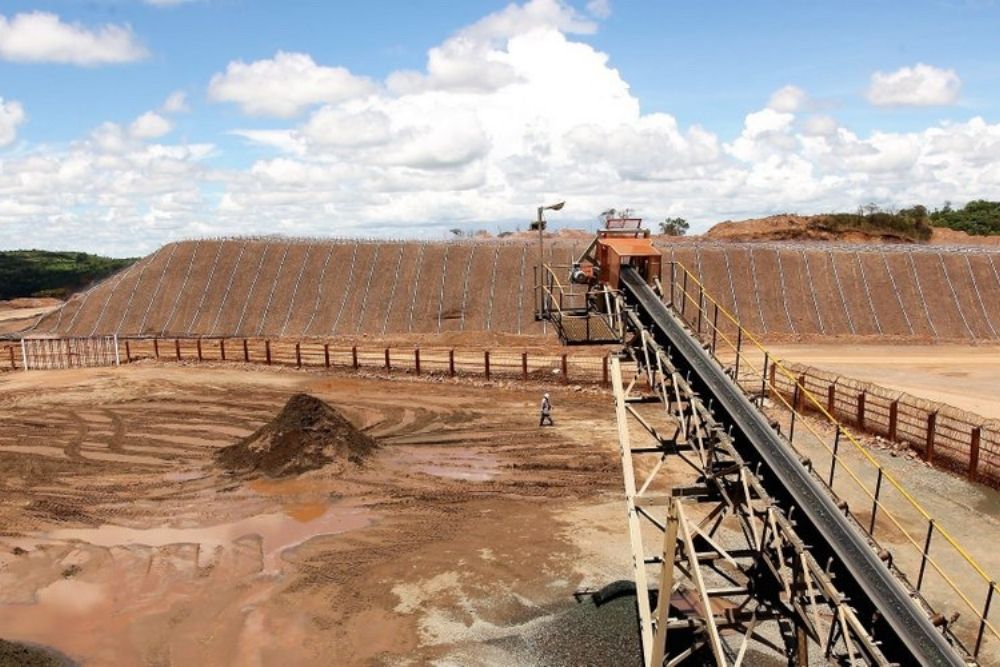
U.S. explores critical minerals partnership with DR Congo to counter Chinese dominance
The United States has signaled openness to exploring critical minerals partnerships with the Democratic Republic of Congo (DRC), following discussions initiated by a Congolese senator proposing a minerals-for-security deal. The DRC, home to vast reserves of cobalt, lithium, and uranium, has been battling the Rwanda-backed M23 rebels, who have seized significant territory this year.
The U.S. is willing to discuss collaborations in the sector in alignment with the Trump administration’s “America First” agenda. Washington has been working to enhance American private sector investment in the DRC to develop mining resources in a responsible and transparent manner. This aligns with broader U.S. efforts to diversify critical mineral supply chains away from Chinese dominance and secure resources needed for advanced technologies, including electric vehicles and renewable energy.