
Russia’s Nornickel opens Dubai office
- August 24, 2023
- Posted by: Quatro Strategies
- Categories: Europe, Middle East, Mining & Metals, Sanctions & Regulation
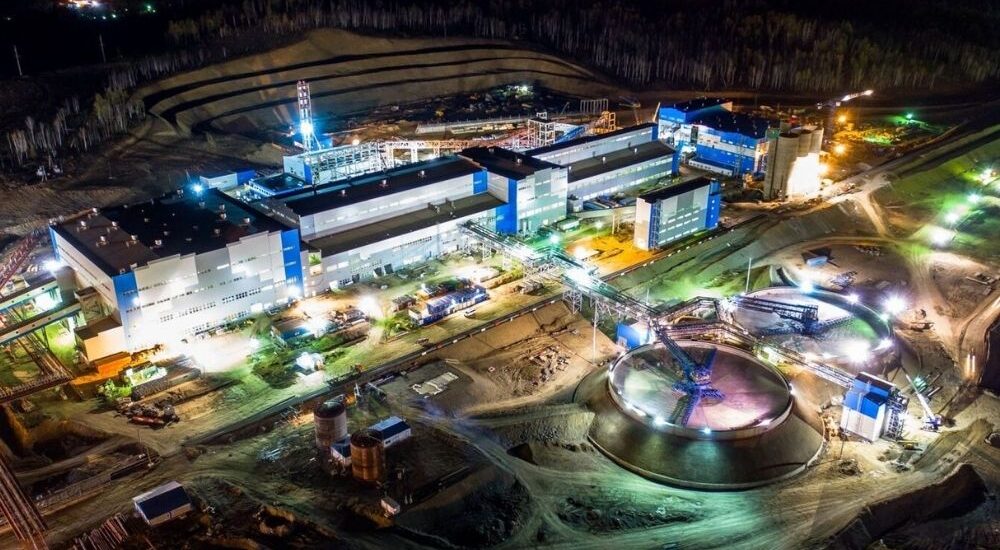
MMC Norilsk Nickel PJSC, the world’s largest refined nickel producer and palladium miner, has established an office in Dubai, becoming the largest Russian metals and mining company to set up in the United Arab Emirates. The move comes in the aftermath of the Kremlin’s war in Ukraine and amid increasing interest from Russian businesses in finding alternatives to navigate the challenges posed by international sanctions.
The Dubai-based office is incorporated under the name Greenwich Holdings Limited and is located within Dubai’s financial district. While the new office currently has a small team and a lawyer serving as a director, it is anticipated to expand over time as Norilsk Nickel explores the possibility of handling trading and administrative functions from the UAE.
The establishment of this office is part of a broader trend of Russian companies seeking new locations and avenues to conduct business in the face of sanctions and geopolitical tensions. The UAE has attracted Russian businesses, commodity traders, and individuals looking for a more stable environment amid the aftermath of the Ukraine conflict and associated sanctions.
While Norilsk Nickel itself has managed to avoid direct sanctions, it has experienced disruptions in various aspects of its operations due to the fallout from the conflict. The company’s logistics, insurance, banking, and shipping activities have been impacted, leading to adjustments in its global operations. Notably, the company redirected its sales focus from Europe to Asia, as the latter became a larger share of its total sales.
The establishment of an office in Dubai provides Norilsk Nickel with a strategic foothold in a region that offers proximity to key markets and potential business partners. This move reflects the company’s proactive approach to adapting to changing international dynamics and ensuring the continuity of its operations and growth.
Interested in learning more?
Sign up for Top Insights Today
Top Insights Today delivers the latest insights straight to your inbox.
You will get daily industry insights on
Oil & Gas, Rare Earths & Commodities, Mining & Metals, EVs & Battery Technology, ESG & Renewable Energy, AI & Semiconductors, Aerospace & Defense, Sanctions & Regulation, Business & Politics.
Read more insights
South Korea’s KEPCO eyes nuclear power station in Wales, engages with British officials
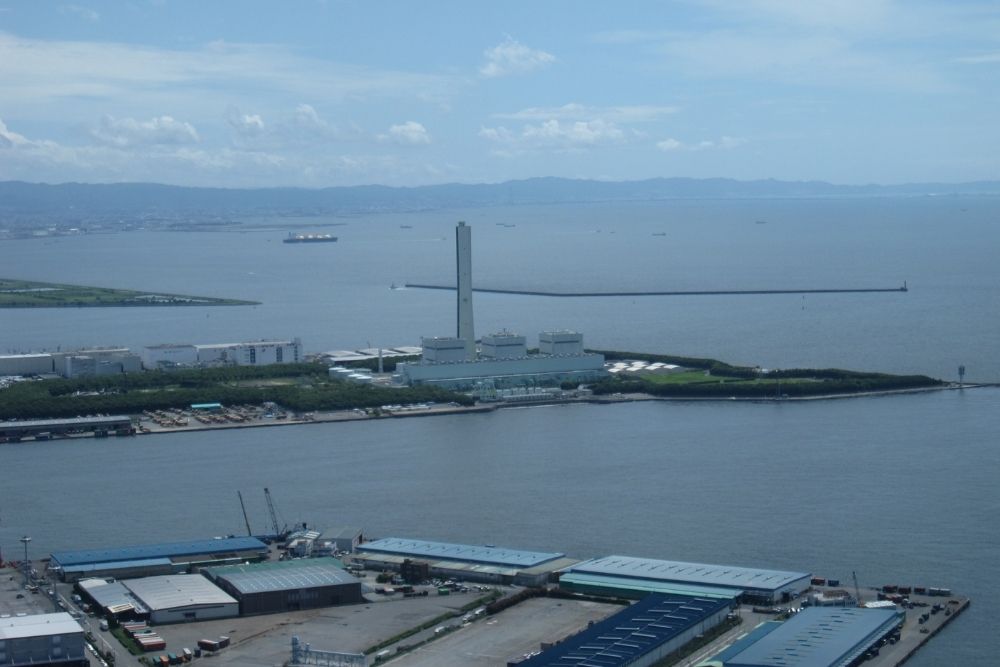
South Korea’s Korea Electric Power Corp (KEPCO) is in discussions with the British government regarding the construction of a nuclear power station off the coast of Wales. The state utility has engaged in initial talks with British officials at the Wylfa site in Anglesey. Andrew Bowie, Britain’s minister for nuclear…
Canada eyes stronger EU partnership as trade tensions with U.S. grow
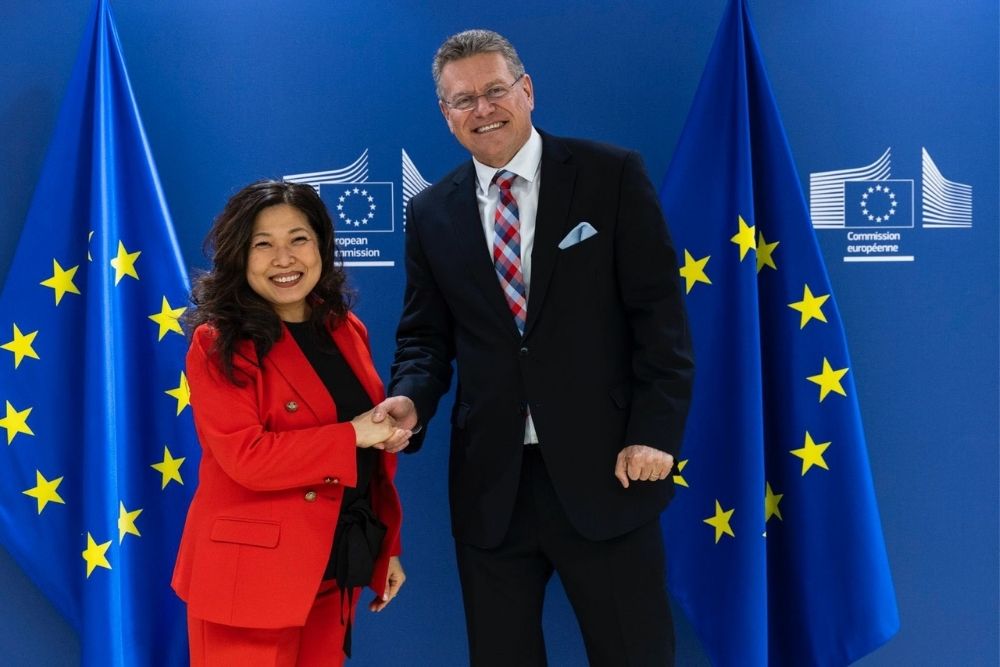
Canada is seeking to deepen its economic ties with the European Union and reinforce global trade rules as it faces the threat of new U.S. tariffs, Trade Minister Mary Ng said in an interview on Saturday. The country has already benefited from a free trade agreement with the EU since 2017, which has led to a 65% increase in bilateral trade…
Europe’s energy buffer thins as two wars squeeze LNG and diesel
Europe is approaching the 2026-27 heating season with the thinnest margin of safety it has held since the immediate aftermath of the Russian invasion, and this time the pressure is arriving from two directions at once. The war in Iran has severed a fifth of global liquefied natural gas supply at the Strait of Hormuz, while Ukrainian drone strikes on Russian refineries have knocked out a large share of the world’s diesel exports.
Both fuels heat European homes. Neither market has a comfortable answer before November. The structural vulnerability behind the current squeeze was created by Europe’s own successful escape from Russian pipeline gas.