
Russia’s Nornickel opens Dubai office
- August 24, 2023
- Posted by: Quatro Strategies
- Categories: Europe, Middle East, Mining & Metals, Sanctions & Regulation
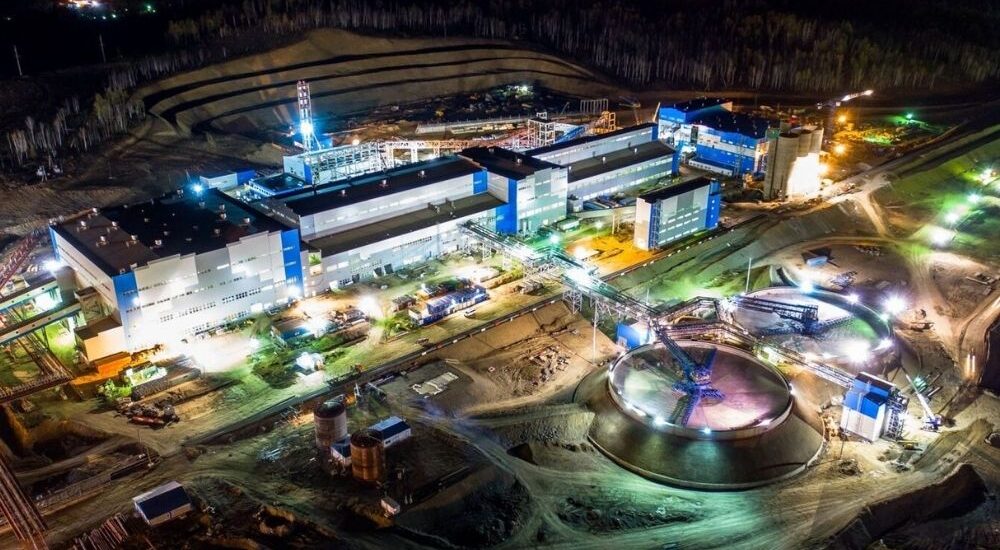
MMC Norilsk Nickel PJSC, the world’s largest refined nickel producer and palladium miner, has established an office in Dubai, becoming the largest Russian metals and mining company to set up in the United Arab Emirates. The move comes in the aftermath of the Kremlin’s war in Ukraine and amid increasing interest from Russian businesses in finding alternatives to navigate the challenges posed by international sanctions.
The Dubai-based office is incorporated under the name Greenwich Holdings Limited and is located within Dubai’s financial district. While the new office currently has a small team and a lawyer serving as a director, it is anticipated to expand over time as Norilsk Nickel explores the possibility of handling trading and administrative functions from the UAE.
The establishment of this office is part of a broader trend of Russian companies seeking new locations and avenues to conduct business in the face of sanctions and geopolitical tensions. The UAE has attracted Russian businesses, commodity traders, and individuals looking for a more stable environment amid the aftermath of the Ukraine conflict and associated sanctions.
While Norilsk Nickel itself has managed to avoid direct sanctions, it has experienced disruptions in various aspects of its operations due to the fallout from the conflict. The company’s logistics, insurance, banking, and shipping activities have been impacted, leading to adjustments in its global operations. Notably, the company redirected its sales focus from Europe to Asia, as the latter became a larger share of its total sales.
The establishment of an office in Dubai provides Norilsk Nickel with a strategic foothold in a region that offers proximity to key markets and potential business partners. This move reflects the company’s proactive approach to adapting to changing international dynamics and ensuring the continuity of its operations and growth.
Interested in learning more?
Sign up for Top Insights Today
Top Insights Today delivers the latest insights straight to your inbox.
You will get daily industry insights on
Oil & Gas, Rare Earths & Commodities, Mining & Metals, EVs & Battery Technology, ESG & Renewable Energy, AI & Semiconductors, Aerospace & Defense, Sanctions & Regulation, Business & Politics.
Read more insights
Trump’s bilateral pacts aim to box China out of global supply chains
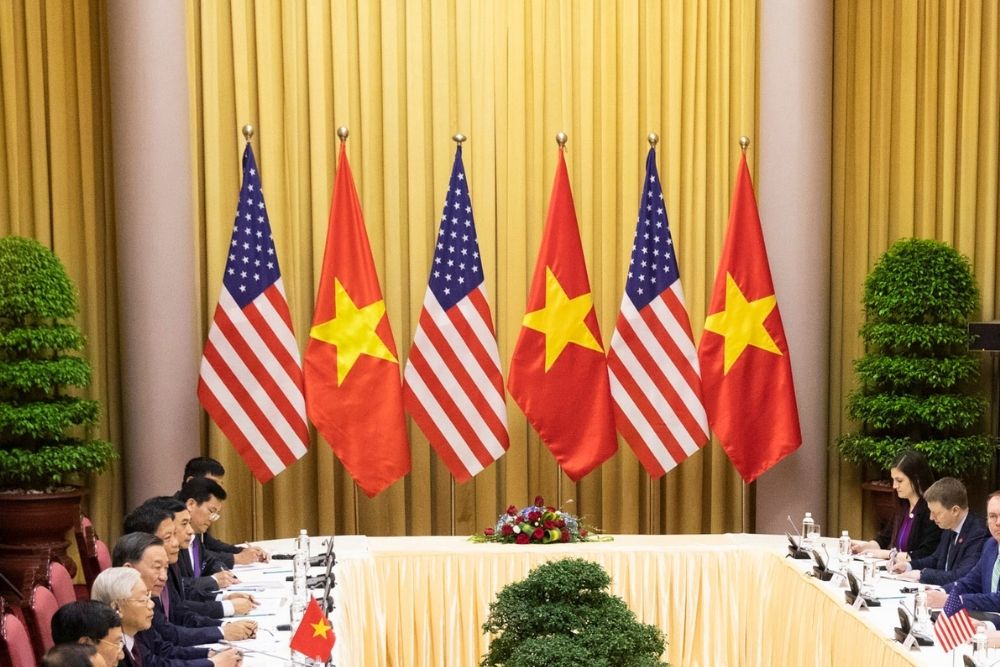
U.S. President Donald Trump recently announced a new trade understanding with Vietnam, though details remain elusive. Hanoi itself has offered little clarity on what exactly was agreed upon, underscoring that this deal—like Trump’s earlier sketch of a post-Brexit tariff arrangement with the UK—appears driven less by economic logic than by the broader geopolitical campaign to isolate China.
According to Trump’s brief disclosure, Washington will levy a 20% import tariff on Vietnamese goods—far gentler than the hefty 46% duty Trump threatened back in April, timed to coincide with Vietnam’s Liberation Day. For foreign firms that rely on Vietnam as a key manufacturing hub, such as Nike, the relative mildness of these tariffs might be a relief. But that comfort is tenuous; much depends on how U.S. duties on other nations evolve under Trump’s continued transactional approach to trade.
Protectionist America reshapes global industry as foreign firms move in
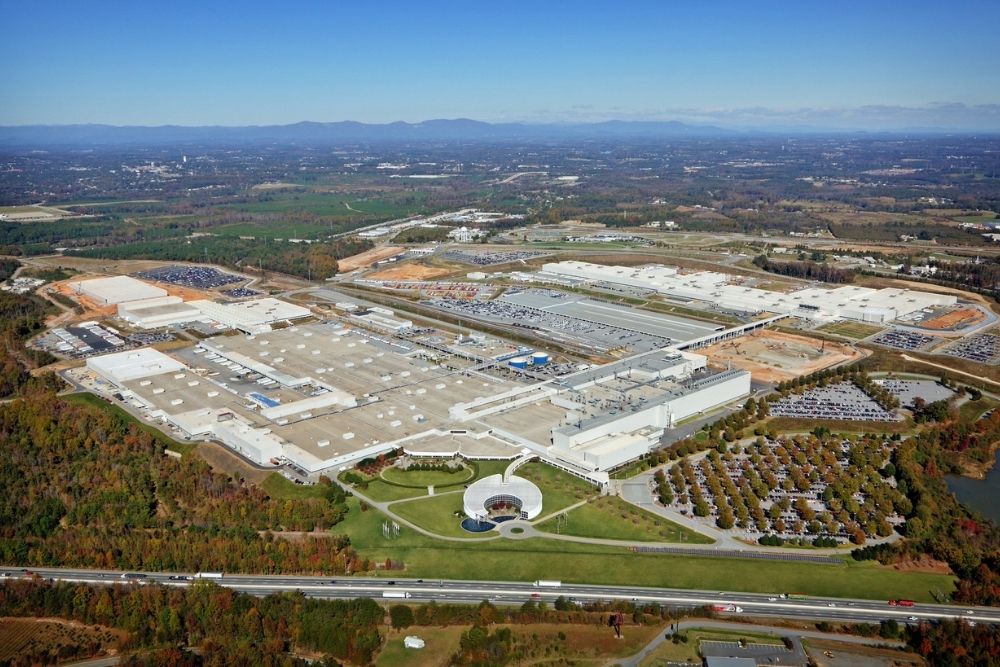
Amid escalating trade tensions driven by President Donald Trump’s aggressive tariff regime, a growing number of foreign companies are accelerating plans to expand or relocate manufacturing and operations to the United States. Their objective: to mitigate tariff exposure, ensure supply chain stability, and retain access to the world’s largest consumer market under an increasingly protectionist American industrial policy.
Foreign automakers are among the most affected by shifting U.S. trade policy and are moving swiftly to localize production.
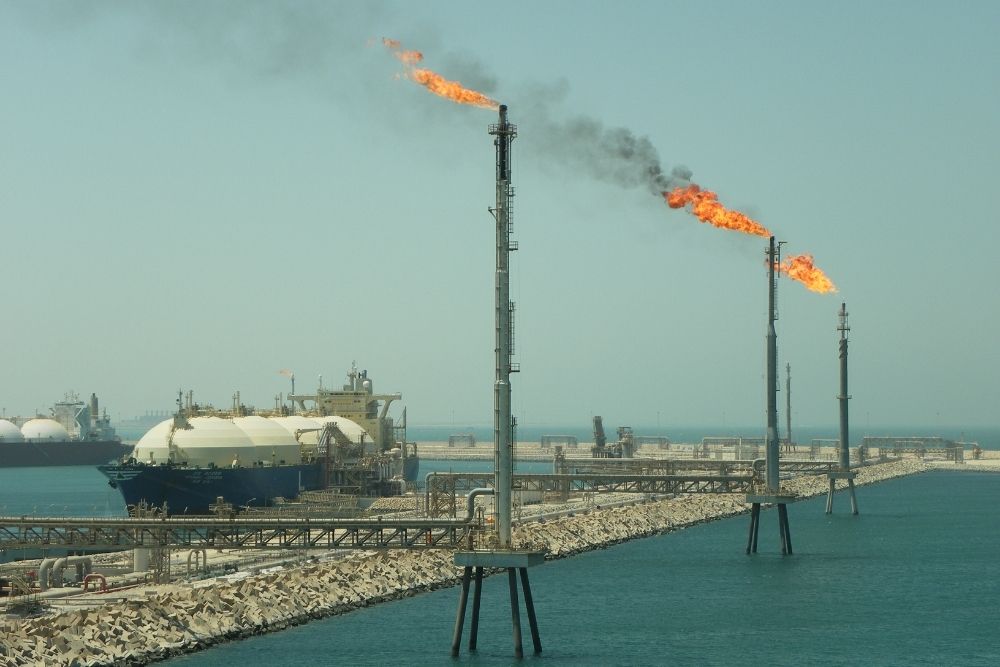
Qatar’s Ras Laffan outage turns into month-scale shock for global LNG
Qatar’s LNG disruption is now moving from “temporary outage” into something closer to a month-long supply shock, which is why markets are treating it as a systemic event rather than another fleeting geopolitical headline.
Qatar will fully shut gas liquefaction at Ras Laffan on Wednesday, and even if a restart begins after roughly two weeks, it would take at least another two weeks to ramp back to normal production and export levels, implying a minimum of about a month before full volumes return. QatarEnergy, which already declared force majeure on exports, has not commented publicly.