
Britain set to host global AI summit in November
- August 25, 2023
- Posted by: Quatro Strategies
- Categories: AI & Semiconductors, Europe

The United Kingdom is set to host a global summit on artificial intelligence (AI) in November, aiming to position itself as a leader in AI safety and regulation. The summit will be held at Bletchley Park, the historic site where mathematician Alan Turing and others cracked Nazi Germany’s Enigma code during World War II. The event will bring together executives from technology companies, government officials, and academics to discuss the risks associated with AI and explore ways to mitigate those risks.
Prime Minister Rishi Sunak has emphasized the importance of addressing the challenges posed by AI while harnessing its potential benefits. The summit is expected to delve into various AI-related issues, including the prevention of AI’s misuse for spreading misinformation during elections and its use in warfare. The UK government seeks to position the country as a global hub for AI regulation and innovation.
Sunak’s decision to organize the summit follows discussions with President Joe Biden in Washington. He envisions the UK as both the intellectual and geographical home for AI regulation. Governments worldwide are grappling with the need to establish effective regulations for AI to prevent its negative consequences without hindering its progress and innovation.
The preparations for the summit will be led by tech entrepreneur and expert Matt Clifford, along with Jonathan Black, a former senior diplomat and deputy national security adviser. The UK’s approach to AI regulation involves distributing regulatory responsibility among existing bodies overseeing competition, human rights, and health and safety, rather than creating a dedicated AI regulatory body.
This initiative aligns with the broader global movement toward establishing trustworthy AI standards. Leaders from the Group of Seven (G7) economies have called for the adoption of such standards and the creation of a ministerial forum known as the Hiroshima AI process. The UK’s hosting of the global AI summit demonstrates its commitment to taking a proactive role in shaping the future of AI and addressing its potential risks.
Interested in learning more?
Sign up for Top Insights Today

Top Insights Today delivers the latest insights straight to your inbox.
You will get daily industry insights on
Oil & Gas, Rare Earths & Commodities, Mining & Metals, EVs & Battery Technology, ESG & Renewable Energy, AI & Semiconductors, Aerospace & Defense, Sanctions & Regulation, Business & Politics.
Read more insights
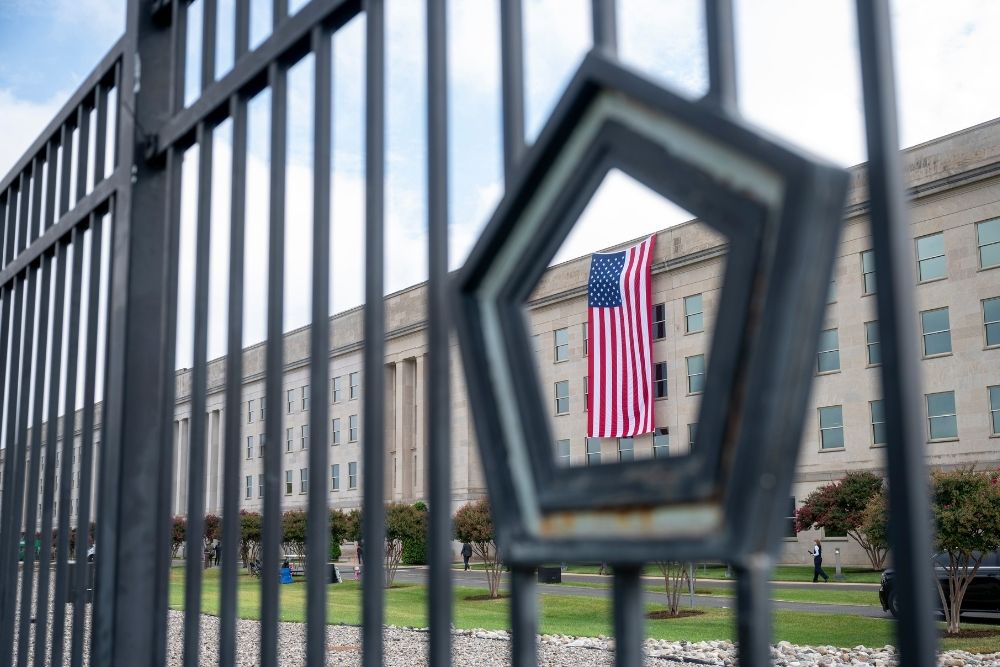
Pentagon brings critical minerals processing onto military bases
Canadian miner Titan Mining and US-based REalloys have been selected by the US Army to develop critical minerals processing facilities on military bases, advancing the Pentagon’s broader push to secure defense supply chains and reduce reliance on China for the materials used in weapons, batteries, and advanced manufacturing.
The selections, part of the military’s development of critical minerals refineries on its bases, illustrate the integration of the defense establishment into the broader effort to build the domestic critical minerals supply chains that the Chinese dominance and the strategic competition have made an urgent priority.
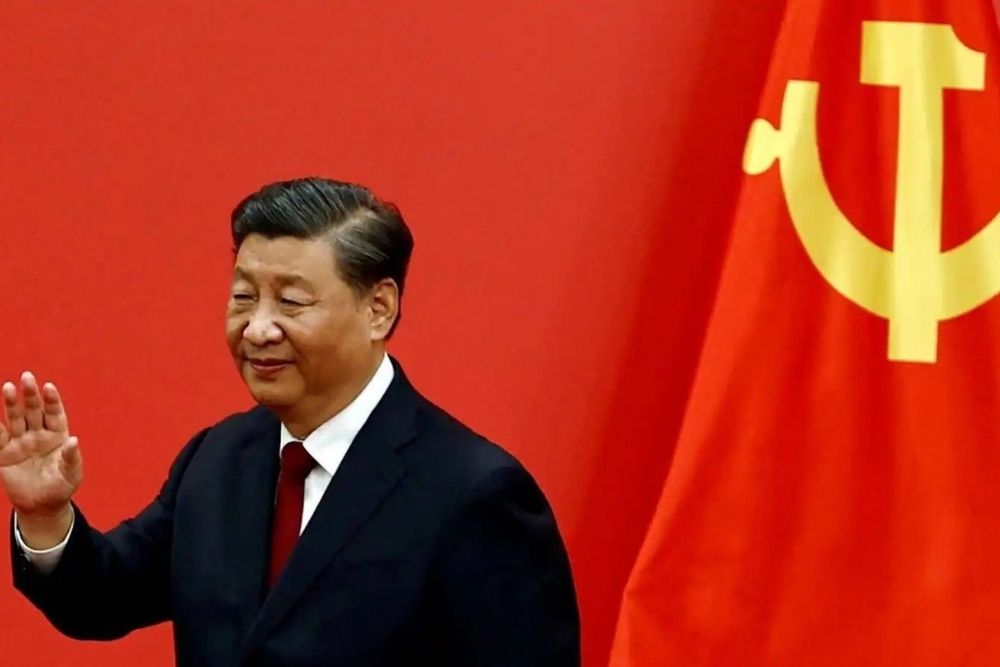
China’s Politburo shifts to proactive economic policies to combat slowdown and US tariffs
China’s leadership has signaled a more aggressive approach to economic stimulus for 2025, responding to persistent economic challenges and looming trade tensions with the U.S. under President-elect Donald Trump. During the Politburo’s December meeting, the government committed to a “moderately loose” monetary policy…

As LNG prices surge, Asian utilities pivot back to cheaper coal
Escalating conflict in the Middle East is unexpectedly strengthening the position of thermal coal in global energy markets, particularly in Asia, as liquefied natural gas (LNG) prices climb in response to geopolitical risk. The sharp rise in LNG spot prices has made coal more economically attractive in markets where utilities can switch between fuels—most notably Japan and South Korea.
The conflict, initially between Israel and Iran and now involving the United States, has heightened concerns about potential disruptions to global energy flows through the Strait of Hormuz—a critical chokepoint for both crude oil and LNG. Nearly 20% of the world’s seaborne LNG, primarily from Qatar, transits through this narrow waterway.