
Britain set to host global AI summit in November
- August 25, 2023
- Posted by: Quatro Strategies
- Categories: AI & Semiconductors, Europe

The United Kingdom is set to host a global summit on artificial intelligence (AI) in November, aiming to position itself as a leader in AI safety and regulation. The summit will be held at Bletchley Park, the historic site where mathematician Alan Turing and others cracked Nazi Germany’s Enigma code during World War II. The event will bring together executives from technology companies, government officials, and academics to discuss the risks associated with AI and explore ways to mitigate those risks.
Prime Minister Rishi Sunak has emphasized the importance of addressing the challenges posed by AI while harnessing its potential benefits. The summit is expected to delve into various AI-related issues, including the prevention of AI’s misuse for spreading misinformation during elections and its use in warfare. The UK government seeks to position the country as a global hub for AI regulation and innovation.
Sunak’s decision to organize the summit follows discussions with President Joe Biden in Washington. He envisions the UK as both the intellectual and geographical home for AI regulation. Governments worldwide are grappling with the need to establish effective regulations for AI to prevent its negative consequences without hindering its progress and innovation.
The preparations for the summit will be led by tech entrepreneur and expert Matt Clifford, along with Jonathan Black, a former senior diplomat and deputy national security adviser. The UK’s approach to AI regulation involves distributing regulatory responsibility among existing bodies overseeing competition, human rights, and health and safety, rather than creating a dedicated AI regulatory body.
This initiative aligns with the broader global movement toward establishing trustworthy AI standards. Leaders from the Group of Seven (G7) economies have called for the adoption of such standards and the creation of a ministerial forum known as the Hiroshima AI process. The UK’s hosting of the global AI summit demonstrates its commitment to taking a proactive role in shaping the future of AI and addressing its potential risks.
Interested in learning more?
Sign up for Top Insights Today

Top Insights Today delivers the latest insights straight to your inbox.
You will get daily industry insights on
Oil & Gas, Rare Earths & Commodities, Mining & Metals, EVs & Battery Technology, ESG & Renewable Energy, AI & Semiconductors, Aerospace & Defense, Sanctions & Regulation, Business & Politics.
Read more insights
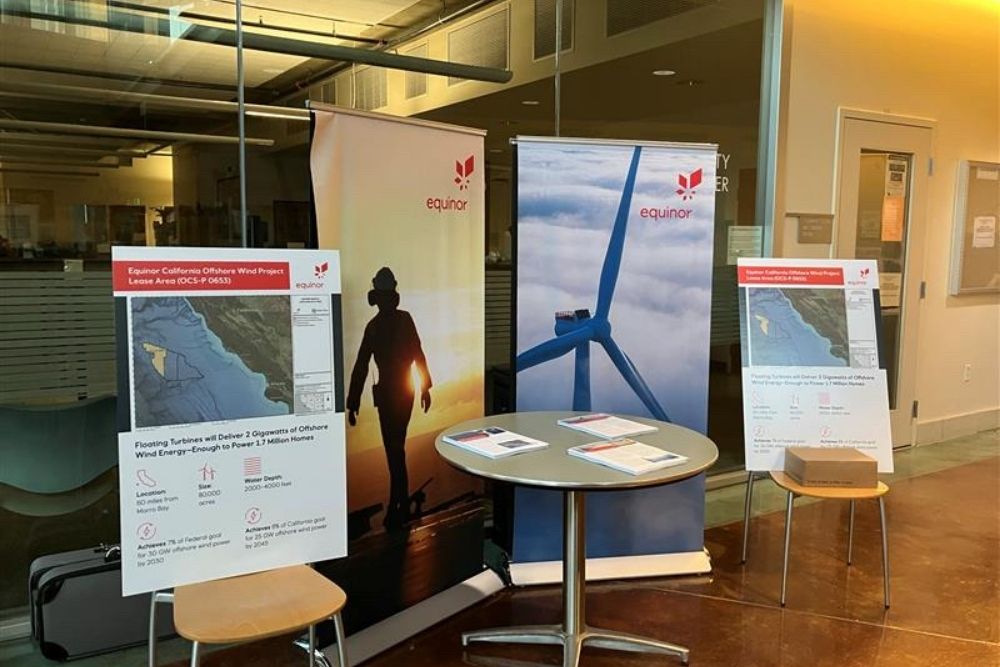
White House lifts wind farm ban after pipeline pact with New York governor
In a significant shift in U.S. energy policy, the Trump administration has rescinded a month-long halt on construction of the $5 billion Empire Wind project off the coast of New York, following a behind-the-scenes agreement with state authorities.
This development not only clears the way for Norway’s Equinor to resume building one of the largest offshore wind farms in the country, but it also signals potential federal support for reviving previously abandoned natural gas pipeline proposals, particularly one linking Pennsylvania’s gas fields to the Northeast.
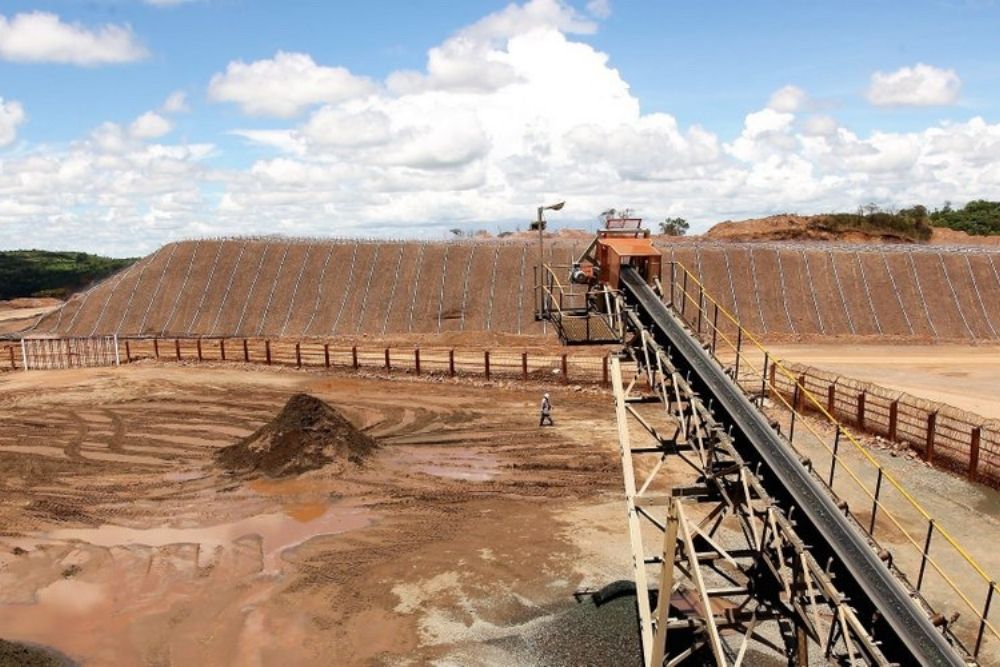
DR Congo wants to nationalize some copper, cobalt deposits
The Democratic Republic of Congo (DRC) is taking steps to regain control over its valuable copper and cobalt deposits, which are crucial for the production of electric vehicle batteries and other green technologies. The move is driven by concerns that mining companies, particularly Eurasian Resources Group (ERG), have been too slow to develop these assets. ERG is a Kazakh-backed mining company and a significant cobalt producer in the DRC.

China outlines vision for automotive chip standards to enhance innovation
China’s Ministry of Industry and Information Technology (MIIT) has unveiled an extensive plan to expedite the establishment of standards for automotive chips. The move aims to bolster research and development (R&D) in the sector amid increasing international competition. After becoming…