
Indian tycoon setting consortium to buy Teck’s coal unit
- August 25, 2023
- Posted by: Quatro Strategies
- Categories: Americas, India, Mining & Metals, Rare Earths & Commodities
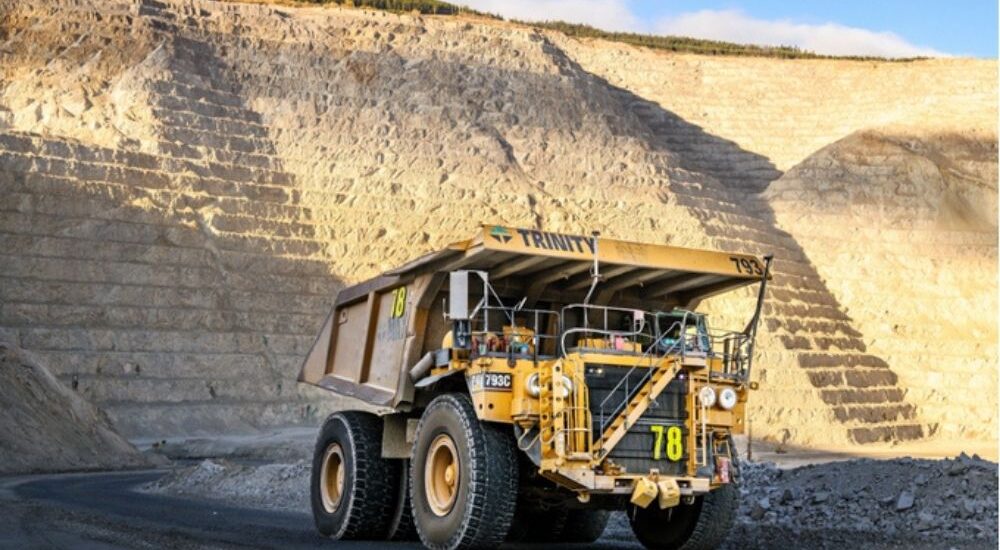
Indian business magnate Sajjan Jindal, who heads the $23 billion Mumbai-listed JSW Steel, is reportedly assembling a consortium to bid for a 75% stake in the coal unit of Canadian mining company Teck Resources. This move would put JSW Steel in competition with Swiss commodities giant Glencore, which has also submitted an $8 billion bid for the same stake. The stake in question is in Teck’s coal unit, Elk Valley Resources, which produces a significant amount of steelmaking coal.
Jindal’s interest in this acquisition aligns with India’s increasing demand for steel as it aims to double its annual domestic production capacity to 300 million tons by 2030. India’s per capita consumption of steel is currently much lower than the global average, and domestic steelmakers like JSW Steel, Tata Steel, and Steel Authority of India are seeking to secure reliable coal supplies for their growing production needs.
JSW Steel and other domestic steelmakers in India are looking to reduce their vulnerability to supply shocks, which can lead to increased input costs and volatility in earnings. The acquisition of coal mines, especially those producing steelmaking coal, can provide a measure of stability to their operations by securing critical raw materials.
For Jindal, bidding for the Teck coal unit could be a strategic move to ensure a consistent supply of coal for JSW Steel’s operations. The consortium approach allows Jindal to pool resources and expertise with other potential partners. While the option of financing the acquisition entirely through borrowing is available, Jindal and other Indian tycoons are likely to be cautious about taking on excessive debt due to past experiences with bad debt situations in the country.
In addition to Teck Resources’ coal unit, JSW Steel already has a presence in North America with steel plants in Ohio and Texas, as well as coal mining facilities in West Virginia. The outcome of this bidding competition could have a significant impact on JSW Steel’s future operations and its ability to secure a stable supply of coal for its steel production.
Interested in learning more?
Sign up for Top Insights Today

Top Insights Today delivers the latest insights straight to your inbox.
You will get daily industry insights on
Oil & Gas, Rare Earths & Commodities, Mining & Metals, EVs & Battery Technology, ESG & Renewable Energy, AI & Semiconductors, Aerospace & Defense, Sanctions & Regulation, Business & Politics.
Read more insights
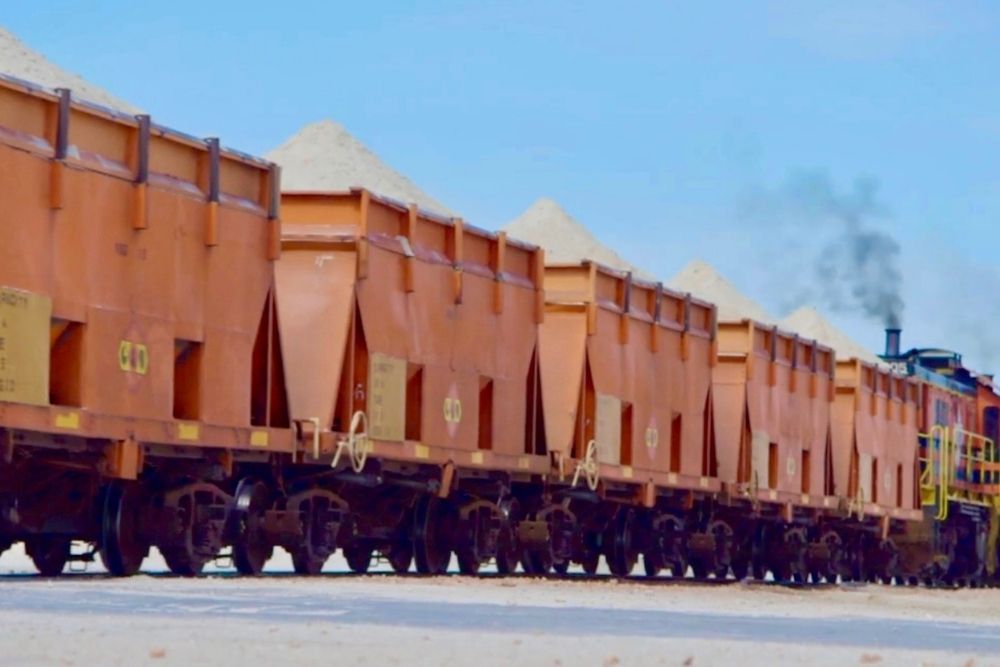
Australia and U.S. commit $849 million for rare earth refinery in joint financing
Australia and the United States are converting their critical minerals partnership from diplomatic framework into tangible financial commitment, with coordinated financing offers totaling up to 849 million Australian dollars for a Tronox Holdings rare earth refinery project and a further one billion Australian dollars for Ardea Resources’ nickel-cobalt development in Western Australia.
Export Finance Australia and the US Export-Import Bank each issued matching letters of support, splitting the potential funding equally between the two allied institutions in what represents one of the most concrete joint financing actions to emerge from the bilateral minerals agreement signed at the White House last year.

China’s Evergrande looks for debt restructuring process in U.S. court
China Evergrande Group, a major Chinese property developer facing a severe debt crisis, has filed for bankruptcy protection in a US court. This move is part of one of the largest debt restructuring exercises globally, reflecting the escalating concerns over China’s deteriorating property market and the overall weakening of the country’s economy. China Evergrande was once the top-selling developer in China but has become a symbol of the country’s unprecedented debt crisis in the property sector, which constitutes a significant portion of China’s economy. The company has been grappling with a liquidity crunch since mid-2021 and is burdened with over $300 billion in liabilities.
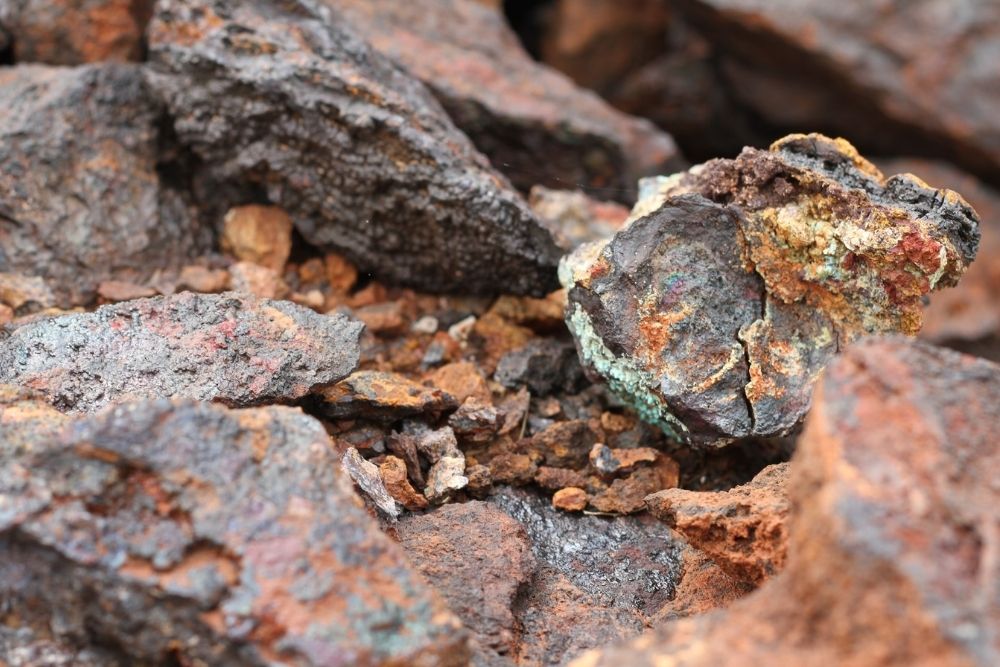
Nickel purchases expected to rise with the new year
Nickel is expected to witness increased buying activity in the lead-up to and during the annual re-balancing of commodity indexes in January. Analysts anticipate a surge in nickel purchases as funds using the S&P GSCI and Bloomberg commodity indexes need to adjust their holdings…