
Green hydrogen producer Thyssenkrupp Nucera unveils growth plans
- August 29, 2023
- Posted by: Quatro Strategies
- Categories: ESG & Renewable Energy, Europe
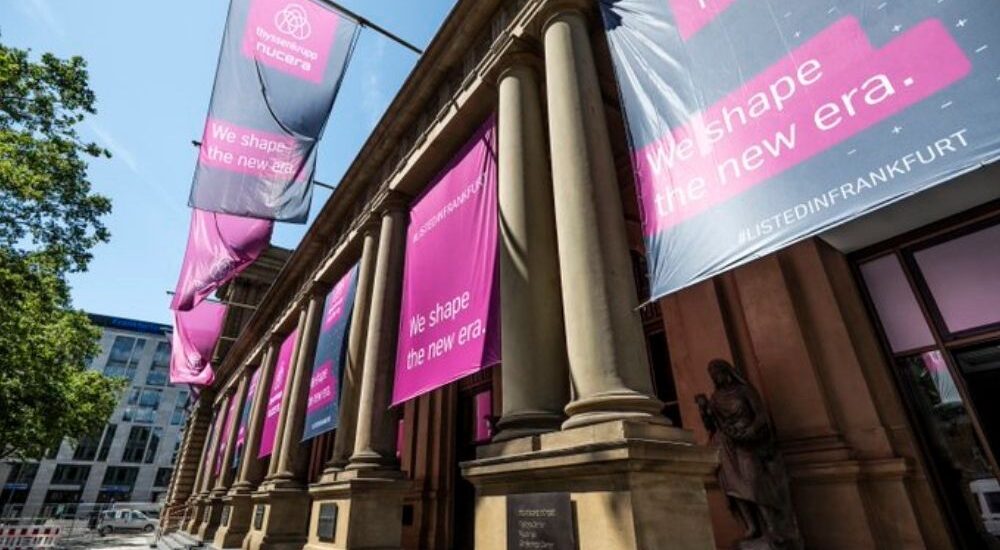
Thyssenkrupp Nucera, a company that produces green hydrogen, announced its growth plans after reporting strong sales and operating income. The company aims to meet the growing demand for green hydrogen, which is considered crucial for decarbonizing the German economy.
Chief Executive Werner Ponikwar stated that a global workforce expansion is necessary to achieve their growth targets. The company, which is majority-owned by Thyssenkrupp, also plans to expand production to new locations, including India.
Green hydrogen, produced using renewable energy, is still in its early stages but has been identified as a key energy source for reducing carbon emissions in Germany and other European Union countries.
Nucera reported its first financial results since going public, with earnings before interest and taxes (EBIT) increasing by 59% year-on-year to 7 million euros in the third quarter of its 2022/23 financial year. Sales nearly doubled to 187.5 million euros, mainly driven by its alkaline water electrolysis.
Nucera’s shares rose by up to 5% following the release of the results. The company confirmed its mid- and long-term targets but warned that spending on its growth strategy would affect its EBIT margin. The company expects its EBIT margin to turn negative in the next quarter but still anticipates a positive result for this financial year.
Nucera plans to invest all available funds in growth and will forego a dividend for the foreseeable future.
Interested in learning more?
Sign up for Top Insights Today

Top Insights Today delivers the latest insights straight to your inbox.
You will get daily industry insights on
Oil & Gas, Rare Earths & Commodities, Mining & Metals, EVs & Battery Technology, ESG & Renewable Energy, AI & Semiconductors, Aerospace & Defense, Sanctions & Regulation, Business & Politics.
Read more insights
Investors starting to turn back on clean energy
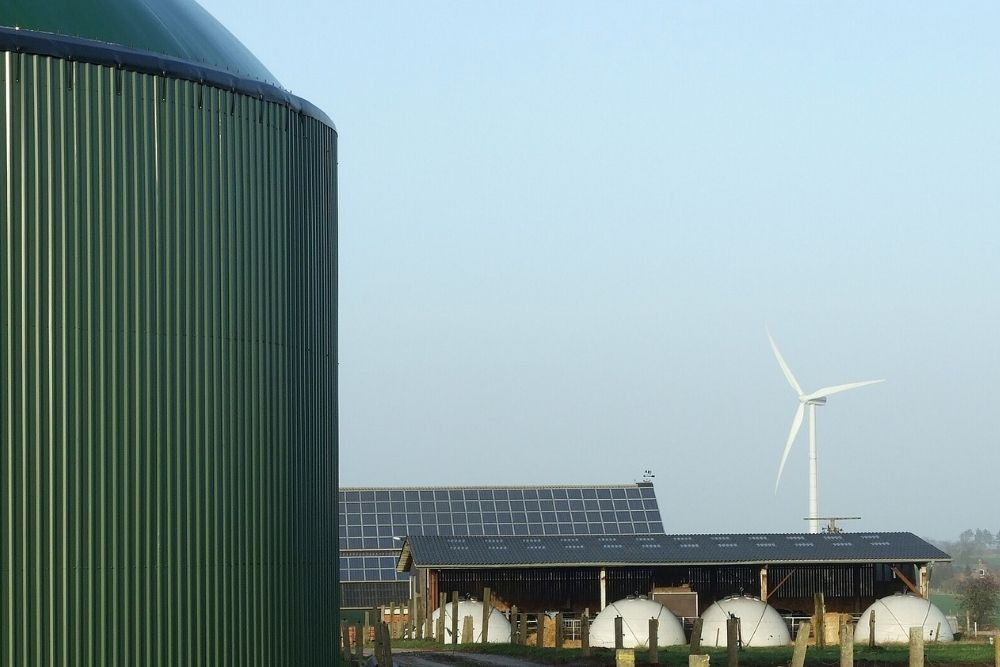
In a somewhat surprising turn of events, investors have withdrawn a record amount of money from the world’s largest clean energy investment vehicles during the first eight months of this year. A net total of $765 million was withdrawn from the iShares Global Clean Energy ETF (ICLN), marking a substantial outflow and a record for any January to August period.
Denmark’s Orsted ventures into Irish solar project
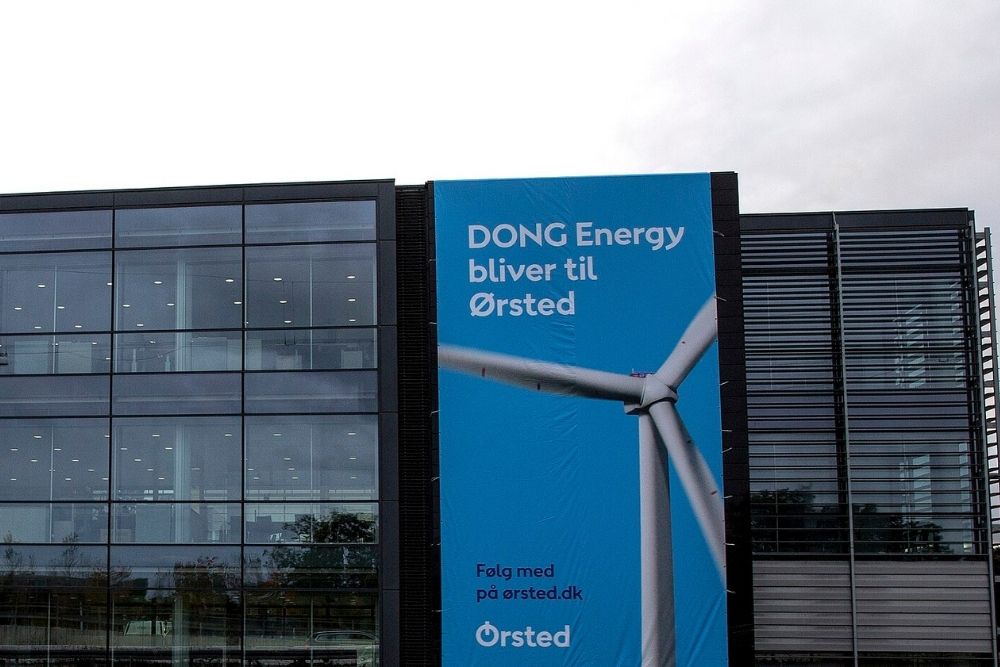
Denmark’s Orsted, a global leader in renewable energy, has unveiled a significant partnership with Terra Solar, a renewable energy developer, aimed at developing a 400-megawatt (MW) portfolio of solar energy projects in Ireland. This collaboration is a proactive response to Ireland’s persistent energy challenges.
Japan moves to revive offshore wind ambitions with longer leases
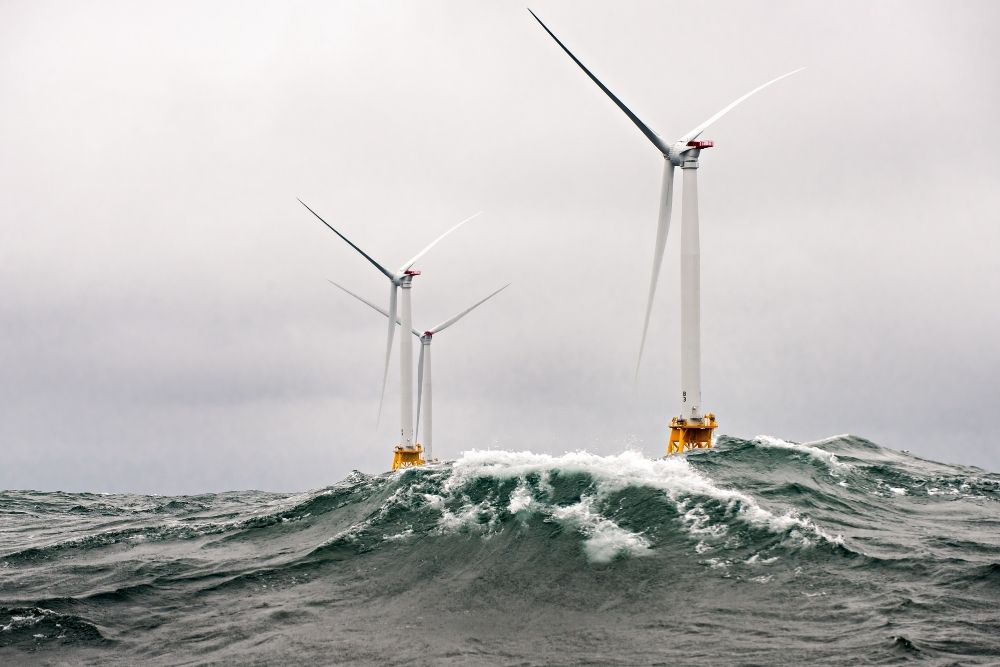
Japan’s government is moving to make its offshore wind sector more attractive to investors by extending project lease terms from 30 to 40 years, according to a joint proposal from the Ministry of Economy, Trade and Industry (METI) and the Ministry of Land, Infrastructure, Transport and Tourism (MLIT). The measure is meant to ease pressure on developers facing surging global construction costs, financing strains, and delays in offshore projects.
Under the current rules, developers must build, operate, and decommission facilities all within 30 years, meaning that turbines typically only generate electricity for about 20 years before dismantling. The proposed revision would allow operators to renew their permits if they meet certain conditions, giving projects an extended operating window.