
US Steel nearing sale with numerous companies interested
- August 30, 2023
- Posted by: Quatro Strategies
- Categories: Mining & Metals, United States
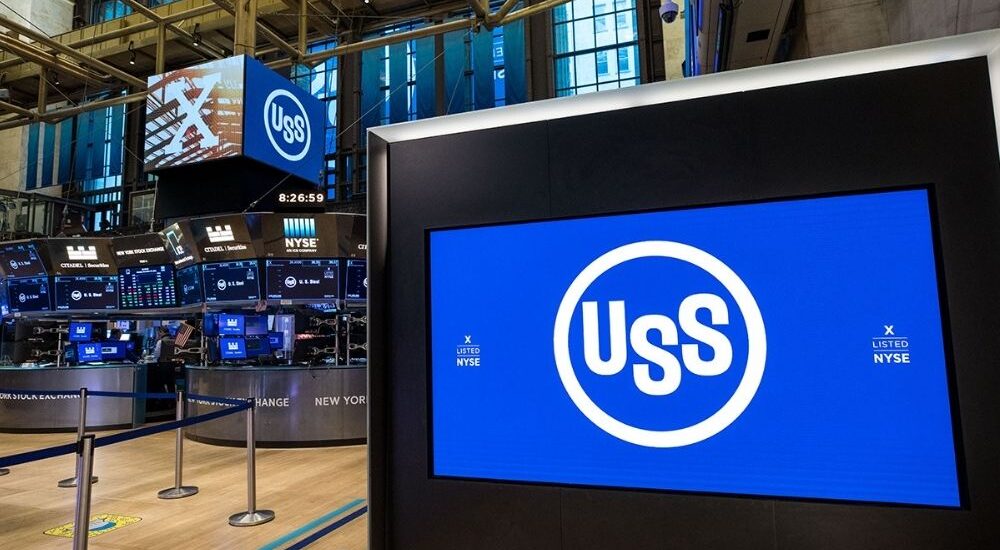
US Steel, a prominent integrated steelmaker based in Pittsburgh, has taken a significant step toward a potential sale by entering into multiple confidentiality agreements with interested parties. This move is seen as part of the company’s efforts to ensure a public and competitive process for its potential sale. In a recent letter addressed to shareholders, US Steel’s Chief Executive David Burritt confirmed that the company has engaged in customary non-disclosure agreements with numerous third parties. This marks the initiation of sharing due diligence information with potential buyers, indicating the company’s willingness to explore its options in a transparent manner.
In the past month, US Steel has been the recipient of various unsolicited bids from different quarters. These bids have ranged from partial acquisition of specific parts of the company to comprehensive offers for the entire corporation. Among the interested parties, Cleveland-Cliffs, a rival entity, made a notable bid of $7.3 billion in cash and stock for the entire company. However, this bid was rejected by US Steel on August 13th. In addition to Cleveland-Cliffs, another interested contender was Esmark, a Chicago-based industrial company, which put forth a competing all-cash bid of $7.8 billion.
Acknowledging the diverse interest from potential buyers, US Steel’s board of directors formally initiated a comprehensive review process with the guidance of external financial and legal advisors. The aim of this review is to evaluate the various strategic alternatives available to the company, particularly in the context of the unsolicited bids it has received. The outcome of this review is eagerly awaited, but no definitive timeline has been provided. Burritt emphasized that the board, along with external advisors and the management team, is working diligently to expedite the review process while ensuring thorough evaluation.
Despite the ongoing review, US Steel’s management has been resolute in their intention to ensure a competitive process that maximizes shareholder value. The company’s ultimate goal is to mitigate any transaction-related risks while making strategic decisions that align with the best interests of its stakeholders. Once the review is complete, the board will determine the most suitable path forward for the company and its shareholders. This pivotal phase marks a critical juncture for US Steel as it navigates potential avenues that could shape its future within the steel industry.
Interested in learning more?
Sign up for Top Insights Today

Top Insights Today delivers the latest insights straight to your inbox.
You will get daily industry insights on
Oil & Gas, Rare Earths & Commodities, Mining & Metals, EVs & Battery Technology, ESG & Renewable Energy, AI & Semiconductors, Aerospace & Defense, Sanctions & Regulation, Business & Politics.
Read more insights

EU backs German hydrogen aid to keep green ambitions alive
The European Commission’s approval of €1.3 billion in German state aid for renewable hydrogen is another attempt to keep Europe’s hydrogen ambitions alive at a time when the sector is struggling to move from policy enthusiasm to real investment.
The scheme will support production of renewable hydrogen through the European Hydrogen Bank’s Auctions-as-a-Service model, allowing Germany to use the EU auction platform while adding national money for domestic projects. The program could support up to 1,000 MW of electrolyser capacity and produce as much as 10 million metric tons of hydrogen, avoiding up to 55 million tons of CO2.
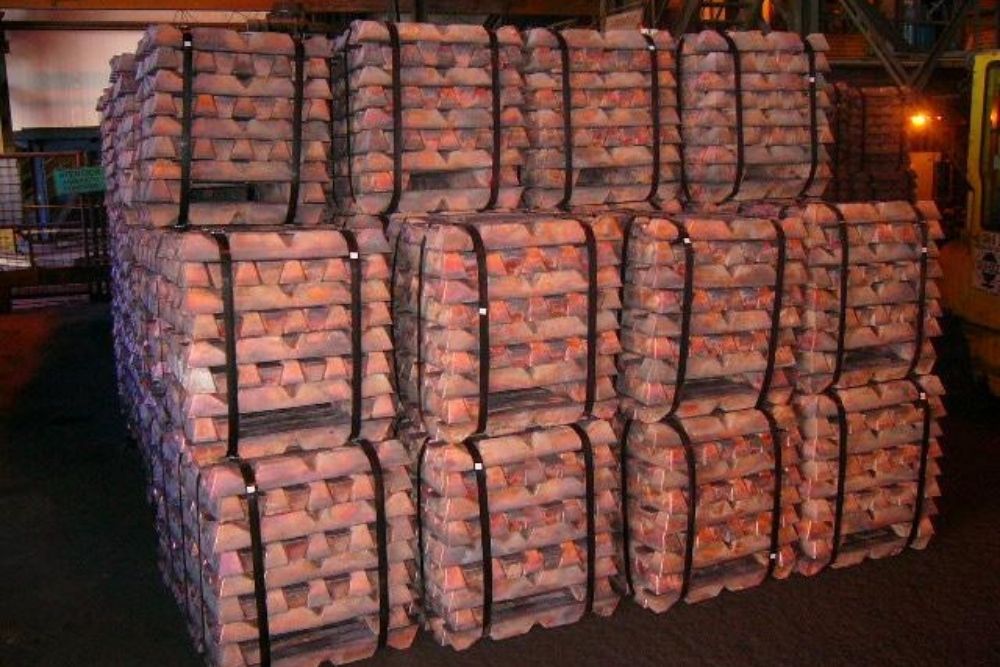
Chinese buyers to pay 36% less for Codelco’s copper premium next year
China’s top copper buyers are expected to negotiate a reduced premium of approximately $90 per metric ton for Codelco’s copper in the coming year, marking a significant 36% drop from the premiums paid this year. These premiums are additional costs on top of the reference London Metal Exchange (LME)…
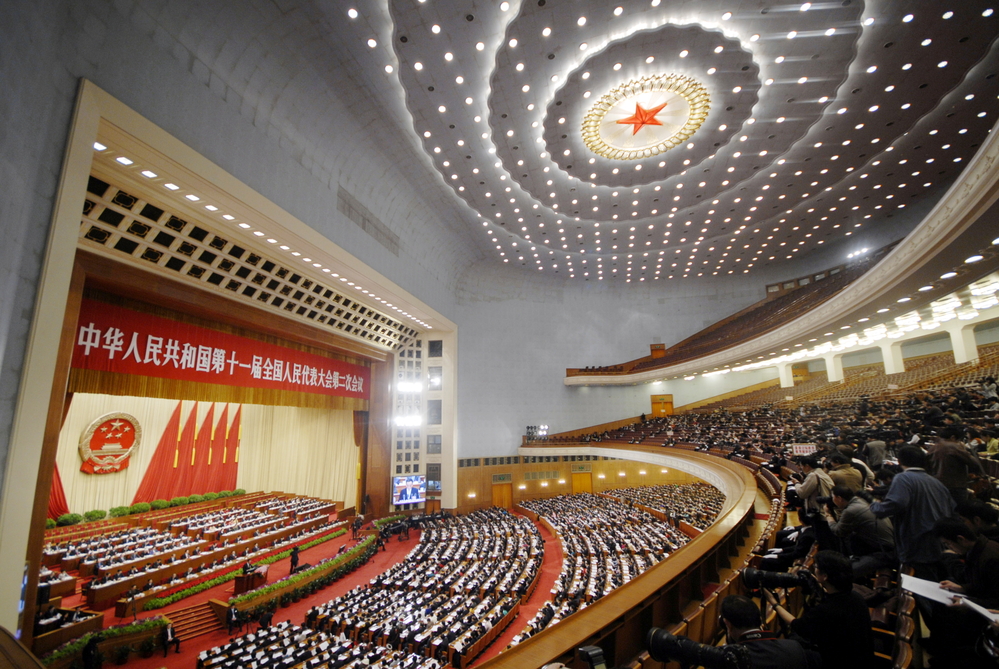
China drafts law to boost private sector confidence amid regulatory uncertainty
China has initiated the drafting of a law aimed at fostering the growth of the private sector economy, signaling its latest effort to bolster confidence within the nation. The law will address the fundamental concerns of private enterprises, such as safeguarding their property rights, ensuring the interests…