
China made half of the world’s major lithium deals since 2018
- August 29, 2023
- Posted by: Quatro Strategies
- Categories: China, EVs & Battery Technology, Mining & Metals

China’s influence in the critical minerals sector, particularly lithium, is deepening as Chinese firms increase their acquisitions of lithium assets worldwide. Chinese companies have been involved in half of the major lithium deals valued at over $100 million since 2018, amounting to more than $7.9 billion. The Chinese government is expected to continue supporting such activities as it considers these sectors crucial to the country’s core strategy.
Lithium is a vital component in the transition to clean energy and is classified as “essential to the economic or national security of the United States.” Despite this, Chinese firms have been particularly active in the lithium market, with an uptick in acquisitions since 2021 as lithium prices surged. This trend has implications for global competition between China and the United States for dominance in the lithium market, which is essential for electric vehicles, renewable energy, and various technologies.
Key players in the Chinese lithium sector include Ganfeng Lithium and Tianqi Lithium, which are seeking to secure upstream raw materials to expand their production capacities. Metal miners like Zijin Mining Group are also entering the lithium market to diversify their portfolios and capitalize on the mineral’s growth potential.
Despite facing more restrictive foreign investment policies in some countries, Chinese companies are expanding their presence in regions such as Argentina, Mali, Mexico, and Africa. China has also secured most of the lithium offtake agreements in Africa, giving it significant influence in the global lithium supply chain.
This growing Chinese influence in the lithium sector could impact the competition between China and the US, and it has implications for both countries’ strategies to achieve energy transition goals while reducing reliance on foreign sources.
Interested in learning more?
Sign up for Top Insights Today

Top Insights Today delivers the latest insights straight to your inbox.
You will get daily industry insights on
Oil & Gas, Rare Earths & Commodities, Mining & Metals, EVs & Battery Technology, ESG & Renewable Energy, AI & Semiconductors, Aerospace & Defense, Sanctions & Regulation, Business & Politics.
Read more insights
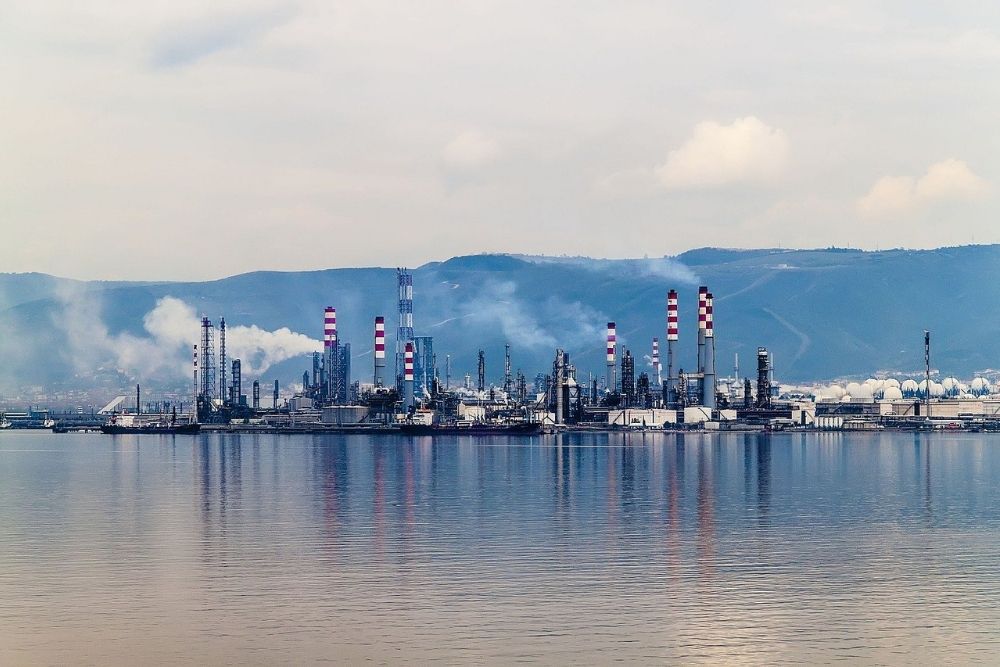
Stricter US measures against Iran spark concerns among China’s private oil refiners
As the US House of Representatives passed stricter measures against Iran in response to recent events, including an attack on Israel, China’s private oil refiners are preparing for potential fresh US sanctions on Iranian exports. These refiners, known as teapot refiners, are key players in China’s oil industry…
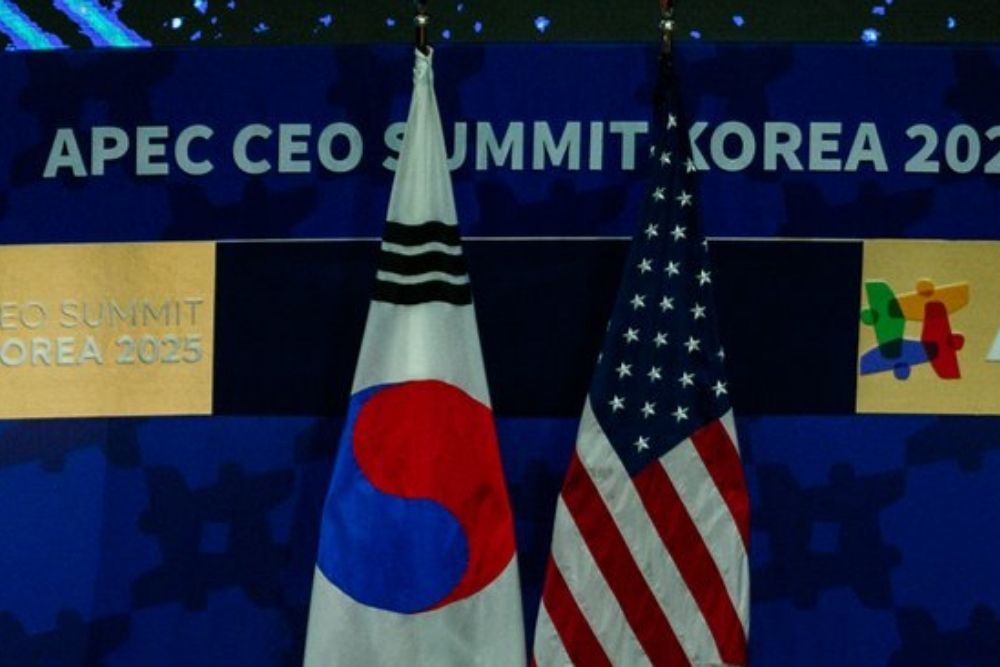
U.S.-Korea deal to cut auto tariffs to 15%, adds $350B investment track
Seoul’s top economic aide just sketched a sweeping, if still unconfirmed, trade and investment package with Washington that rewires the U.S.-Korea relationship on three fronts: market access, capital flows, and industrial cooperation. On tariffs, the headline change is a U.S. cut to 15% on Korean autos and parts from 25%, aligning Korea’s treatment with Japan’s and immediately improving the price math for Hyundai, Kia, and their suppliers in the American market.
Korea also secured zero duties on aircraft parts and generics and preferential rates for wood products and pharmaceuticals, while ring-fencing politically sensitive farm items like rice and beef from new concessions. Seoul says it also obtained assurances that its semiconductor champions will not be disadvantaged relative to Taiwanese peers, code for parity in tariff treatment and procurement access at a time when chip supply chains are being hard-walled by geopolitics.
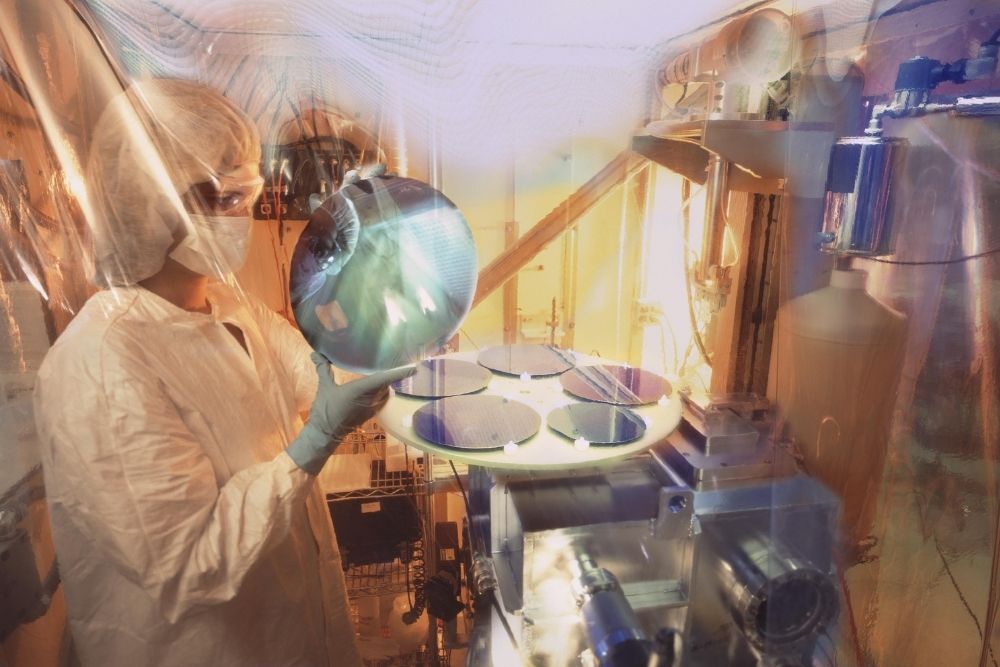
New Chinese rare earth export licenses snarl chipmaking supply chains
Beijing has turned the rare-earths dial from leverage to choke point, and the shock is rippling through the chip world. China’s new rules force overseas companies to obtain licenses not only for discrete rare-earth oxides and metals, but for any good that contains even trace amounts of Chinese rare earths, explicitly naming parts used in semiconductor tools and AI-adjacent systems.
Washington answered within hours with a sweeping tariff hike and a threat to clamp down on “any and all critical software” sales to China. For a supply chain that already runs hot, the pair of measures raises the specter of weeks-long delays, cost spikes in rare-earth-dependent magnets and lasers, and a mess of compliance checks that could slow everything from chipmaking tools to high-end servers.