
Rio Tinto, First Quantum make JV agreement for Peru copper mine
- August 30, 2023
- Posted by: Quatro Strategies
- Categories: Americas, Mining & Metals, Rare Earths & Commodities
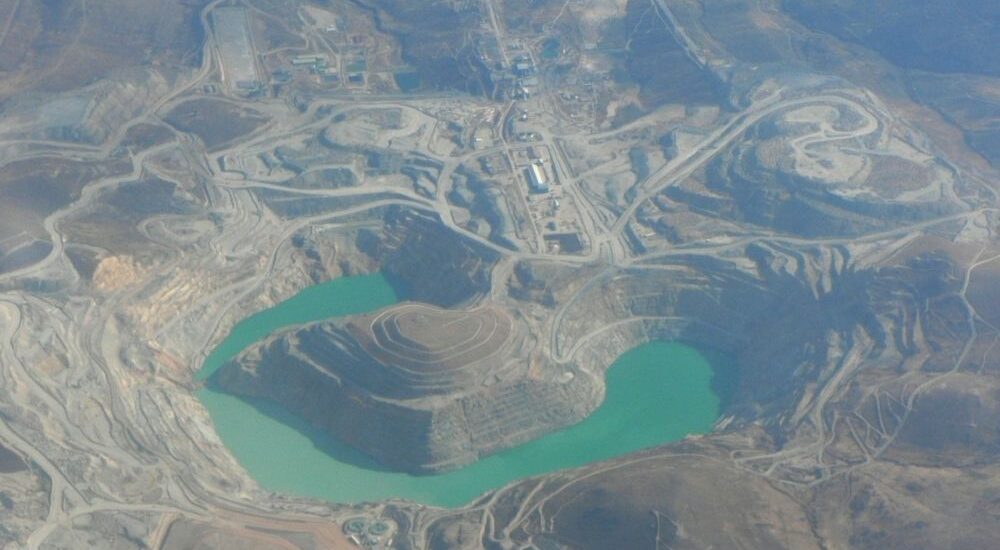
Mining giants Rio Tinto and First Quantum Minerals have entered into a joint venture to develop the La Granja copper project in Peru. First Quantum has acquired a 55% stake in the project by paying $105 million to Rio Tinto and will be the operator. As part of the deal, First Quantum has committed to investing up to $546 million into the project, with a portion of the funds allocated to completing a feasibility study over the next two to three years. La Granja is considered one of the world’s largest undeveloped copper deposits, with significant potential for expansion.
Located at an altitude of 2,000 to 2,800 meters in northern Peru’s Cajamara province, the La Granja project is a complex undertaking. Previous reserve estimates indicate significant copper resources, with 4.32 billion tonnes of indicated and inferred mineral resources at a grade of 0.51% copper. The development of La Granja aligns with the growing demand for copper as the world transitions to a greener economy and increases its reliance on clean energy technologies.
Tristan Pascall, CEO of First Quantum, highlighted the project’s potential to be a large, long-life operation that could contribute to the global supply of copper for the energy transition. Rio Tinto’s Copper Division CEO, Bold Baatar, echoed this sentiment, emphasizing that La Granja’s development would further strengthen Rio Tinto’s materials portfolio for the energy transition.
Rio Tinto originally acquired the La Granja Project from the Peruvian government in 2006 and subsequently conducted extensive drilling to expand the understanding of the orebody. The joint venture signifies a strategic move for both companies to tap into the growing demand for copper in the context of global efforts to reduce carbon emissions and promote sustainable technologies.
Interested in learning more?
Sign up for Top Insights Today

Top Insights Today delivers the latest insights straight to your inbox.
You will get daily industry insights on
Oil & Gas, Rare Earths & Commodities, Mining & Metals, EVs & Battery Technology, ESG & Renewable Energy, AI & Semiconductors, Aerospace & Defense, Sanctions & Regulation, Business & Politics.
Read more insights

U.S. drone ruling turns equipment authorization into a national security chokepoint
The FCC’s decision to place DJI, Autel, and, more broadly, all foreign-made drones and “critical components” on its national security “Covered List” is best understood as a regulatory choke point rather than an immediate confiscation-style ban.
In practical terms, it cuts off the equipment-authorization pathway that most wireless devices need before they can be imported, marketed, or sold in the United States. Once a category of equipment is on the Covered List, it is ineligible for new FCC equipment authorizations, meaning manufacturers cannot obtain approvals for new drone models or key parts that require FCC sign-off.

Raizen and BYD join forces to boost electric vehicle infrastructure in Brazil
Brazilian sugar and ethanol company Raizen and Chinese automaker BYD have joined forces to establish a network of 600 electric vehicle (EV) charging stations across eight Brazilian cities. Over the next three years, charging points, operating under the Shell Recharge brand, will be strategically…
Oil markets reel as U.S.-China trade clash escalates
Global oil prices plunged on Friday, driven lower by a potent mix of geopolitical risk and supply-side pressure, as financial markets reeled from a fresh escalation in the global trade conflict between the U.S. and China. Brent crude tumbled $5.30, or 7.6%, to $64.84 per barrel by early afternoon in London, while U.S. benchmark West Texas Intermediate (WTI) slumped $5.47, or 8.2%, to $61.48.
Both contracts were headed for their steepest weekly declines in over two years and are poised to settle at levels not seen since the depths of the COVID-19 pandemic in 2021. The latest catalyst came from Beijing, which retaliated forcefully against a sweeping new wave of U.S. tariffs announced by President Donald Trump earlier this week.