
Rio Tinto, First Quantum make JV agreement for Peru copper mine
- August 30, 2023
- Posted by: Quatro Strategies
- Categories: Americas, Mining & Metals, Rare Earths & Commodities
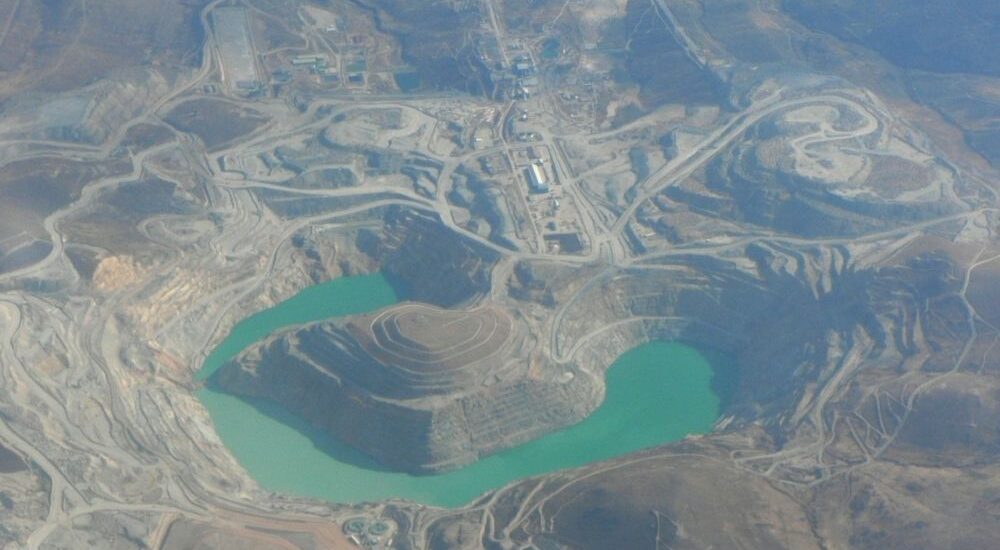
Mining giants Rio Tinto and First Quantum Minerals have entered into a joint venture to develop the La Granja copper project in Peru. First Quantum has acquired a 55% stake in the project by paying $105 million to Rio Tinto and will be the operator. As part of the deal, First Quantum has committed to investing up to $546 million into the project, with a portion of the funds allocated to completing a feasibility study over the next two to three years. La Granja is considered one of the world’s largest undeveloped copper deposits, with significant potential for expansion.
Located at an altitude of 2,000 to 2,800 meters in northern Peru’s Cajamara province, the La Granja project is a complex undertaking. Previous reserve estimates indicate significant copper resources, with 4.32 billion tonnes of indicated and inferred mineral resources at a grade of 0.51% copper. The development of La Granja aligns with the growing demand for copper as the world transitions to a greener economy and increases its reliance on clean energy technologies.
Tristan Pascall, CEO of First Quantum, highlighted the project’s potential to be a large, long-life operation that could contribute to the global supply of copper for the energy transition. Rio Tinto’s Copper Division CEO, Bold Baatar, echoed this sentiment, emphasizing that La Granja’s development would further strengthen Rio Tinto’s materials portfolio for the energy transition.
Rio Tinto originally acquired the La Granja Project from the Peruvian government in 2006 and subsequently conducted extensive drilling to expand the understanding of the orebody. The joint venture signifies a strategic move for both companies to tap into the growing demand for copper in the context of global efforts to reduce carbon emissions and promote sustainable technologies.
Interested in learning more?
Sign up for Top Insights Today

Top Insights Today delivers the latest insights straight to your inbox.
You will get daily industry insights on
Oil & Gas, Rare Earths & Commodities, Mining & Metals, EVs & Battery Technology, ESG & Renewable Energy, AI & Semiconductors, Aerospace & Defense, Sanctions & Regulation, Business & Politics.
Read more insights
U.S. LNG exports hit record high, cementing role as global energy backstop
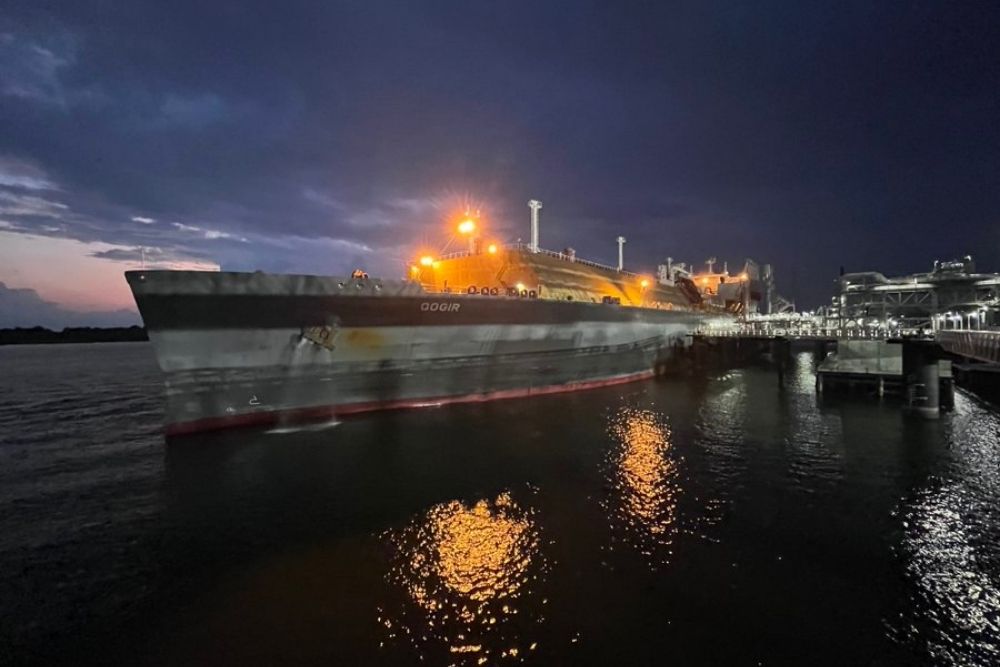
U.S. liquefied natural gas (LNG) exports hit a fresh record in August, underscoring Washington’s dominance in the global gas trade just as Europe and parts of the developing world lean more heavily on American supply to balance energy markets. Preliminary data showed exports at 9.33 million metric tons, topping the previous high of 9.25 million tons in April and extending the U.S.’s lead as the world’s largest LNG exporter.
Much of the surge came from Venture Global’s Plaquemines LNG facility in Louisiana, which is still ramping up but has quickly become central to America’s export machine. In August, Plaquemines supplied 1.6 million tons, about 17% of all U.S. shipments. Once the project’s 18 production trains are fully operational, output will rise even further, cementing the U.S. as the indispensable supplier in a market where Europe, Asia, and emerging economies are competing for cargoes.
Japan’s $550 billion U.S. investment pledge turns to American banks
JPMorgan and other American banks are close to agreeing to provide some of the financing under Japan’s 550-billion-dollar American investment pledge, a workaround that would help Tokyo deliver on the commitments extracted in the July 2025 tariff deal while relieving the Japanese megabanks whose yen funding base makes the huge, long-term dollar procurement painfully expensive.
The arrangement’s irony hardly needs underlining: the investment scheme conceived as the Japanese capital deployed into the American economy may proceed on the American capital lending to itself, with the Japanese sovereign guarantee and the diplomatic credit accruing to Tokyo, the financial engineering that converts the tribute into the syndication.
DR Congo wields cobalt power to rebalance between China and West
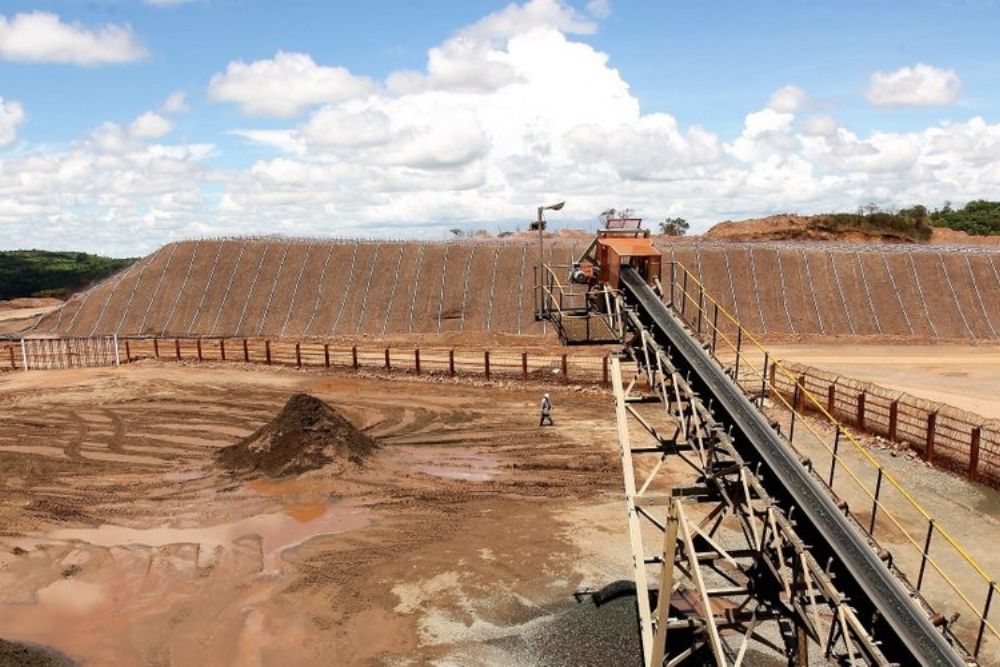
The Democratic Republic of Congo is wielding its dominance of the global cobalt market with increasing strategic sophistication, using export restrictions to drain the market of excess and lift prices while simultaneously seeking to reduce its reliance on Chinese operators and pivot toward the West, particularly the United States.
The world’s largest producer of the strategic metal, which is used in everything from mobile phones to stealth bombers, is engaged in a complex rebalancing act that combines the assertion of greater control over its cobalt sector with the effort to diversify its partnerships and to integrate its artisanal mining into the official sector in ways that would satisfy the ethical concerns of Western buyers.