
Australia, EU set to resume talks on free trade agreement
- August 31, 2023
- Posted by: Quatro Strategies
- Categories: Asia Pacific, Business & Politics, Europe, Mining & Metals
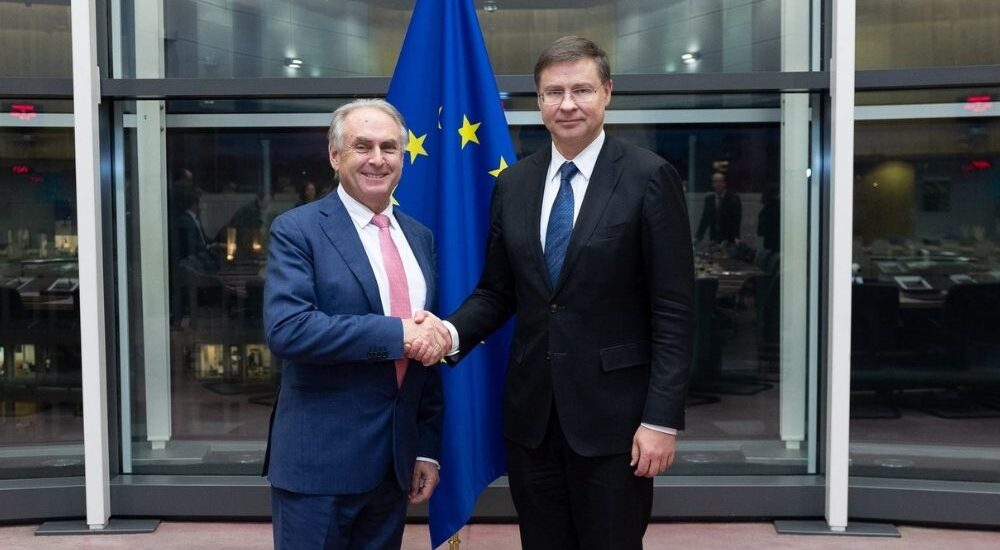
Australia and the European Union are set to resume negotiations on a free trade agreement that was stalled in July due to disagreements over market access for Australian agricultural exports. Australian Trade Minister Don Farrell and EU Commissioner Valdis Dombrovskis are scheduled to hold talks via teleconference to address the differences in their positions. The aim is to bridge the gap and potentially finalize the free trade agreement that has been under negotiation for more than five years.
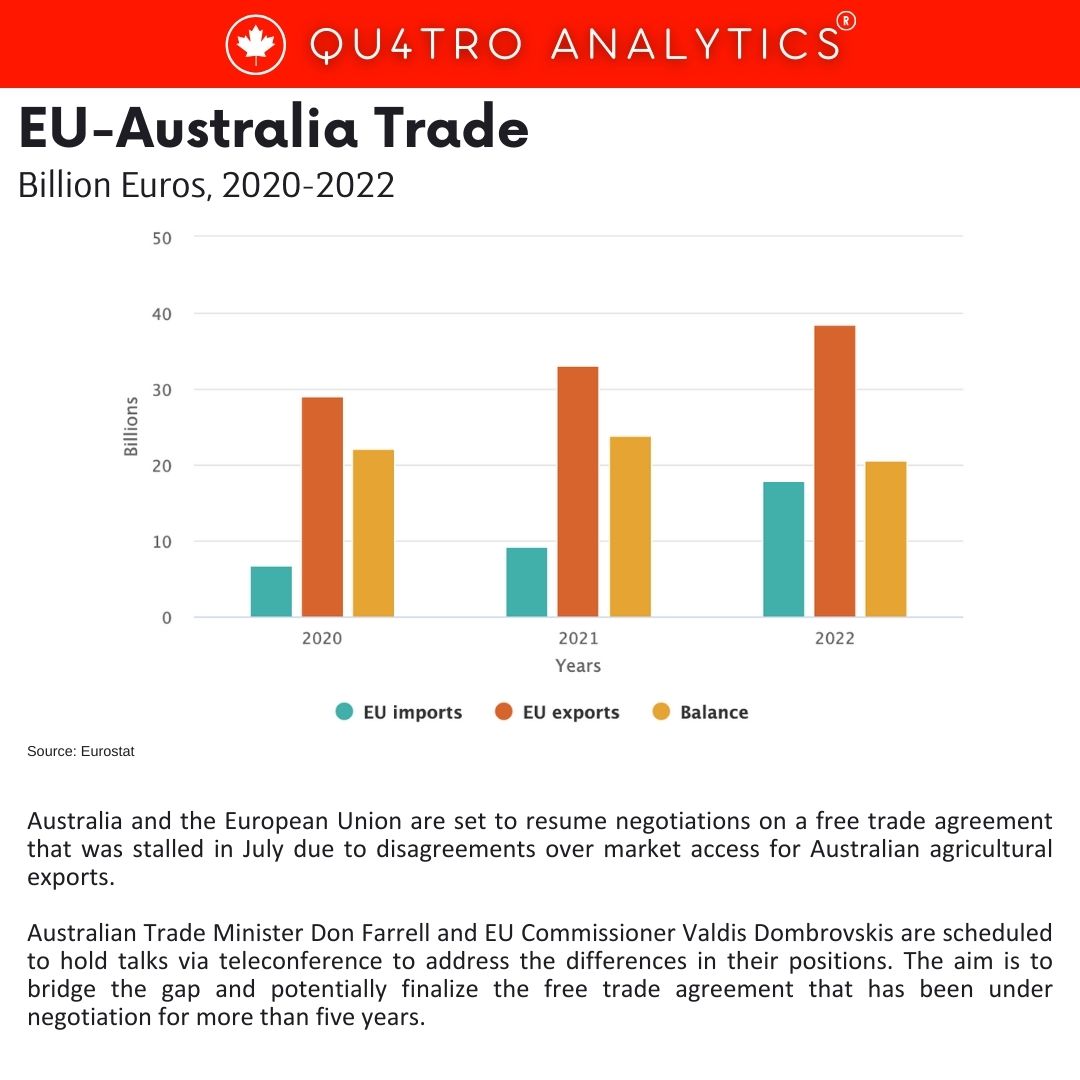
Trade in goods between the EU and Australia was significant last year, totaling €56.4 billion ($62.1 billion). However, discussions on the free trade agreement have faced challenges, particularly regarding the level of access for Australian agricultural products like beef, dairy, and sugar into the European market. Geographic indicators for certain produce items, such as prosecco and brie, have also been points of contention.
 Australia has sought greater concessions from the EU in return for its demands. Meanwhile, EU negotiators have expressed difficulties in agreeing on import quotas for Australian agricultural goods.
The resumption of negotiations comes after the previous stalemate dashed hopes of finalizing the agreement earlier in the year. Despite the challenges, both sides have expressed determination to continue the negotiations and find a mutually beneficial resolution.
The EU is particularly interested in this agreement due to its potential for greater access to Australia’s substantial reserves of critical minerals like lithium. These minerals are essential for high-tech manufacturing and the global transition to green energy sources.
Interested in learning more?
Sign up for Top Insights Today

Top Insights Today delivers the latest insights straight to your inbox.
You will get daily industry insights on
Oil & Gas, Rare Earths & Commodities, Mining & Metals, EVs & Battery Technology, ESG & Renewable Energy, AI & Semiconductors, Aerospace & Defense, Sanctions & Regulation, Business & Politics.
Read more insights
U.S.-EU trade pact anchors $750B energy deal, boosting LNG developers
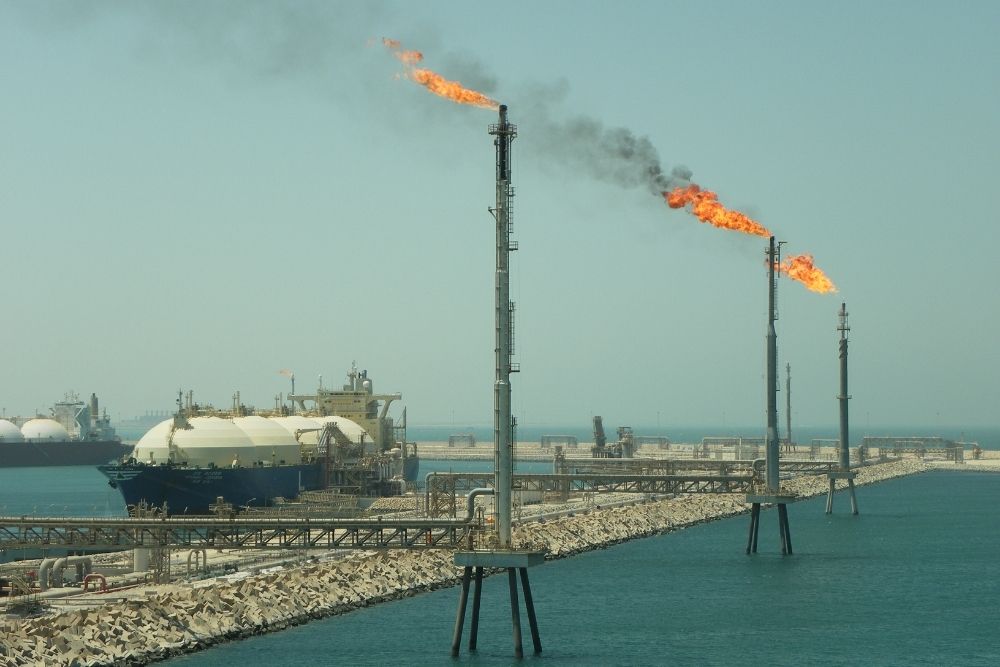
The rally in U.S. liquefied natural gas (LNG) developers on Monday reflected investor optimism after the European Union pledged $750 billion in strategic energy purchases from the U.S. as part of a new EU-U.S. framework trade pact announced by President Donald Trump and European Commission President Ursula von der Leyen.
The agreement represents one of the most geopolitically significant transatlantic trade deals in years, with broad implications across energy, industrial competitiveness, and U.S.-EU relations.
Europe’s gas crisis is bringing coal back into the electricity Mix
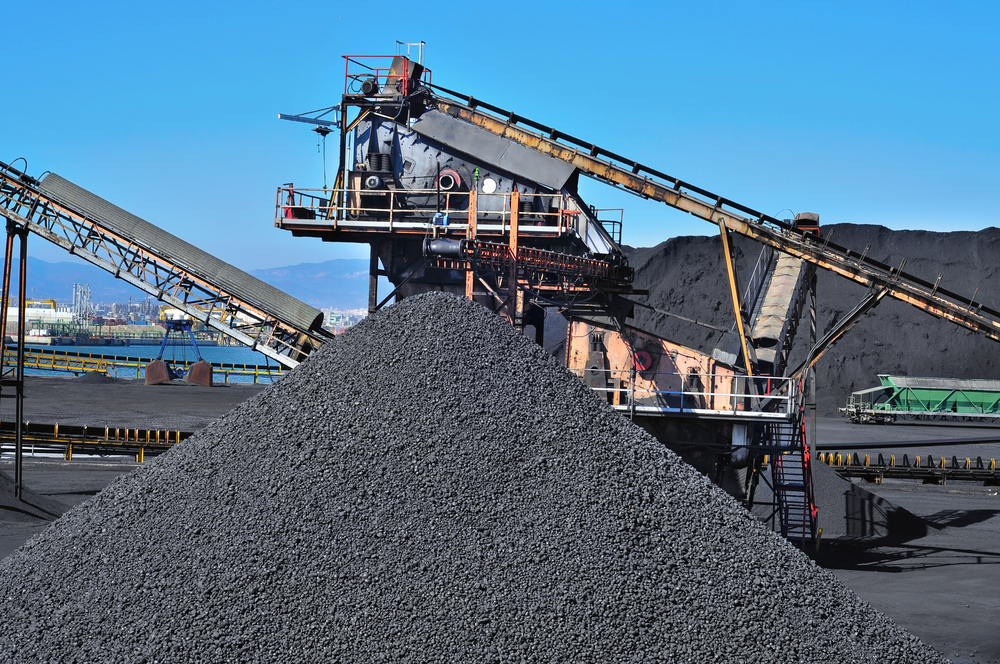
Europe’s gas crisis is giving coal a renewed role in electricity generation, reversing part of the shift toward cleaner fuels. With LNG supplies from the Gulf disrupted and benchmark European gas prices exceeding €80 per megawatt-hour this month, utilities are finding it increasingly economical to run their remaining coal and lignite plants.
Analysts expect coal-fired output to rise by roughly 25% over the next six months, alongside a similarly sized percentage decline in gas generation. The immediate benefit is reduced gas consumption, but the remaining coal fleet offers limited protection against another deterioration in supply.
GM secures domestic magnet supply to curb China dependence
General Motors (GM) has signed a new agreement with Texas-based Noveon Magnetics Inc. to supply rare-earth magnets for its full-size pickup trucks and SUVs, marking a critical step in its broader push to localize the supply of materials vital to the automotive and defense industries. This is GM’s third such deal with U.S.-based suppliers, as it accelerates efforts to reduce dependence on China, a country that has long dominated the global rare-earth magnet trade.
Alongside Noveon, GM has also entered into supply contracts with MP Materials Corp., headquartered in Las Vegas, and E-Vac Magnetics, a South Carolina-based unit of Germany’s Vacuumschmelze GmbH. With these deals, the automaker says it will be able to source the majority of its rare-earth magnets for key vehicle platforms from domestic suppliers.