
China’s manufacturing activity shrinks for the fifth consecutive month in August
- August 31, 2023
- Posted by: Quatro Strategies
- Categories: Business & Politics, China
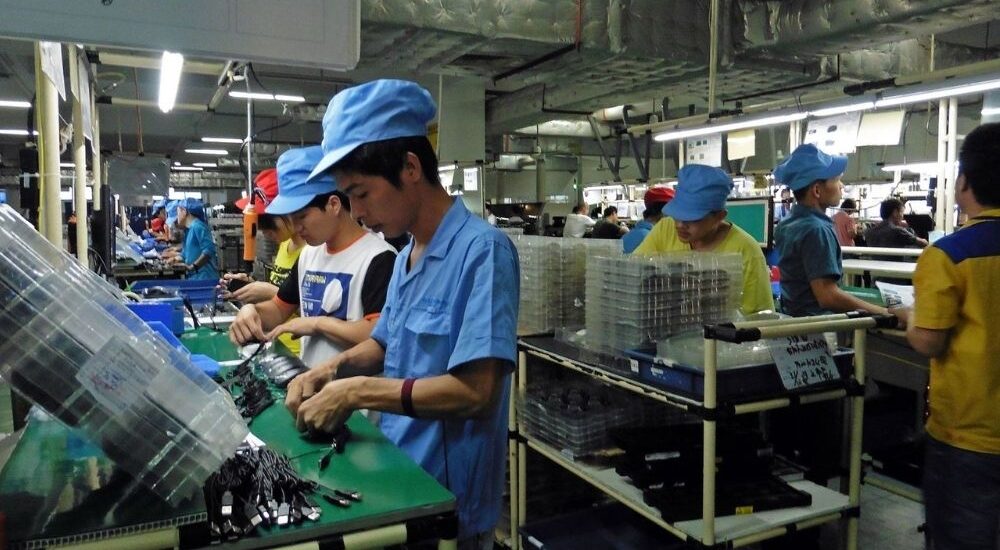
China’s manufacturing activity continued to contract for the fifth consecutive month in August, as indicated by the official purchasing managers’ index (PMI) released by the National Bureau of Statistics. The PMI rose to 49.7 from 49.3 in July, but it remained below the 50-point level that signifies contraction in the sector. This ongoing contraction puts pressure on Chinese officials to take measures to support economic growth, especially in the face of soft demand both domestically and internationally.
Despite the persistent contraction, there were some positive signs in the data. New orders returned to expansion for the first time in five months, and factory owners reported improvements in producer prices for the first time in seven months. However, the services sector continued to decline.
The PMI reading of 49.7 suggests that while conditions did not significantly worsen, the challenges facing China’s manufacturing sector persist. The country’s major manufacturing rivals in the region, Japan and South Korea, also reported declines in output.
Analysts and economists are cautiously optimistic about the future trajectory of China’s economic growth. Some believe that with the right policy support, a sequential uptick in growth activity could still be possible in the third quarter. China has introduced various measures to stimulate economic activity, including a cut in stock-trading stamp duties and guidelines for affordable housing to improve access to first-home mortgages.
However, the challenges are significant, including a worsening property slump, weak consumer spending, and credit growth. The global economic slowdown and factors like higher interest rates and inflation in major export markets continue to dampen demand for Chinese goods. Policymakers are under pressure to boost domestic demand and manage the balance between stimulating growth and addressing debt risks.
While the data indicates some positive developments, the effectiveness of policy support and its actual implementation will be crucial indicators to watch in the coming months. China’s economic outlook remains uncertain as it navigates these complex challenges and aims to achieve stable growth amid changing global dynamics.
Interested in learning more?
Sign up for Top Insights Today

Top Insights Today delivers the latest insights straight to your inbox.
You will get daily industry insights on
Oil & Gas, Rare Earths & Commodities, Mining & Metals, EVs & Battery Technology, ESG & Renewable Energy, AI & Semiconductors, Aerospace & Defense, Sanctions & Regulation, Business & Politics.
Read more insights
US extends suspension of tariffs on EU steel and aluminum for two more years
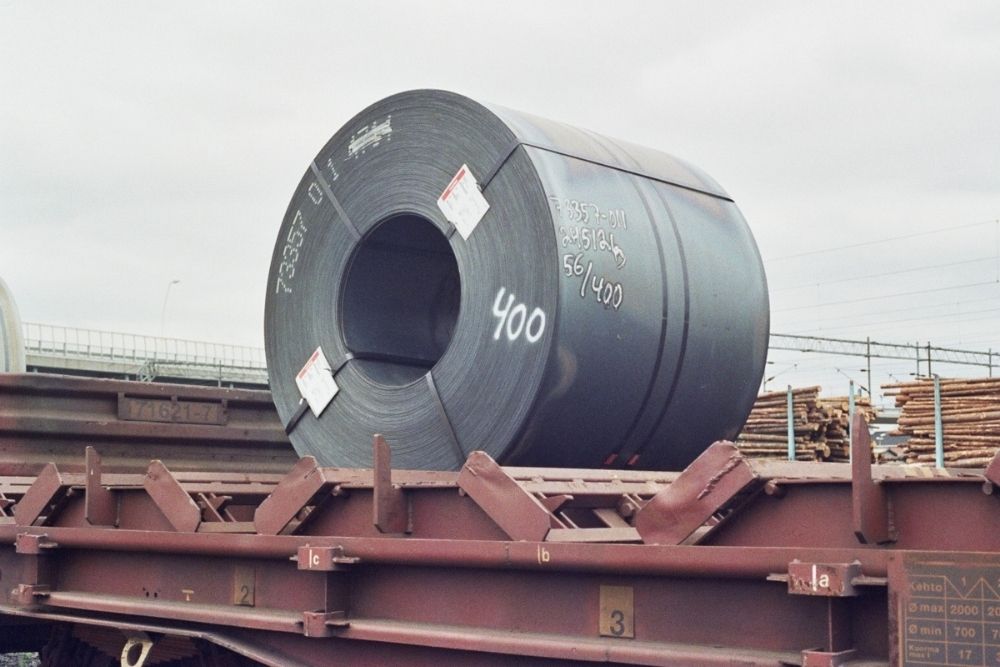
U.S. President Joe Biden announced the extension of the suspension of tariffs on European Union (EU) steel and aluminum for an additional two years. This move aims to facilitate ongoing negotiations addressing issues related to overcapacity and the promotion of low-carbon production…
Australian lithium miners implement cost-cutting measures amidst declining prices
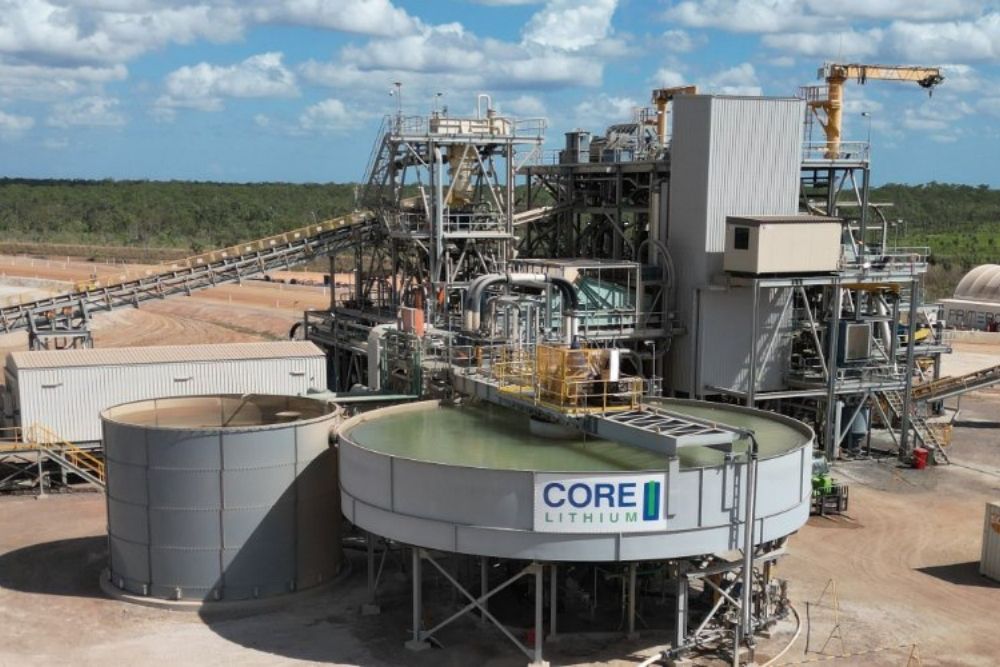
Australian lithium miners are taking significant cost-cutting measures in response to the downward trend in lithium prices, a critical component in electric vehicle (EV) batteries. Core Lithium Ltd. has announced plans to cut jobs across its organization during the March quarter, attributing the…

GM recommits to gasoline vehicles with $4 billion U.S. investment
General Motors (GM) announced Tuesday a strategic pivot in its vehicle production roadmap, revealing plans to invest approximately $4 billion over the next two years to expand output of internal combustion engine (ICE) vehicles at three major U.S. plants. The move reflects mounting headwinds in the electric vehicle (EV) sector, geopolitical shifts in trade policy, and renewed political pressure to prioritize domestic manufacturing.
The Detroit-based automaker will repurpose its Orion Assembly plant in Michigan—originally slated to begin producing electric trucks in 2025—to instead manufacture full-size, gasoline-powered SUVs and light-duty pickup trucks starting in early 2027. The decision represents a significant recalibration of GM’s public goal to phase out gasoline and diesel vehicle production by 2035.