
Canadian province of Newfoundland chose four companies to build wind farms
- August 31, 2023
- Posted by: Quatro Strategies
- Categories: Americas, ESG & Renewable Energy, Europe
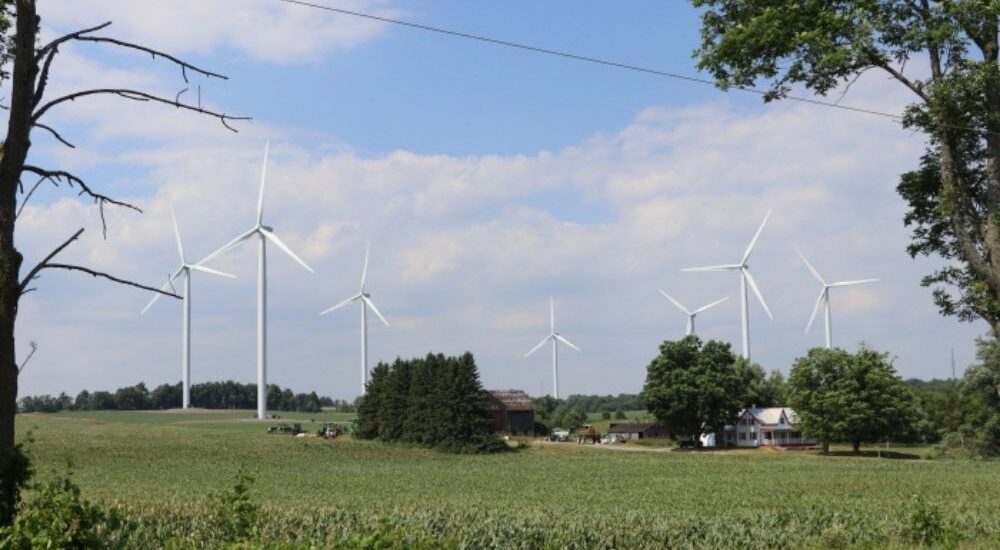
Newfoundland and Labrador, a province in Canada’s Atlantic region, has selected four companies to develop wind farms aimed at supplying power for new hydrogen plants. These projects, however, are conditional on receiving further approvals. The province’s move aligns with Canada’s commitment to supply green hydrogen to Germany by 2025, as part of its efforts to overcome challenges like equipment shortages and local opposition.
The companies selected for the wind farm projects are EverWind NL Company, Exploits Valley Renewable Energy Corp, ABO Wind, and World Energy GH2. They have been given the opportunity to apply for approval to use government land, subject to environmental assessment. This selection follows a narrowing down process from a total of 24 bids, with nine projects advancing to further evaluation in July.
Hydrogen, produced through water electrolysis, is considered a low-emission fuel that can contribute to decarbonizing industries and transportation. It’s labeled as “green” if generated using renewable energy and “gray” if powered by carbon-emitting natural gas. However, there have been debates about the efficiency of using Canadian renewable power to produce hydrogen and ship it to Europe, considering competition from other regions, like the U.S. Gulf Coast.
One of the selected companies, World Energy GH2, submitted its environmental impact statement for its hydrogen project to the provincial government this month. The company hopes to start hydrogen production in 2025. However, concerns have been raised by residents about the impact of wind farms on the local landscape. World Energy GH2 plans to seek off-take agreements with hydrogen buyers and raise additional equity once the federal government finalizes tax credits for green hydrogen plants.
The CEO of World Energy GH2, Sean Leet, expressed the belief that the hydrogen market will face supply shortages in the foreseeable future, contributing to the urgency of such projects.
Interested in learning more?
Sign up for Top Insights Today

Top Insights Today delivers the latest insights straight to your inbox.
You will get daily industry insights on
Oil & Gas, Rare Earths & Commodities, Mining & Metals, EVs & Battery Technology, ESG & Renewable Energy, AI & Semiconductors, Aerospace & Defense, Sanctions & Regulation, Business & Politics.
Read more insights
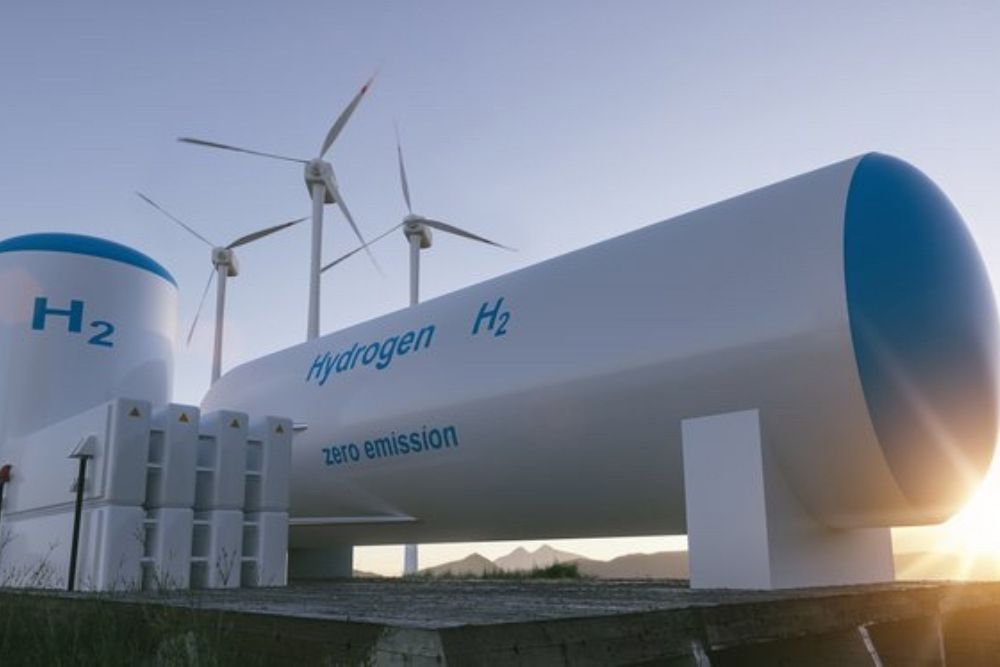
Germany approves €19 billion hydrogen network to propel energy transition
Germany has approved plans for a €19 billion hydrogen network, reaffirming its commitment to hydrogen as a key component of its energy transition, despite recent challenges. The German Federal Network Agency has sanctioned proposals from transmission system operators for a vast 9,040-kilometer hydrogen grid…
China’s slowing economy strains European luxury and automotive sectors
European companies are increasingly feeling the strain from China’s economic slowdown, with luxury brands and car manufacturers among the most impacted. Major names like Hugo Boss, Burberry Group, Daimler Truck, and LVMH have all reported declines in sales due to cautious consumer spending in China. LVMH, for instance…
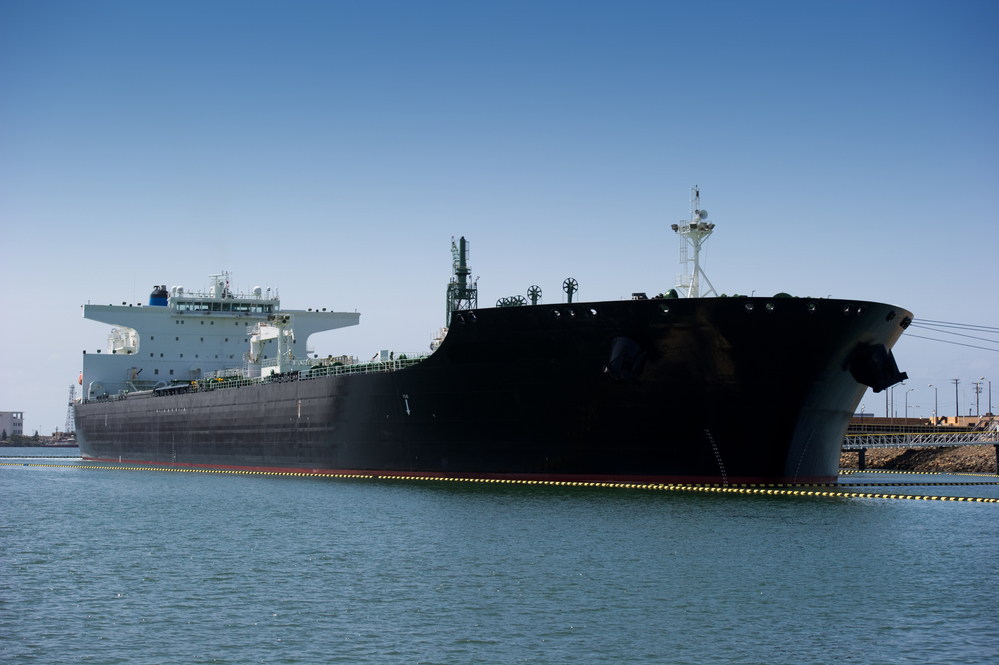
China slams shut fuel exports as Iran conflict threatens supply
China’s leadership has moved from gently throttling refined-product exports to slamming the door shut. The National Development and Reform Commission has ordered an immediate March ban on exports of gasoline, diesel and aviation fuel for cargoes that had not cleared customs by March 11, with aviation bunkering jet fuel carved out as an exception.
The practical effect is to freeze a trade flow that Chinese refiners had expected to expand in late winter, when domestic demand typically softens around the Lunar New Year and export margins often look attractive. Instead of monetizing overseas cracks, Beijing is prioritizing domestic continuity as the Iran war raises the risk of a prolonged disruption in crude and product movements out of the Gulf.