
Canadian province of Newfoundland chose four companies to build wind farms
- August 31, 2023
- Posted by: Quatro Strategies
- Categories: Americas, ESG & Renewable Energy, Europe
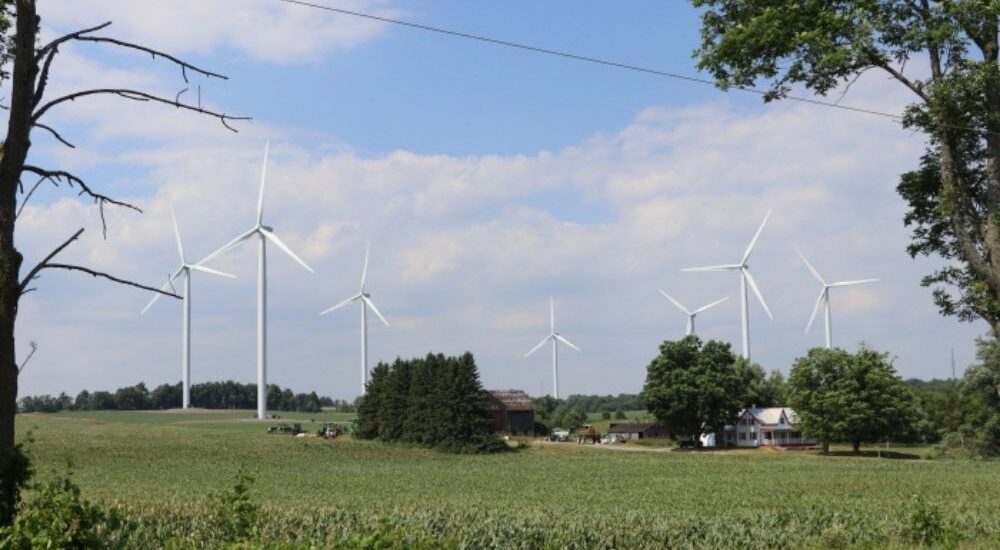
Newfoundland and Labrador, a province in Canada’s Atlantic region, has selected four companies to develop wind farms aimed at supplying power for new hydrogen plants. These projects, however, are conditional on receiving further approvals. The province’s move aligns with Canada’s commitment to supply green hydrogen to Germany by 2025, as part of its efforts to overcome challenges like equipment shortages and local opposition.
The companies selected for the wind farm projects are EverWind NL Company, Exploits Valley Renewable Energy Corp, ABO Wind, and World Energy GH2. They have been given the opportunity to apply for approval to use government land, subject to environmental assessment. This selection follows a narrowing down process from a total of 24 bids, with nine projects advancing to further evaluation in July.
Hydrogen, produced through water electrolysis, is considered a low-emission fuel that can contribute to decarbonizing industries and transportation. It’s labeled as “green” if generated using renewable energy and “gray” if powered by carbon-emitting natural gas. However, there have been debates about the efficiency of using Canadian renewable power to produce hydrogen and ship it to Europe, considering competition from other regions, like the U.S. Gulf Coast.
One of the selected companies, World Energy GH2, submitted its environmental impact statement for its hydrogen project to the provincial government this month. The company hopes to start hydrogen production in 2025. However, concerns have been raised by residents about the impact of wind farms on the local landscape. World Energy GH2 plans to seek off-take agreements with hydrogen buyers and raise additional equity once the federal government finalizes tax credits for green hydrogen plants.
The CEO of World Energy GH2, Sean Leet, expressed the belief that the hydrogen market will face supply shortages in the foreseeable future, contributing to the urgency of such projects.
Interested in learning more?
Sign up for Top Insights Today

Top Insights Today delivers the latest insights straight to your inbox.
You will get daily industry insights on
Oil & Gas, Rare Earths & Commodities, Mining & Metals, EVs & Battery Technology, ESG & Renewable Energy, AI & Semiconductors, Aerospace & Defense, Sanctions & Regulation, Business & Politics.
Read more insights
South Africa allows TotalEnergies to drill for offshore oil and gas
South Africa’s Ministry of Environment has given the green light to TotalEnergies for offshore drilling activities aimed at exploring gas and oil in Block 5/6/7 off the Cape coast. This decision follows the rejection of an appeal lodged by numerous individuals and lobby groups attempting to contest the authorization.
Trump’s global tariff war pushes world economy toward point of no return
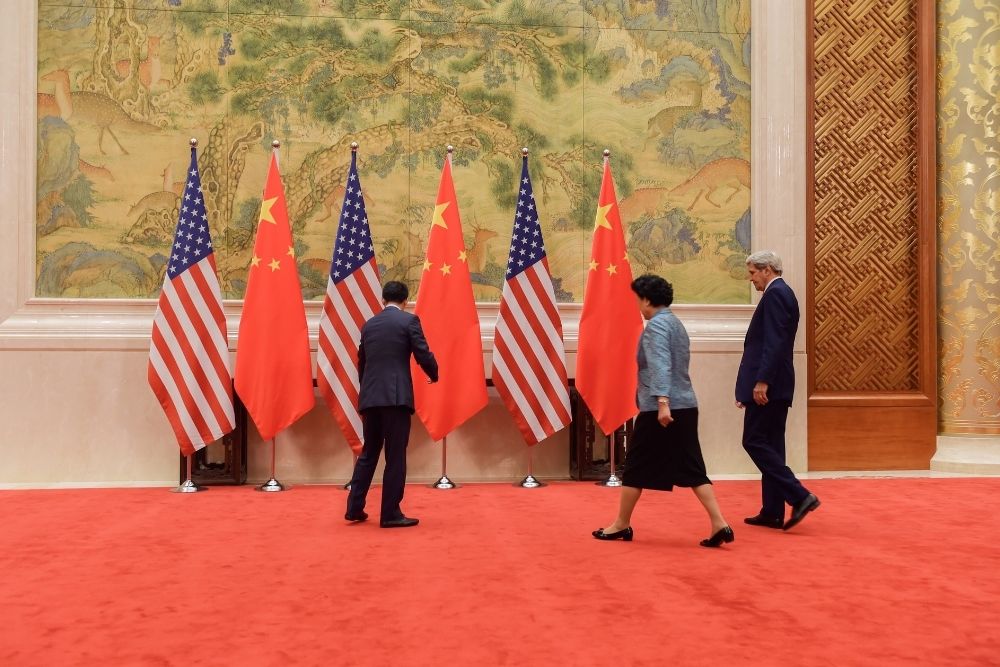
U.S. President Donald Trump is plunging headfirst into a confrontation not just with China, India, and Vietnam, but with nearly every trading partner on Earth, including remote and sparsely inhabited territories. His sweeping imposition of tariffs on imports has drawn a chorus of criticism and triggered retaliatory moves, most notably from China, with others scrambling to negotiate exemptions before the levies take effect next week.
Beijing, no stranger to defensive posturing, responded on Friday with a tit-for-tat tariff of 34% on U.S. imports, matching the rate set by Washington. But the Chinese government is also signaling it has more weapons at its disposal. It has announced tighter controls on exports of rare earth elements—materials critical for everything from electric vehicles to defense systems—and initiated an antitrust probe into the local operations of U.S. chemical giant DuPont.
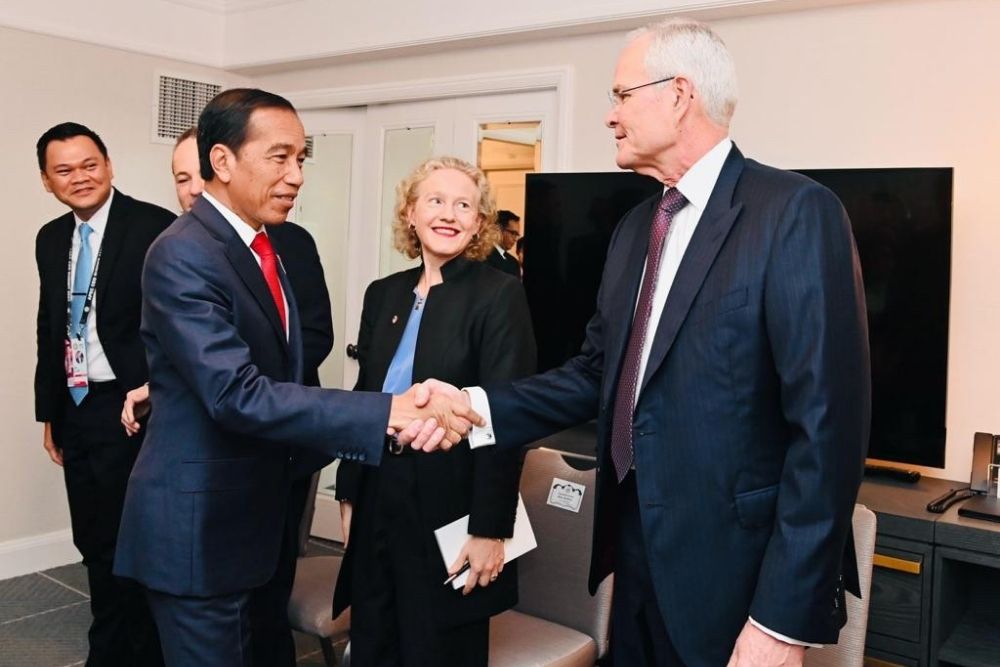
Exxon set to invest $15 billion in Indonesian petrochemicals, CCS facilities
Exxon Mobil is reportedly planning a substantial investment of up to $15 billion in a petrochemical project and carbon capture and storage (CCS) facilities in Indonesia, according to an announcement by President Joko Widodo. This investment includes what is said to be the largest…