
China’s Zijin halts acquisition activities amid high costs, geopolitical tensions
- August 31, 2023
- Posted by: Quatro Strategies
- Categories: China, Mining & Metals, Rare Earths & Commodities

Zijin Mining Group, a prominent Chinese copper and gold mining company, has put the brakes on its acquisition activities due to factors such as high project valuations and geopolitical tensions. Although the company is still exploring merger and acquisition opportunities, its pace of deals has slowed down in comparison to previous years.
Zijin Mining has been known for its aggressive acquisition strategy, having acquired a series of copper and gold mines globally to support its ambitious production goals. Additionally, the company has expanded into the lithium sector to establish a presence in the battery metals market for electric vehicles.
The company’s current approach reflects the challenges it faces, including intense competition for projects and elevated project premiums. This, combined with relatively high metals prices, has prompted Zijin Mining to exercise greater caution in its acquisitions.
Given the existing geopolitical and economic landscape, Zijin Mining intends to increase its investments within China and neighboring countries. The company aims to focus on significant projects that could have a substantial impact on its overall performance. Zijin Mining’s emphasis will remain on gold, copper, zinc, and new energy minerals.
While lithium prices have experienced a significant decline recently, Zijin Mining remains optimistic. The company’s lithium projects are still profitable even in the face of such price fluctuations, and its overall strategy seems to account for potential market volatility.
Interested in learning more?
Sign up for Top Insights Today

Top Insights Today delivers the latest insights straight to your inbox.
You will get daily industry insights on
Oil & Gas, Rare Earths & Commodities, Mining & Metals, EVs & Battery Technology, ESG & Renewable Energy, AI & Semiconductors, Aerospace & Defense, Sanctions & Regulation, Business & Politics.
Read more insights
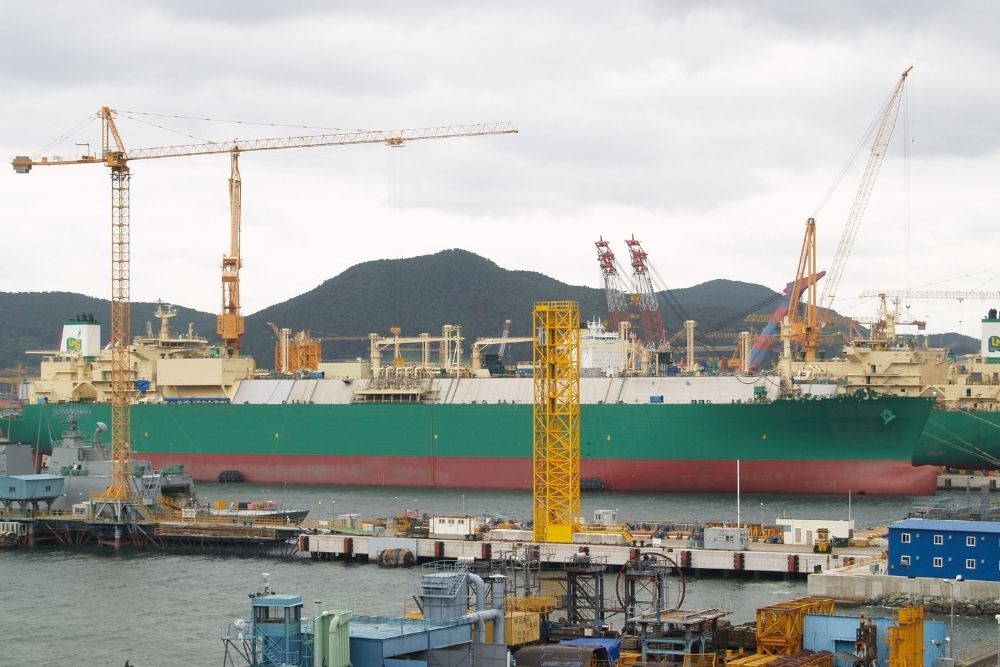
China plans yuan-denominated LNG futures to pull pricing power onshore
China’s plan to list domestic, yuan-denominated LNG futures on the Shanghai Futures Exchange is best understood as an attempt to shift the “control layer” of LNG pricing and risk management closer to home. For years, Chinese buyers have been the largest single source of incremental LNG demand, yet the core hedging benchmarks that shape contract formulas and price expectations sit outside China, anchored in Western or offshore hubs such as Europe’s TTF, U.S. Henry Hub, and Asia’s JKM.
A yuan contract on a major mainland exchange would give Chinese importers a way to manage price swings without defaulting to dollar-based instruments, and it is designed explicitly to create a reason for foreign counterparties with China exposure to trade on Chinese rails as well.
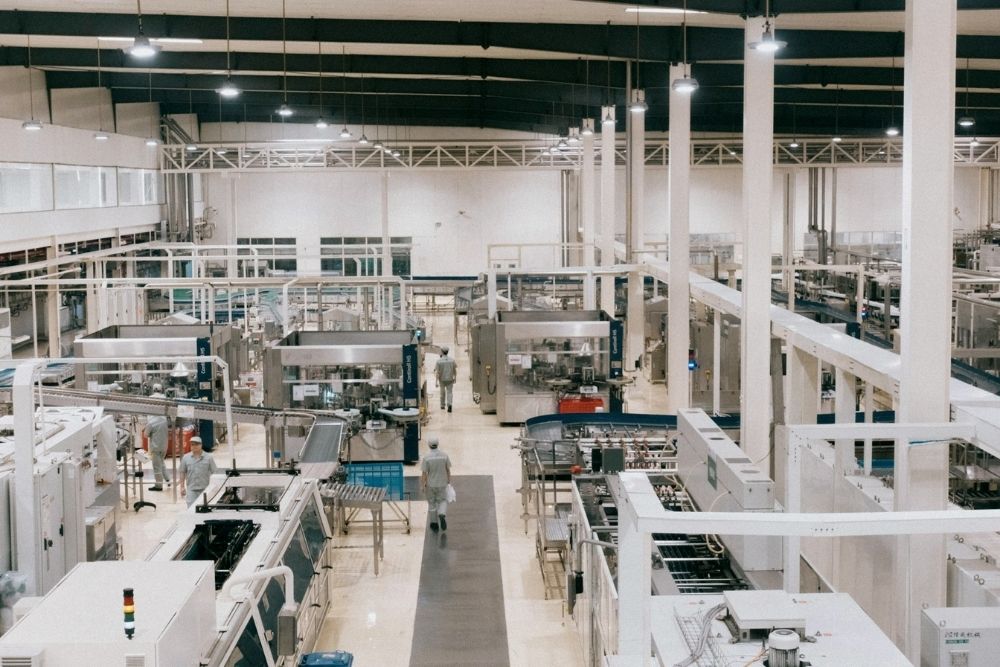
Guangdong’s power price spike exposes China’s LNG vulnerability
Guangdong, China’s most commercially important manufacturing province, is being hit by a sharp rise in electricity prices as disruptions in Middle Eastern gas supply ripple into its power system. The province, whose economy is roughly comparable in scale to South Korea’s, relies more heavily than any other part of China on gas-fired generation.
That dependence has become a liability at a moment when conflict around the Persian Gulf has curtailed fuel shipments and driven up the cost of imported liquefied natural gas. In mid-April, spot electricity prices in Guangdong surged to their highest level in three years, briefly reaching almost 680 yuan per megawatt-hour, far above the roughly 350 yuan average seen the previous month.
Industrial and retail slowdowns expose fragility in China’s recovery
China’s July economic data points to an inflection moment where multiple structural and cyclical weaknesses are converging, forcing Beijing into a more delicate balancing act between targeted support and broader stimulus. The sharp slowdown in both industrial output and retail sales underscores how momentum that was artificially front-loaded in early 2025 is dissipating, revealing underlying fragility in domestic demand.
The industrial slowdown, now at an eight-month low, reflects a combination of global and domestic constraints. Externally, even with a temporary U.S.–China trade truce preventing tariff escalation, the Trump administration’s hardline stance ensures that supply chain risk premiums remain embedded.