
China’s Zijin halts acquisition activities amid high costs, geopolitical tensions
- August 31, 2023
- Posted by: Quatro Strategies
- Categories: China, Mining & Metals, Rare Earths & Commodities
Zijin Mining Group, a prominent Chinese copper and gold mining company, has put the brakes on its acquisition activities due to factors such as high project valuations and geopolitical tensions. Although the company is still exploring merger and acquisition opportunities, its pace of deals has slowed down in comparison to previous years.
Zijin Mining has been known for its aggressive acquisition strategy, having acquired a series of copper and gold mines globally to support its ambitious production goals. Additionally, the company has expanded into the lithium sector to establish a presence in the battery metals market for electric vehicles.
The company’s current approach reflects the challenges it faces, including intense competition for projects and elevated project premiums. This, combined with relatively high metals prices, has prompted Zijin Mining to exercise greater caution in its acquisitions.
Given the existing geopolitical and economic landscape, Zijin Mining intends to increase its investments within China and neighboring countries. The company aims to focus on significant projects that could have a substantial impact on its overall performance. Zijin Mining’s emphasis will remain on gold, copper, zinc, and new energy minerals.
While lithium prices have experienced a significant decline recently, Zijin Mining remains optimistic. The company’s lithium projects are still profitable even in the face of such price fluctuations, and its overall strategy seems to account for potential market volatility.
Interested in learning more?
Sign up for Top Insights Today

Top Insights Today delivers the latest insights straight to your inbox.
You will get daily industry insights on
Oil & Gas, Rare Earths & Commodities, Mining & Metals, EVs & Battery Technology, ESG & Renewable Energy, AI & Semiconductors, Aerospace & Defense, Sanctions & Regulation, Business & Politics.
Read more insights
Germany drafts rooftop solar subsidy cut for new systems up to 25 kW
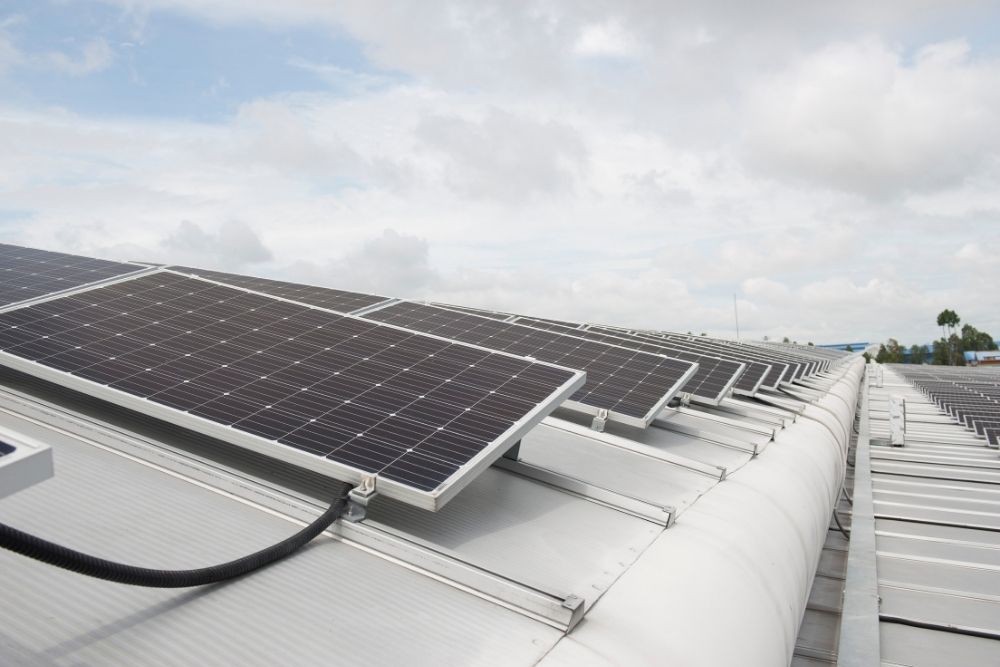
Germany’s economy ministry is preparing a sharp pivot in how it treats small-scale solar: a draft bill would end subsidies for new installations up to 25 kilowatts, essentially the rooftop segment, on the grounds that falling equipment costs have made these systems commercially viable without public support, at least when households or small businesses consume a large share of their own output.
The ministry is presenting this as part of a broader “cost efficiency and security of supply” correction in energy policy rather than as a retreat from renewables, and it is aiming to bring new rules to cabinet discussion by the end of March.

Yellen urges China to reconsider growth strategy during diplomatic visit
US Treasury Secretary Janet Yellen concluded a significant visit to China, urging Chinese leaders to reconsider their economic growth strategy while navigating a delicate balance between strengthening bilateral ties and delivering pointed criticisms. Yellen emphasized concerns over China’s economic…
India’s battery ambitions still run through Chinese technology
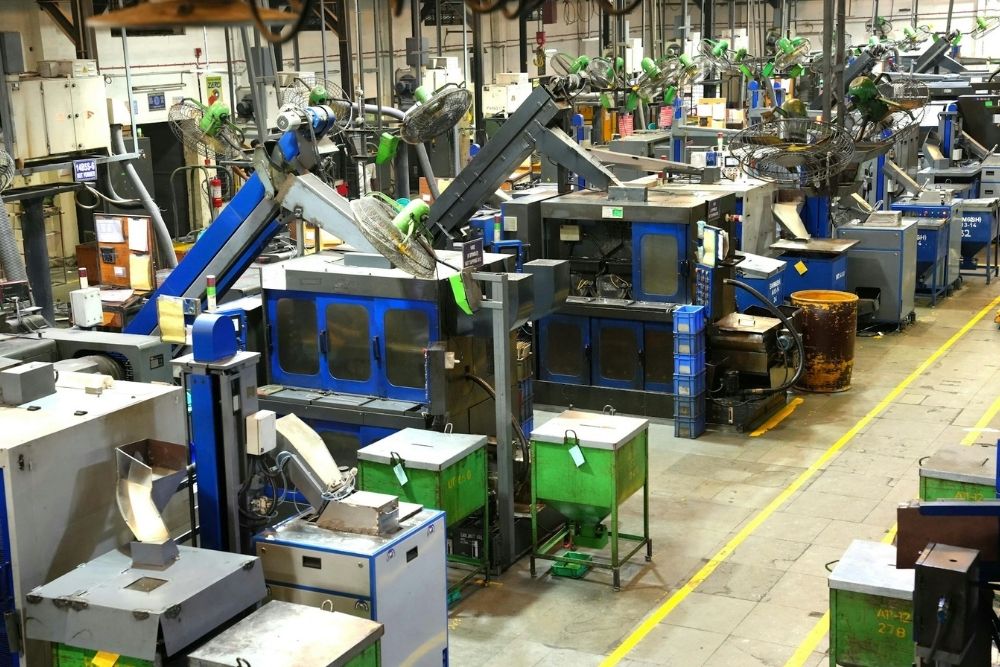
India’s attempt to build a serious domestic battery industry is running into a hard geopolitical reality: in the most advanced clean-tech sectors, New Delhi cannot yet separate industrial ambition from Chinese technology. The clearest example is Reliance Industries’ battery project in Jamnagar.
The company pushed aggressively to secure as much as $1.1 billion worth of Chinese equipment for what is meant to be India’s most important lithium-ion cell manufacturing venture, only to find that tighter Chinese controls on battery-related technology and equipment had created a new bottleneck. Some machinery has already arrived in Gujarat, but commercial production still cannot begin on the timetable originally imagined without additional access to Chinese know-how and equipment.