
South Korea’s Hyundai, LGES to ramp up investment in U.S. battery plant by $2 billion
- September 1, 2023
- Posted by: Quatro Strategies
- Categories: Asia Pacific, EVs & Battery Technology, United States
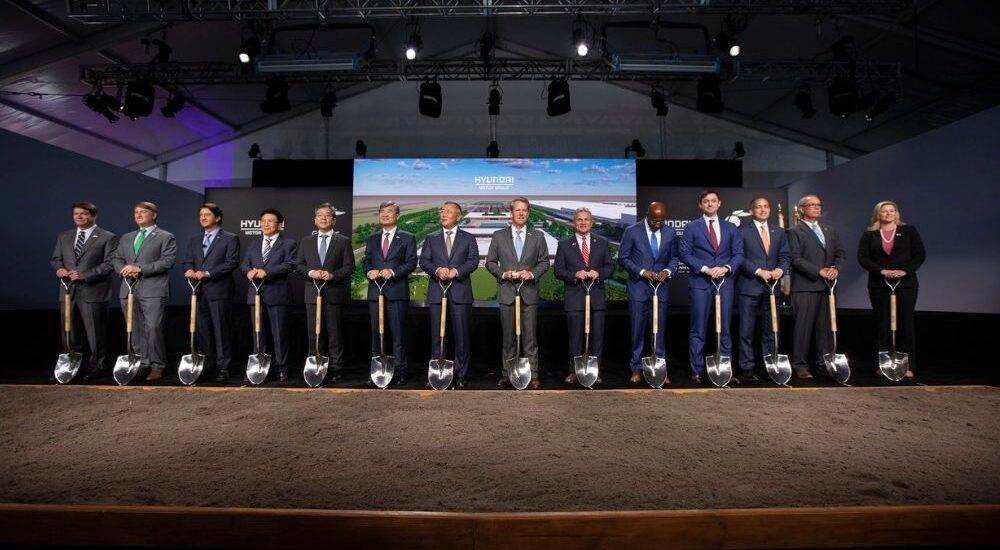
Hyundai Motor Group and LG Energy Solution have announced that they will increase their joint investment in a battery manufacturing plant in Georgia by $2 billion. This brings the total investment in the facility to $4.3 billion. The plant, a joint venture between the two companies, will have the capacity to produce approximately 300,000 electric vehicle batteries annually.
This investment will create an additional 400 jobs at the facility, adding to the 8,500 new jobs that the two companies plan to create in Bryan County, Georgia, over eight years. The investment also includes a separate electric vehicle manufacturing plant that is set to begin production in January 2025 and will manufacture 300,000 vehicles annually.
The combined manufacturing facilities are known as the “Metaplant” and have been incentivized by consumer tax credits included in the 2022 U.S. Inflation Reduction Act, which requires electric vehicles to be manufactured in the United States and sets new sourcing requirements for critical minerals and battery components.
Hyundai Mobis, an auto parts maker, will assemble battery packs using cells from the plant and supply them to Hyundai Motor manufacturing facilities in the United States for the production of Hyundai, Kia, and Genesis electric vehicles.
This announcement reflects Hyundai’s commitment to expanding its presence in the electric vehicle market and increasing its production capacity in the United States.
Interested in learning more?
Sign up for Top Insights Today

Top Insights Today delivers the latest insights straight to your inbox.
You will get daily industry insights on
Oil & Gas, Rare Earths & Commodities, Mining & Metals, EVs & Battery Technology, ESG & Renewable Energy, AI & Semiconductors, Aerospace & Defense, Sanctions & Regulation, Business & Politics.
Read more insights

Investor optimism boosts gold price as rate cut expectations rise
Gold prices strengthened on Friday, heading for their best week since early April, driven by weak U.S. employment figures that have increased expectations of interest rate cuts by the Federal Reserve later this year. Spot gold rose 1.1% to $2,372.16 per ounce, reaching its highest level in over two weeks, with…
Nexperia clash chokes Europe’s auto chip arteries
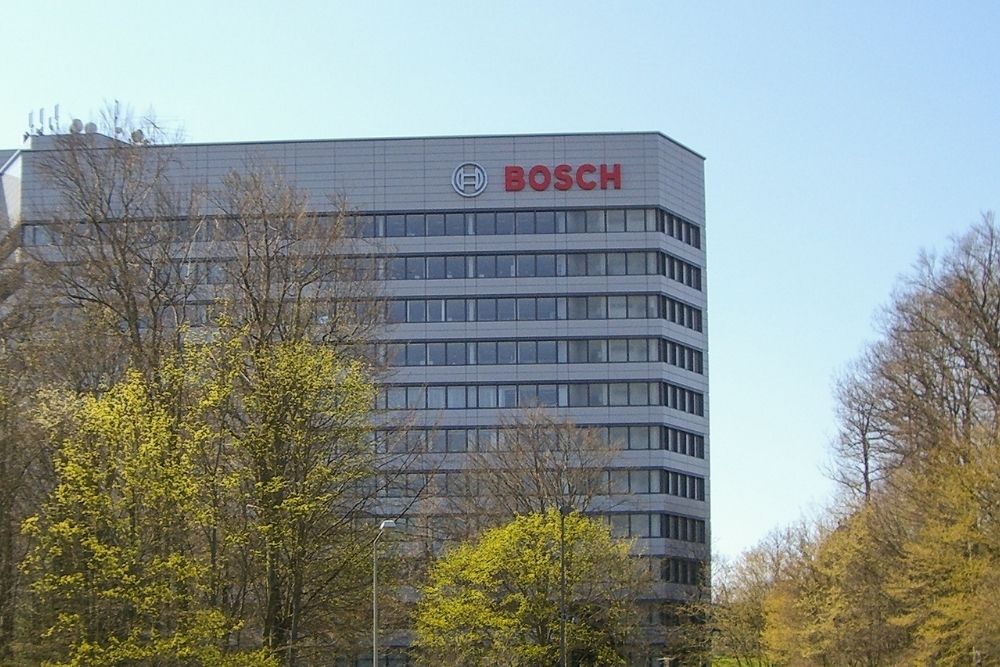
A months long tug of war over Nexperia has spilled straight into Europe’s factory floors. Bosch says it is rationing components and juggling schedules at plants in Ansbach and Salzgitter in Germany and in Braga, Portugal, as a shortage of basic semiconductors forces production slowdowns and intermittent furloughs. The irony is sharp: the chips in question are not exotic AI accelerators but the humble diodes, transistors and logic devices that sit everywhere in a modern vehicle’s wiring loom.
When the Dutch government moved in September to take control of Nexperia, headquartered in the Netherlands but owned by China’s Wingtech, citing national security concerns over technology leakage, Beijing responded by tightening the screws on exports of the company’s finished products from China. That tit-for-tat has gummed up a supply artery European carmakers took for granted, and now thousands of workers at tier-one suppliers are feeling the knock-on effects.
GlobalWafers receives first $200M CHIPS Act payment for Texas wafer plant
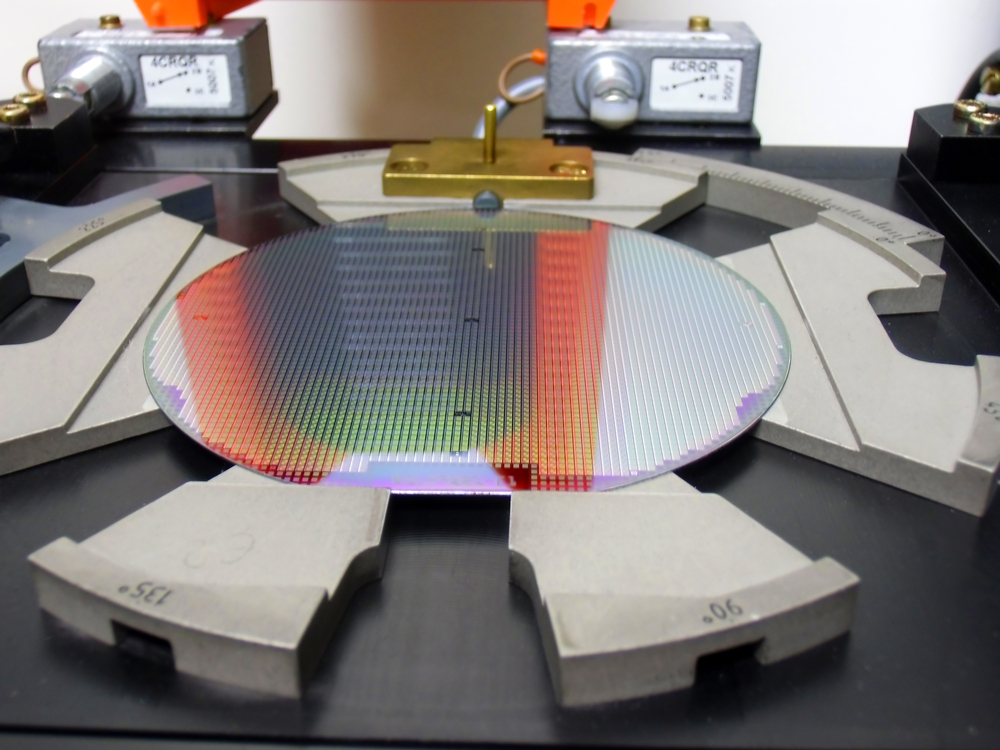
Taiwan’s Sino-American Silicon Products (SAS) confirmed on Friday that its subsidiary GlobalWafers has received just over $200 million from the U.S. CHIPS and Science Act, marking the first major tranche of a $406 million federal grant announced late last year.
The award, initially secured under the Biden administration to support large-scale silicon wafer manufacturing projects in Texas and Missouri, is aimed at strengthening America’s semiconductor supply chain by boosting domestic production capacity for 300mm wafers, a critical input for advanced chipmaking.