
South Korea’s Hyundai, LGES to ramp up investment in U.S. battery plant by $2 billion
- September 1, 2023
- Posted by: Quatro Strategies
- Categories: Asia Pacific, EVs & Battery Technology, United States
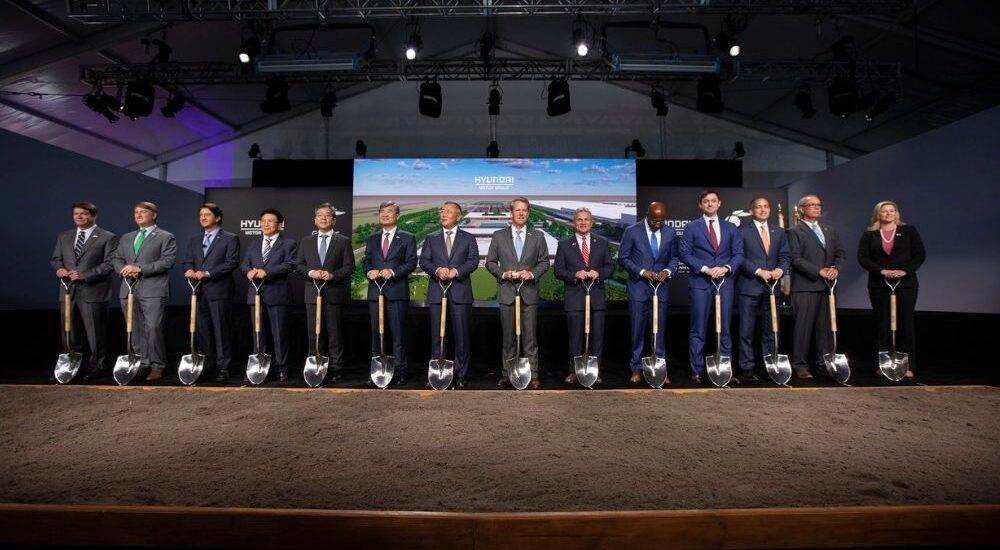
Hyundai Motor Group and LG Energy Solution have announced that they will increase their joint investment in a battery manufacturing plant in Georgia by $2 billion. This brings the total investment in the facility to $4.3 billion. The plant, a joint venture between the two companies, will have the capacity to produce approximately 300,000 electric vehicle batteries annually.
This investment will create an additional 400 jobs at the facility, adding to the 8,500 new jobs that the two companies plan to create in Bryan County, Georgia, over eight years. The investment also includes a separate electric vehicle manufacturing plant that is set to begin production in January 2025 and will manufacture 300,000 vehicles annually.
The combined manufacturing facilities are known as the “Metaplant” and have been incentivized by consumer tax credits included in the 2022 U.S. Inflation Reduction Act, which requires electric vehicles to be manufactured in the United States and sets new sourcing requirements for critical minerals and battery components.
Hyundai Mobis, an auto parts maker, will assemble battery packs using cells from the plant and supply them to Hyundai Motor manufacturing facilities in the United States for the production of Hyundai, Kia, and Genesis electric vehicles.
This announcement reflects Hyundai’s commitment to expanding its presence in the electric vehicle market and increasing its production capacity in the United States.
Interested in learning more?
Sign up for Top Insights Today

Top Insights Today delivers the latest insights straight to your inbox.
You will get daily industry insights on
Oil & Gas, Rare Earths & Commodities, Mining & Metals, EVs & Battery Technology, ESG & Renewable Energy, AI & Semiconductors, Aerospace & Defense, Sanctions & Regulation, Business & Politics.
Read more insights
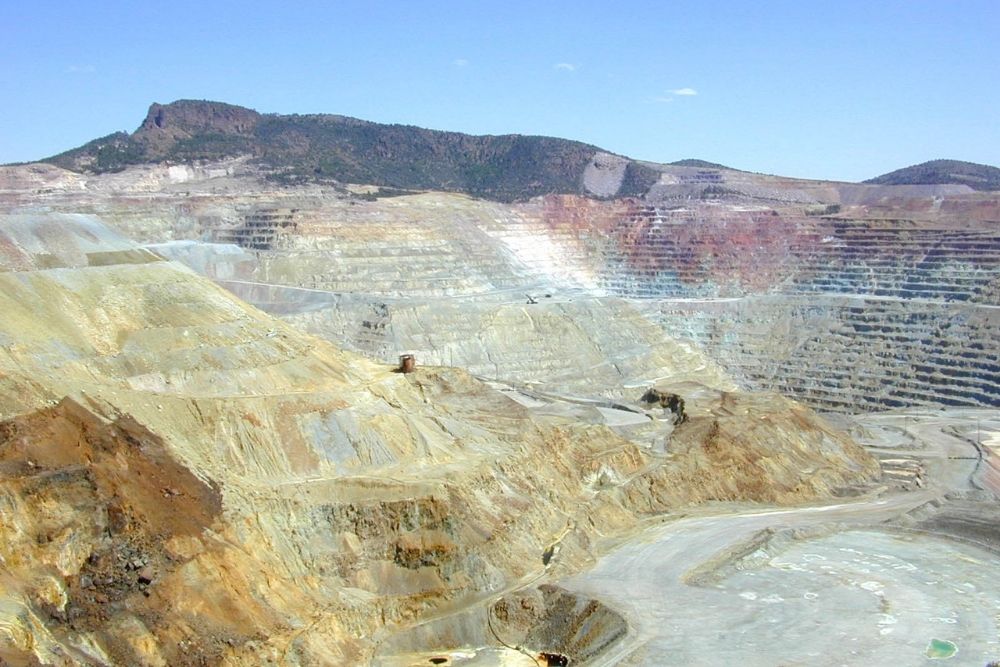
M&A activity in copper mining accelerates as companies intend to share rising costs
The copper mining industry is witnessing a surge in deal-making activity over the next six to twelve months, driven by the escalating costs of launching new projects and the critical role copper plays in the global energy transition. The capital required for developing new mines has risen by around 50%, averaging…
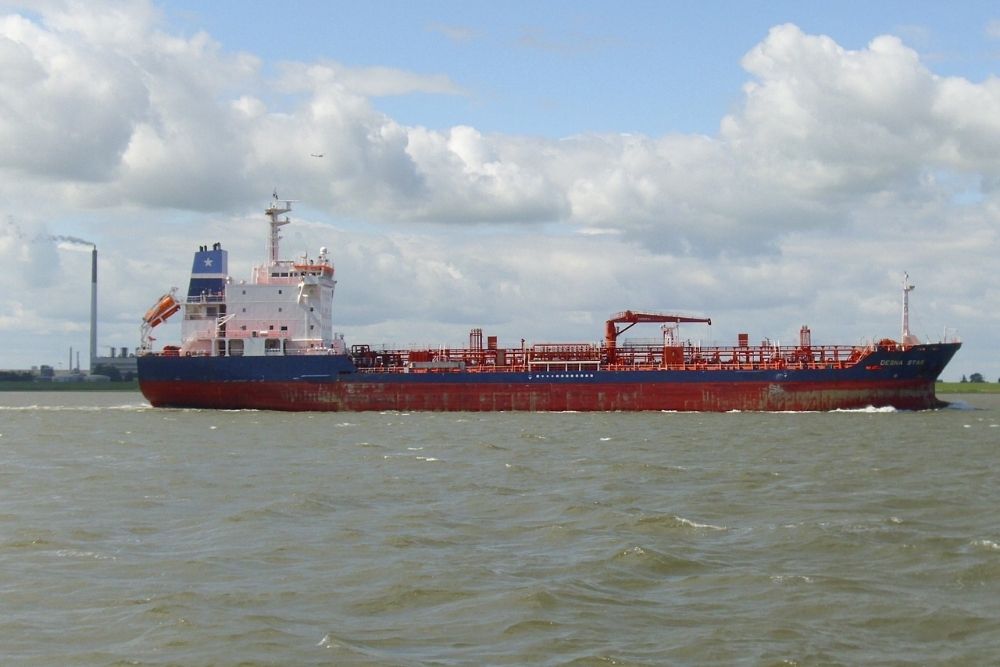
US targets UAE shipping company in first enforcement action on oil price caps
The United States Department of the Treasury’s Office of Foreign Assets Control (OFAC) has initiated its first enforcement action related to oil price caps this year. The action targets UAE-based shipping company Hennesea Holdings Limited (Hennesea), which owns 18 vessels, including crude…
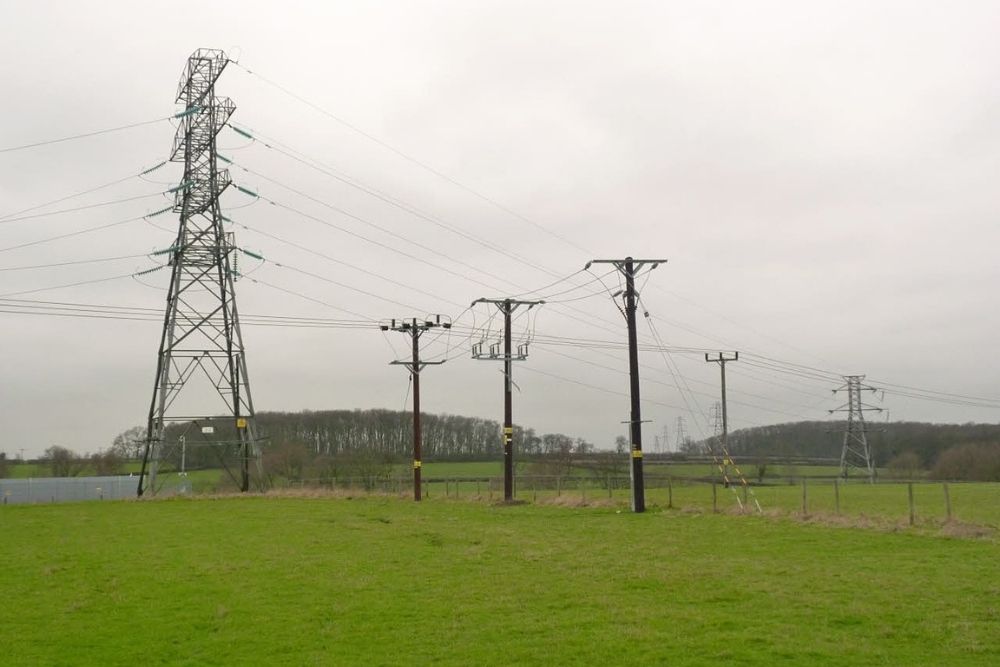
India braces for worst power crisis in 14 years due to decline in hydropower
India is bracing for its most significant power deficit in 14 years this June due to a decline in hydropower generation. Projections indicate a shortfall of 14 GW during nighttime hours, posing a critical challenge to the nation’s power sector and necessitating urgent measures to prevent potential outages…