
U.S. set to offer $12 billion in subsidies to speed up EV production
- September 1, 2023
- Posted by: Quatro Strategies
- Categories: EVs & Battery Technology, United States
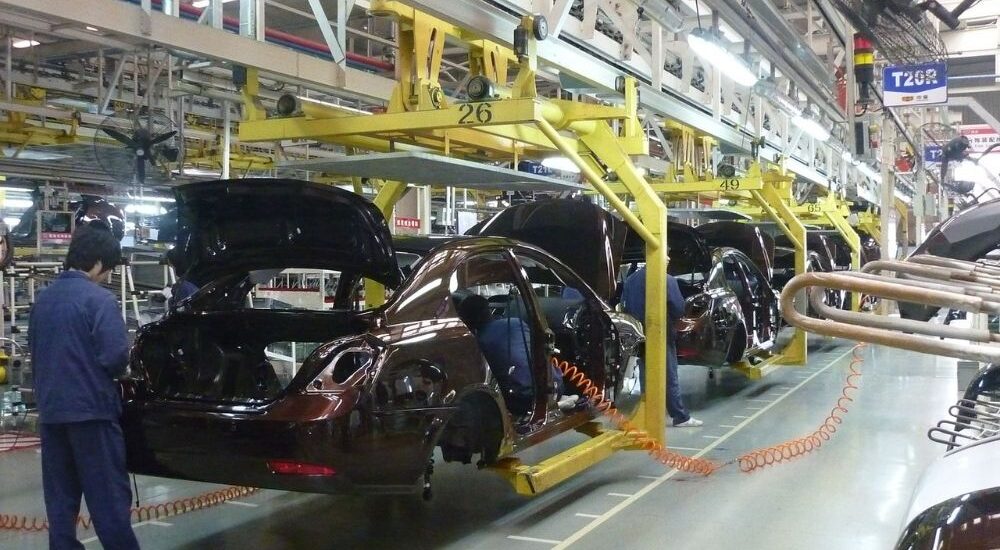
The Biden administration is set to offer $12 billion in grants and loans to help auto manufacturers and suppliers retrofit their plants to produce electric and advanced vehicles. The move aims to support the transition to electric vehicles (EVs) while ensuring that workers and communities are not left behind. The announcement comes amid concerns from automakers and the United Auto Workers (UAW) union about proposed environmental rules and the potential impact on jobs.
The UAW has expressed concerns that a rapid shift to EVs could put thousands of jobs at risk in states like Michigan, Ohio, Illinois, and Indiana. However, the policy announced by the Biden administration aims to address these concerns by supporting union partnerships and maintaining high pay and safety standards.
UAW President Shawn Fain welcomed the announcement, emphasizing the importance of strong union partnerships in the EV transition. President Biden stated that building a clean energy economy should benefit both auto companies and unionized workers.
The funding will include $3.5 billion for domestic battery manufacturers and $2 billion in grants from the Inflation Reduction Act, along with $10 billion in loans from the Energy Department’s Loans Program Office.
This initiative reflects the administration’s commitment to accelerating the adoption of EVs in the United States while safeguarding jobs and communities affected by the transition.
Interested in learning more?
Sign up for Top Insights Today

Top Insights Today delivers the latest insights straight to your inbox.
You will get daily industry insights on
Oil & Gas, Rare Earths & Commodities, Mining & Metals, EVs & Battery Technology, ESG & Renewable Energy, AI & Semiconductors, Aerospace & Defense, Sanctions & Regulation, Business & Politics.
Read more insights

Rising premiums for West African crude signal strong demand from Europe
Europe’s oil refineries are increasing their crude oil purchases in response to a surge in diesel prices and disruptions to imported shipments from the Middle East. This situation has led to a rise in the cost of physical barrels of oil, particularly for key West African grades such as Forcados and Egina…
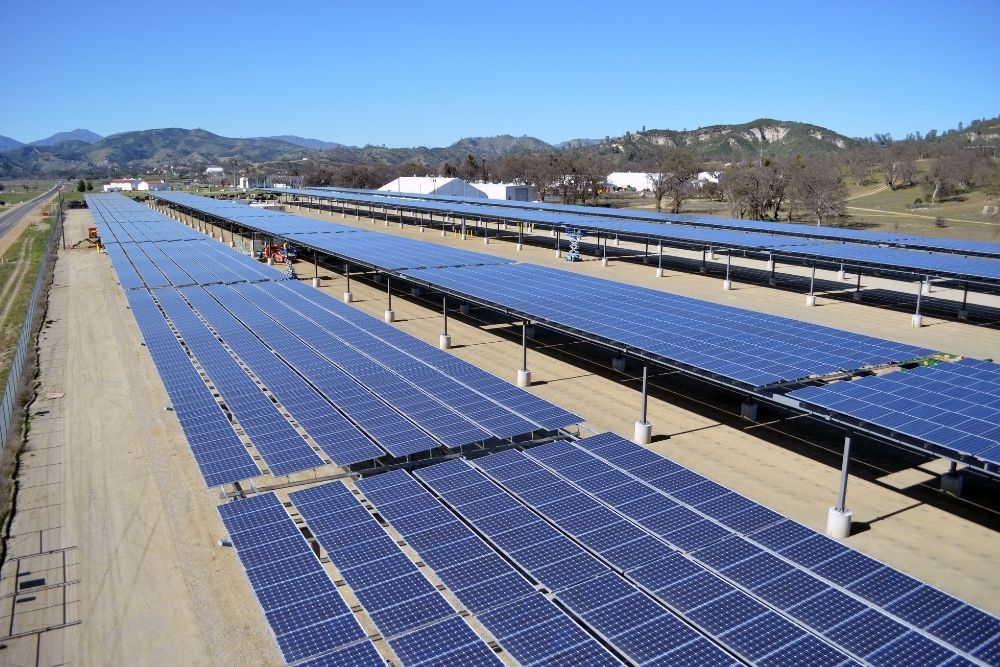
Trump administration shutters $7 billion solar equity initiative
The U.S. Environmental Protection Agency (EPA) will officially terminate the $7 billion “Solar for All” initiative, a key Biden-era grant program aimed at expanding solar energy access in low-income communities. EPA Administrator Lee Zeldin made the announcement Thursday via a video post on X (formerly Twitter), declaring that the agency no longer has legal authority or appropriated funds to continue the program.
Zeldin cited the recent passage of President Donald Trump’s “One Big Beautiful Bill Act,” signed into law last month, which eliminated the program’s funding stream. “EPA no longer has the authority to administer the program or the appropriated funds to keep this boondoggle alive,” he said.

India–Pakistan drone arms race raises stakes in South Asian security
In early May, the long-simmering tensions between India and Pakistan took a new technological turn, as both nations deployed swarms of drones in the most intense cross-border hostilities in decades. This marked a significant shift in South Asian military dynamics: the first large-scale use of unmanned aerial vehicles (UAVs) by the two nuclear-armed rivals.
The drone clashes began after a militant attack in Indian-controlled Kashmir on April 22 that killed 26 civilians, mostly tourists. India swiftly blamed Pakistan-based operatives, triggering retaliatory airstrikes on May 7 against what New Delhi called “terrorist infrastructure.” The following night, Pakistan responded with an unprecedented wave of drone incursions, reportedly sending up to 400 UAVs across dozens of border points, probing India’s defences across a 1,700-kilometer frontier.