
U.S. set to offer $12 billion in subsidies to speed up EV production
- September 1, 2023
- Posted by: Quatro Strategies
- Categories: EVs & Battery Technology, United States
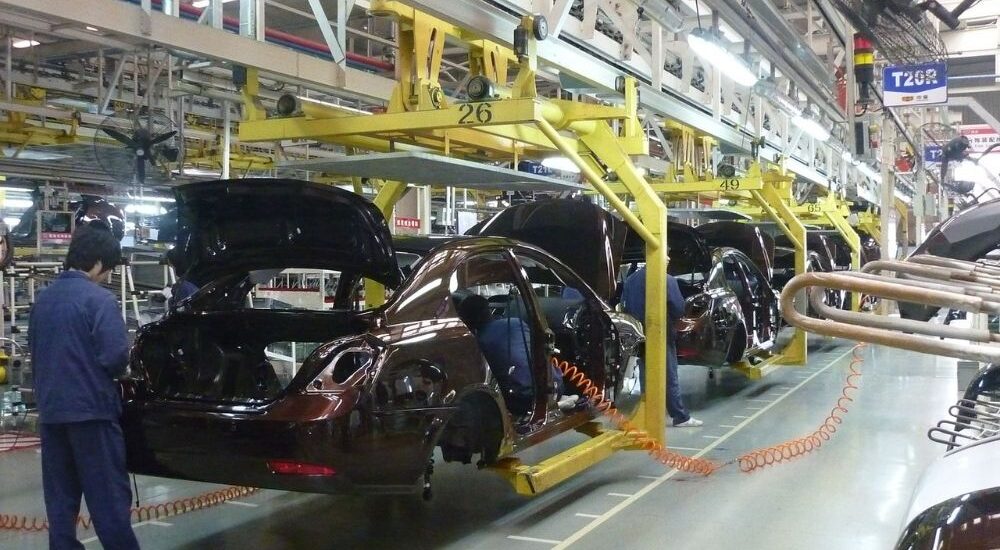
The Biden administration is set to offer $12 billion in grants and loans to help auto manufacturers and suppliers retrofit their plants to produce electric and advanced vehicles. The move aims to support the transition to electric vehicles (EVs) while ensuring that workers and communities are not left behind. The announcement comes amid concerns from automakers and the United Auto Workers (UAW) union about proposed environmental rules and the potential impact on jobs.
The UAW has expressed concerns that a rapid shift to EVs could put thousands of jobs at risk in states like Michigan, Ohio, Illinois, and Indiana. However, the policy announced by the Biden administration aims to address these concerns by supporting union partnerships and maintaining high pay and safety standards.
UAW President Shawn Fain welcomed the announcement, emphasizing the importance of strong union partnerships in the EV transition. President Biden stated that building a clean energy economy should benefit both auto companies and unionized workers.
The funding will include $3.5 billion for domestic battery manufacturers and $2 billion in grants from the Inflation Reduction Act, along with $10 billion in loans from the Energy Department’s Loans Program Office.
This initiative reflects the administration’s commitment to accelerating the adoption of EVs in the United States while safeguarding jobs and communities affected by the transition.
Interested in learning more?
Sign up for Top Insights Today

Top Insights Today delivers the latest insights straight to your inbox.
You will get daily industry insights on
Oil & Gas, Rare Earths & Commodities, Mining & Metals, EVs & Battery Technology, ESG & Renewable Energy, AI & Semiconductors, Aerospace & Defense, Sanctions & Regulation, Business & Politics.
Read more insights
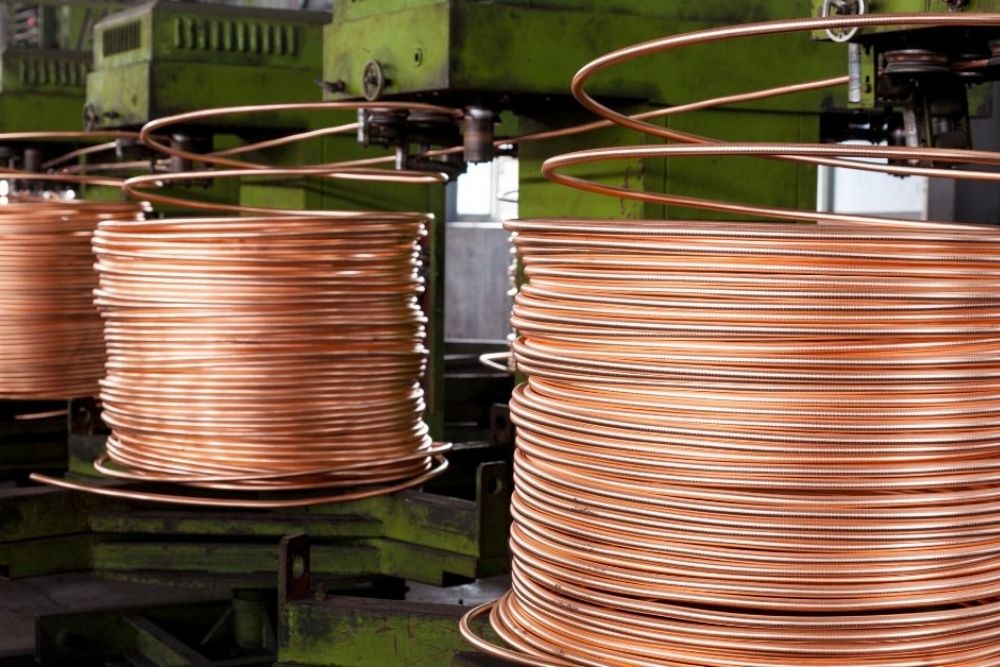
China’s surging copper stockpiles signal global market shifts
The global copper market is currently navigating through significant changes influenced by China’s handling of copper stockpiles, which have reached a 51-month high of 339,964 metric tons as of early June. This surge in inventories contrasts with the usual seasonal pattern of building and subsequent drawdowns that…
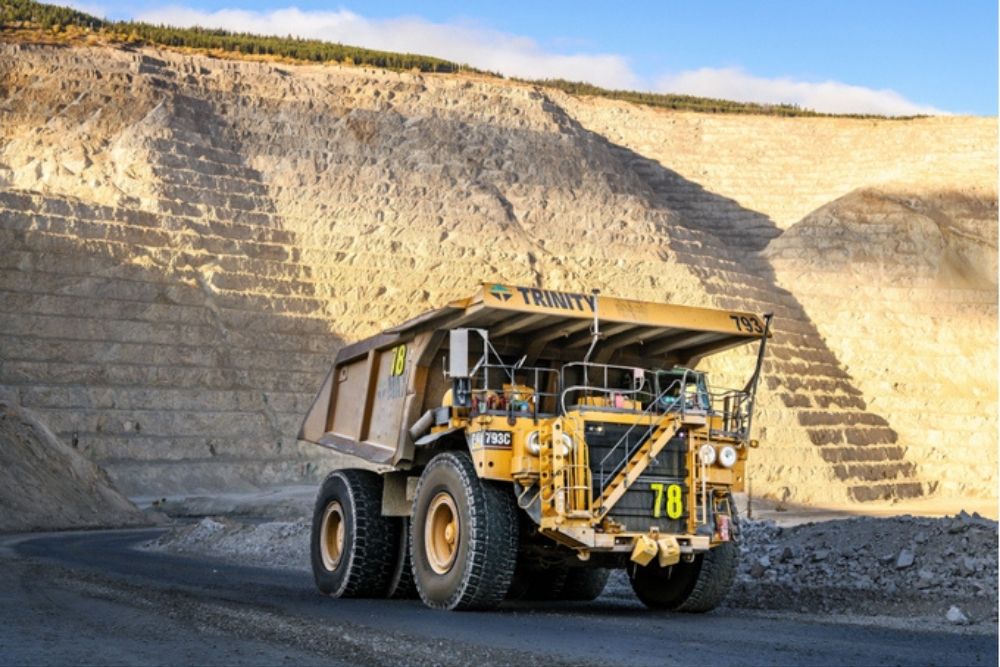
Indian tycoon setting consortium to buy Teck’s coal unit
Indian business magnate Sajjan Jindal, who heads the $23 billion Mumbai-listed JSW Steel, is reportedly assembling a consortium to bid for a 75% stake in the coal unit of Canadian mining company Teck Resources. This move would put JSW Steel in competition with Swiss commodities giant Glencore, which has also submitted an $8 billion bid for the same stake. The stake in question is in Teck’s coal unit, Elk Valley Resources, which produces a significant amount of steelmaking coal.
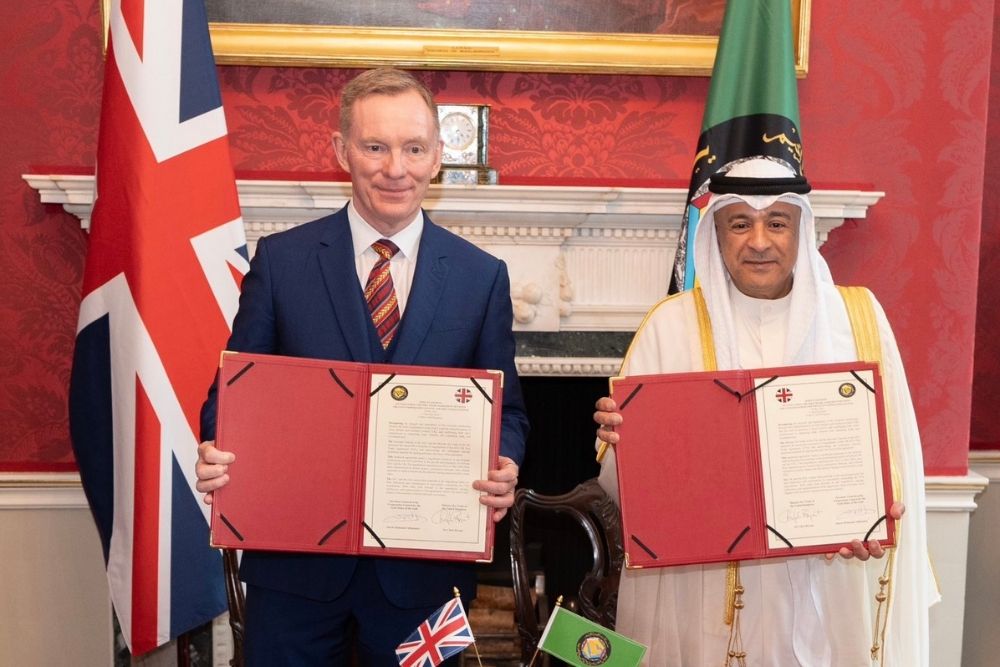
Britain strikes Gulf trade deal as post-Brexit strategy takes shape
The United Kingdom’s new free trade agreement with the Gulf Cooperation Council marks one of London’s most important post-Brexit commercial deals and comes at a moment when both sides have strong reasons to deepen their economic relationship.
For the UK, the agreement offers a chance to demonstrate that it can still negotiate meaningful trade arrangements outside the European Union. For the Gulf states, it strengthens ties with a major financial, legal, education and services hub as they try to diversify their economies beyond oil and gas while navigating a more unstable regional environment.