
Nigeria to establish state-backed mineral company to boost investments
- September 4, 2023
- Posted by: Quatro Strategies
- Categories: Africa, Mining & Metals, Rare Earths & Commodities
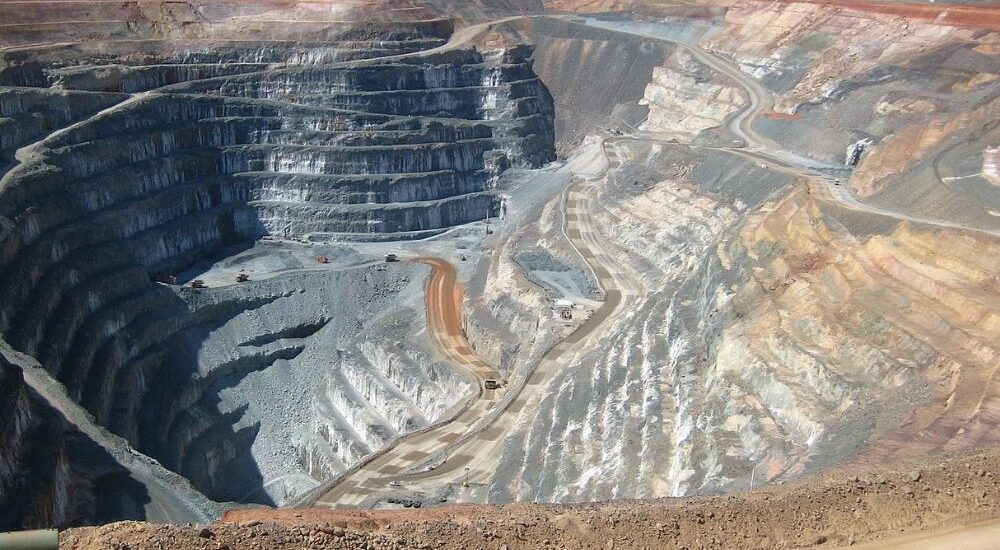
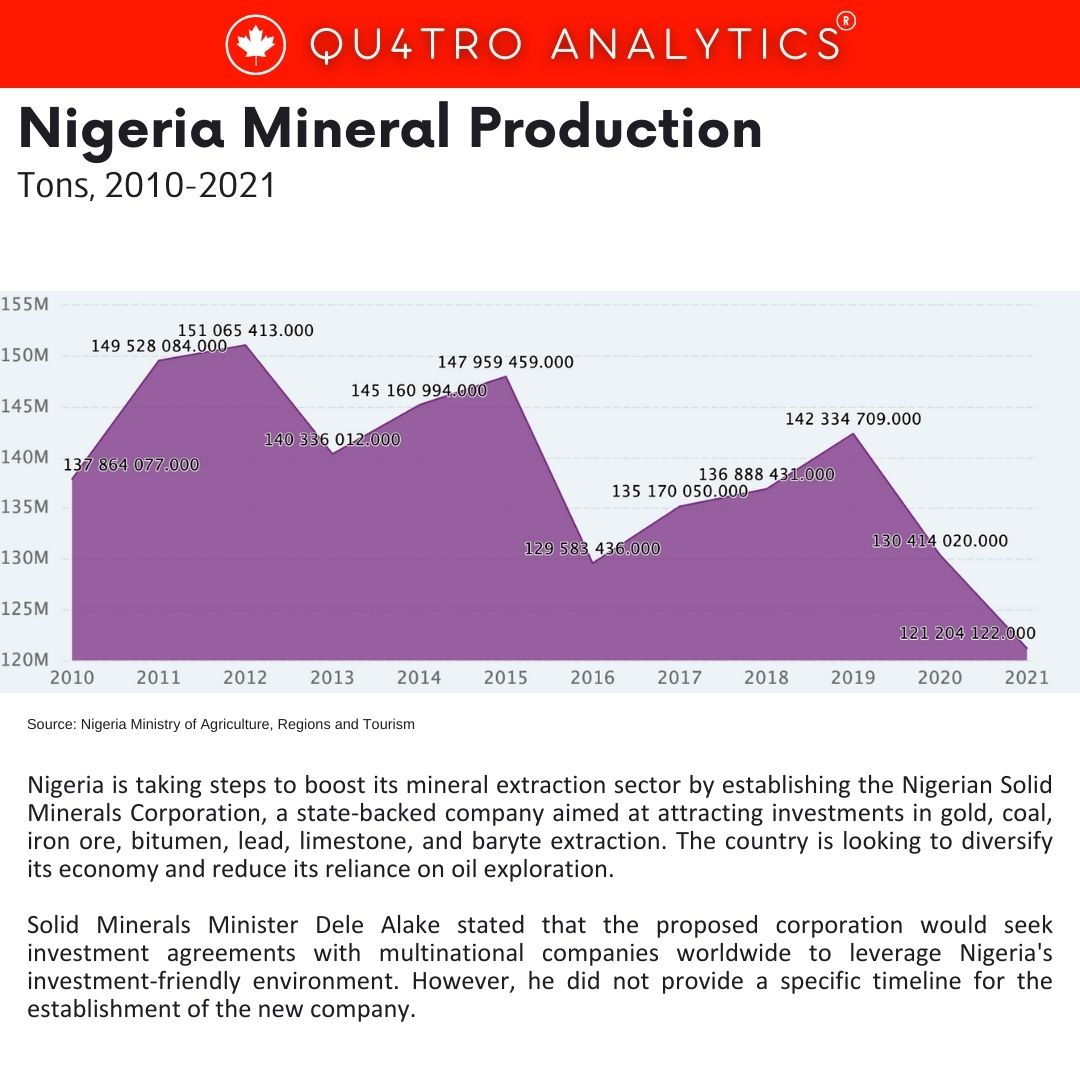
Nigeria is taking steps to boost its mineral extraction sector by establishing the Nigerian Solid Minerals Corporation, a state-backed company aimed at attracting investments in gold, coal, iron ore, bitumen, lead, limestone, and baryte extraction. The country is looking to diversify its economy and reduce its reliance on oil exploration.
Solid Minerals Minister Dele Alake stated that the proposed corporation would seek investment agreements with multinational companies worldwide to leverage Nigeria’s investment-friendly environment. However, he did not provide a specific timeline for the establishment of the new company.
 Existing entities like the National Iron Ore Company and the Bitumen Concessioning Programme will be reviewed and incorporated into the new corporation. Additionally, a mines police force will be operational from October to combat illegal mining activities.
President Bola Tinubu’s administration is implementing reforms to improve Nigeria’s investment climate and attract foreign investors. These reforms aim to shift the focus from borrowing to investment as a means of creating jobs and stimulating economic growth. Tinubu plans to attend the upcoming G20 summit to promote foreign investment in Nigeria and secure global capital for infrastructure development.
The Nigerian Solid Minerals Corporation will collaborate with local financial institutions, encouraging them to invest in the mining sector, which has historically faced challenges due to lengthy project gestation periods. The move represents part of Nigeria’s broader efforts to diversify its economy and tap into its vast mineral resources.
Interested in learning more?
Sign up for Top Insights Today
Top Insights Today delivers the latest insights straight to your inbox.
You will get daily industry insights on
Oil & Gas, Rare Earths & Commodities, Mining & Metals, EVs & Battery Technology, ESG & Renewable Energy, AI & Semiconductors, Aerospace & Defense, Sanctions & Regulation, Business & Politics.
Read more insights
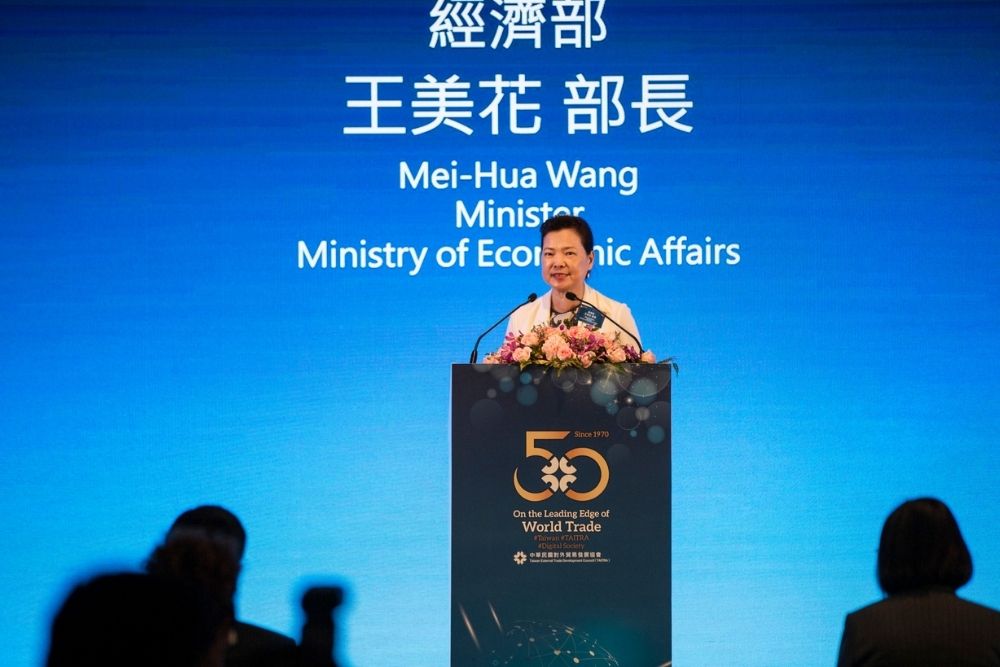
Taiwan investigates four companies over possible ties with China’s Huawei
The Taiwanese government has taken significant steps by initiating an investigation into four companies allegedly engaging in business with organizations connected to Huawei, a company under U.S. sanctions. This investigation is part of a broader effort to ensure compliance…
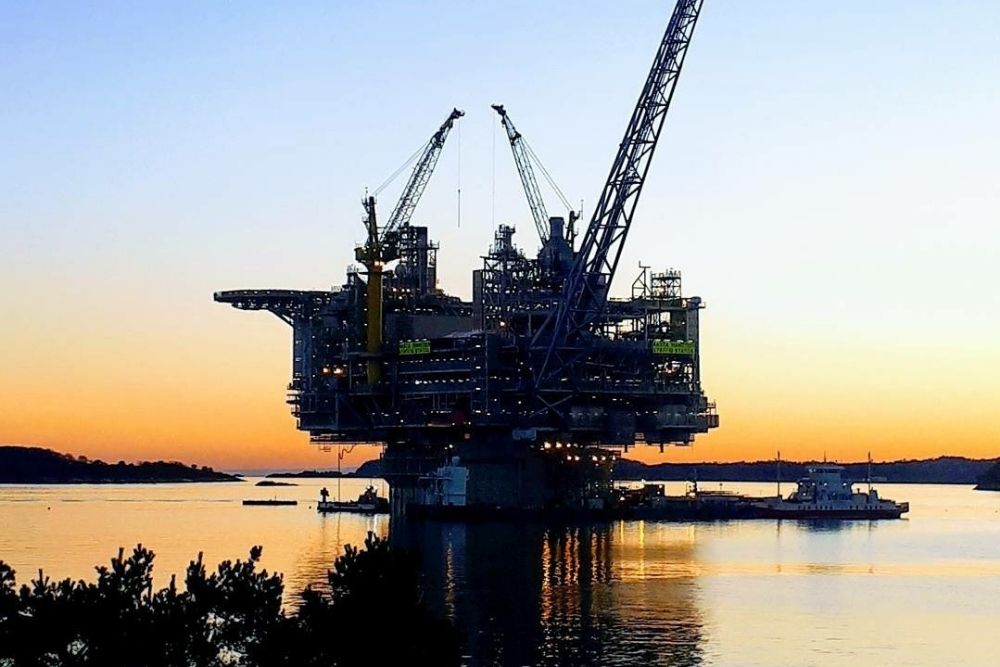
Norway doubles down on long-life oil and gas supply for Europe
Norway is doubling down on the long life of its petroleum sector, even as much of Europe talks about energy transition and fossil-fuel phaseout. The government has opened 70 new exploration blocks in its annual predefined-area licensing round, including 38 in the Barents Sea, 10 in the Norwegian Sea, and 22 in the North Sea, with applications due by September 1 and final awards expected in early 2027.
At the same time, Oslo approved ConocoPhillips and its partners to redevelop the Albuskjell, Vest Ekofisk, and Tommeliten Gamma fields, which still contain an estimated 90 million to 120 million barrels of oil equivalent in gas and condensate. Production from those assets is expected to start in 2028 and continue until 2048, with investment of about 19 billion Norwegian crowns.
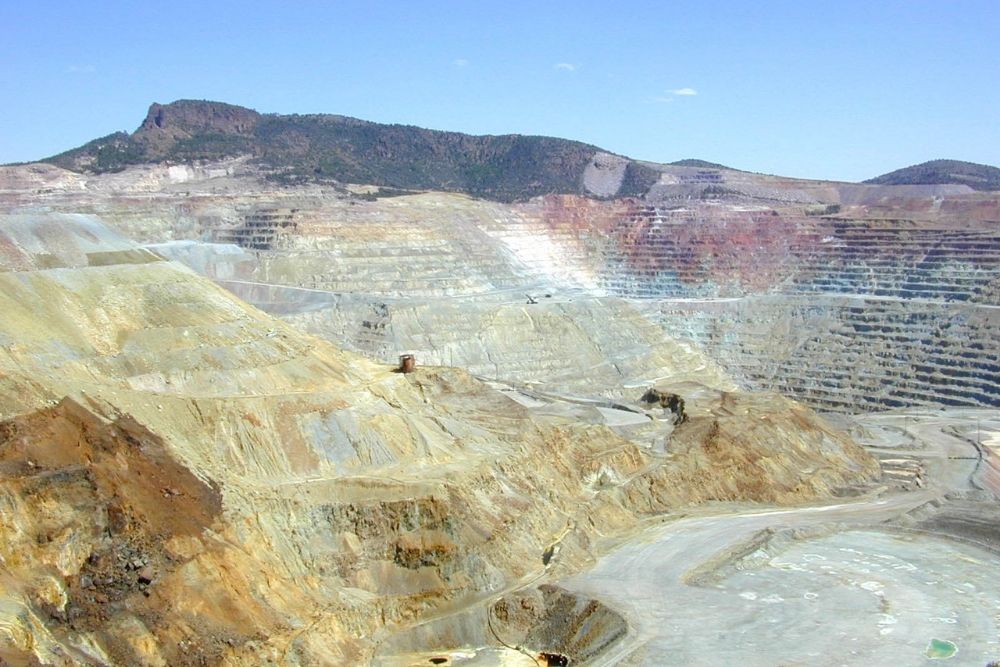
Kazakhstan’s ERG to invest $800 million to upgrade its DR Congo copper mine
Eurasian Resources Group (ERG), a Kazakh miner, is planning to invest $800 million to upgrade its Comide copper and cobalt mine in the Democratic Republic of Congo. The project encompasses the construction of a hydrometallurgical plant, extensive exploration and drilling activities…