
U.S. aims to elevate diplomatic relations with Vietnam in Biden’s visit next week
- September 4, 2023
- Posted by: Quatro Strategies
- Categories: Asia Pacific, Business & Politics, United States
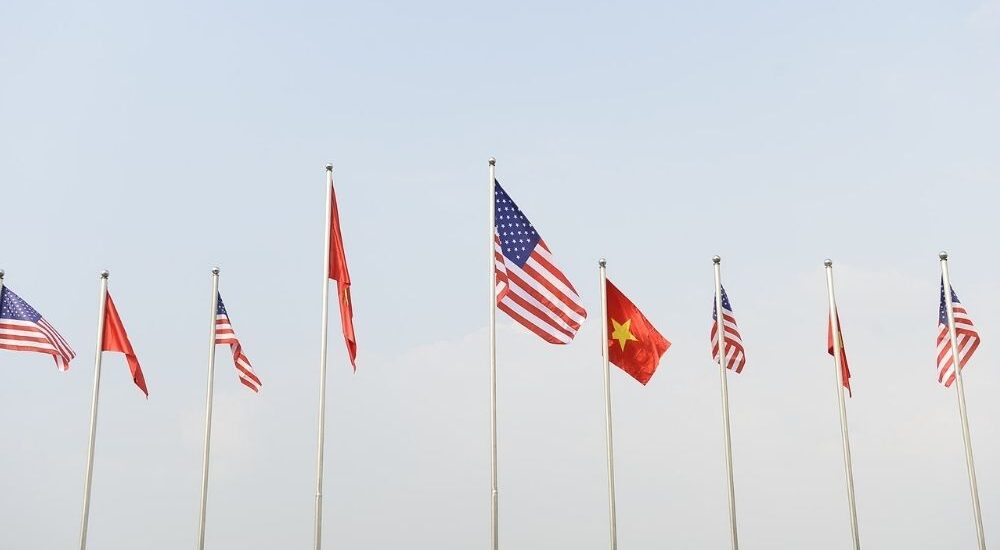
The United States is set to elevate its diplomatic relations with Vietnam to the top tier, a move that may raise concerns in China and have implications for business relations. This diplomatic upgrade is expected to take place during President Joe Biden’s visit to Hanoi in a week. While there has been no official announcement, both U.S. officials and Vietnamese leaders have informally expressed optimism about the two-step upgrade.
The decision to upgrade diplomatic relations with Vietnam signals a strengthening of ties between the two countries. However, it may also raise concerns in China, as Vietnam is seen as a significant player in the region, and an enhanced relationship with the U.S. could be perceived as a counterbalance to China’s influence.
Vietnam’s leadership appears to have calculated that this is the right time for such a move, especially as U.S.-China relations are expected to face further challenges in the future. Vietnam’s economy is in need of foreign investment, technology, and market access, making an upgrade in diplomatic relations with the U.S. potentially beneficial.
While an upgrade in diplomatic relations is expected, it may not immediately lead to a boost in U.S. military supplies to Vietnam, as such agreements typically take time to negotiate. However, Vietnam has been engaging with multiple countries, including Russia, to upgrade its defense capabilities.
The upgrade in relations is also expected to benefit U.S. businesses operating in Vietnam. Companies like Boeing and AES may make announcements during President Biden’s visit, potentially boosting trade and investment between the two countries.
Overall, this diplomatic upgrade reflects the evolving dynamics in the Indo-Pacific region, with countries like Vietnam seeking to strengthen their partnerships with multiple nations to navigate complex geopolitical challenges.
Interested in learning more?
Sign up for Top Insights Today

Top Insights Today delivers the latest insights straight to your inbox.
You will get daily industry insights on
Oil & Gas, Rare Earths & Commodities, Mining & Metals, EVs & Battery Technology, ESG & Renewable Energy, AI & Semiconductors, Aerospace & Defense, Sanctions & Regulation, Business & Politics.
Read more insights
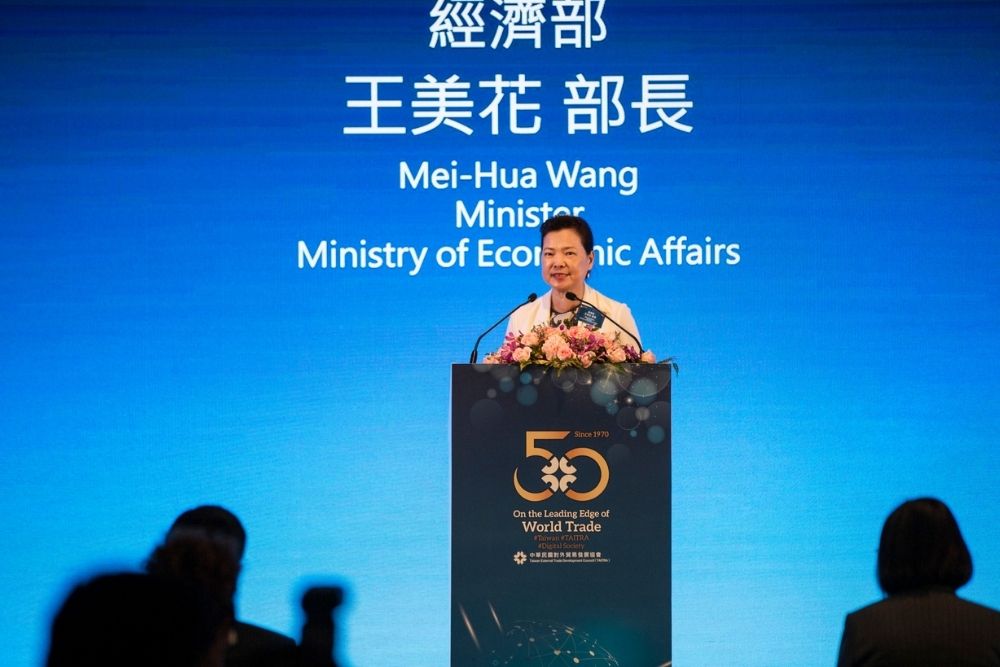
Taiwan investigates four companies over possible ties with China’s Huawei
The Taiwanese government has taken significant steps by initiating an investigation into four companies allegedly engaging in business with organizations connected to Huawei, a company under U.S. sanctions. This investigation is part of a broader effort to ensure compliance…

Oil markets reel as U.S.-China trade clash escalates
Global oil prices plunged on Friday, driven lower by a potent mix of geopolitical risk and supply-side pressure, as financial markets reeled from a fresh escalation in the global trade conflict between the U.S. and China. Brent crude tumbled $5.30, or 7.6%, to $64.84 per barrel by early afternoon in London, while U.S. benchmark West Texas Intermediate (WTI) slumped $5.47, or 8.2%, to $61.48.
Both contracts were headed for their steepest weekly declines in over two years and are poised to settle at levels not seen since the depths of the COVID-19 pandemic in 2021. The latest catalyst came from Beijing, which retaliated forcefully against a sweeping new wave of U.S. tariffs announced by President Donald Trump earlier this week.
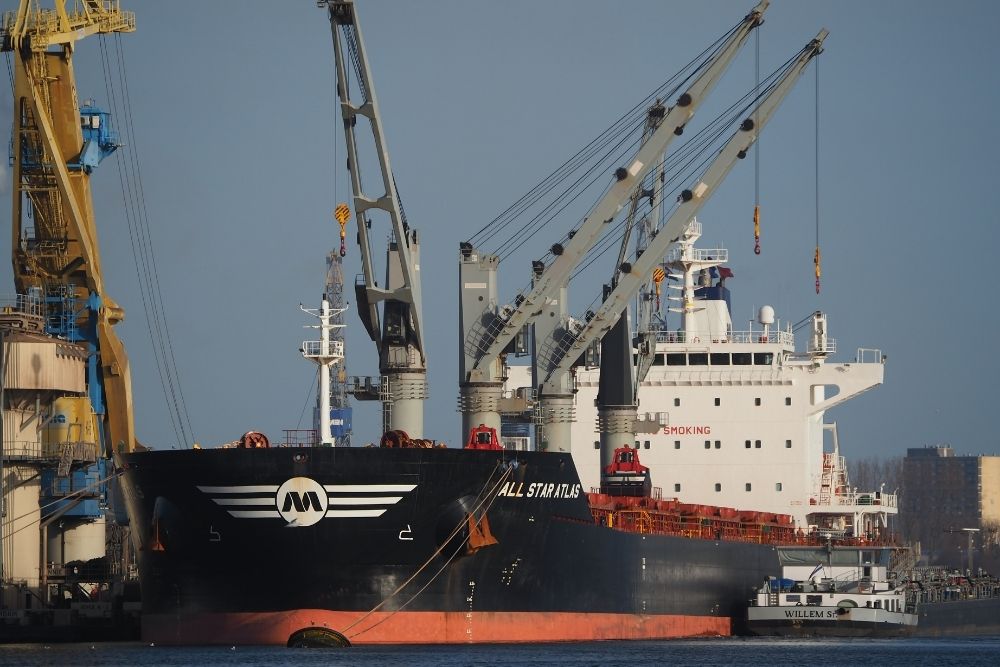
European policymakers monitor potential shipping disruptions from Red Sea attacks
The weeks of attacks by Iranian-backed Houthi militants on vessels in the Red Sea have raised concerns about disruptions in shipping, particularly in the Suez Canal, a vital route that carries 12% of global container traffic between Asia and Europe. European policymakers are closely…