
Australian lithium developer Liontown’s board favors Albemarle’s $4.3 billion offer
- September 4, 2023
- Posted by: Quatro Strategies
- Categories: Asia Pacific, Mining & Metals, Rare Earths & Commodities

Shares of Australia’s Liontown Resources have surged 11.5% after the lithium developer’s board endorsed a renewed AUD 6.6 billion ($4.3 billion) bid from Albemarle Corp, the world’s largest producer of the battery material. Emerging Australian lithium companies have been attracting buyouts as their lower valuations and cash requirements entice top lithium producers and others looking to secure supplies.
The new cash offer of AUD 3 per share represents a premium of 14.5% to Liontown’s last close on September 1 and is 20% higher than Albemarle’s offer of AUD 2.50 per share made in late March, which Liontown had rejected as too low.
Liontown’s board intends to unanimously recommend shareholders vote in favor of the new offer, provided there is no superior proposal and following an independent expert’s report to assess the deal.
Lithium is in high demand for electric vehicle batteries, and Australian projects have become more appealing than those in other major producer Chile, which unveiled a plan to nationalize its industry in April.
Liontown controls two significant lithium deposits in Western Australia, with first production scheduled for mid-2024 from its flagship Kathleen Valley project, one of the world’s largest and highest-grade hard rock lithium deposits. Liontown also has supply agreements with Ford Motor, Tesla, and the battery unit of South Korea’s LG Chem.
Interested in learning more?
Sign up for Top Insights Today

Top Insights Today delivers the latest insights straight to your inbox.
You will get daily industry insights on
Oil & Gas, Rare Earths & Commodities, Mining & Metals, EVs & Battery Technology, ESG & Renewable Energy, AI & Semiconductors, Aerospace & Defense, Sanctions & Regulation, Business & Politics.
Read more insights
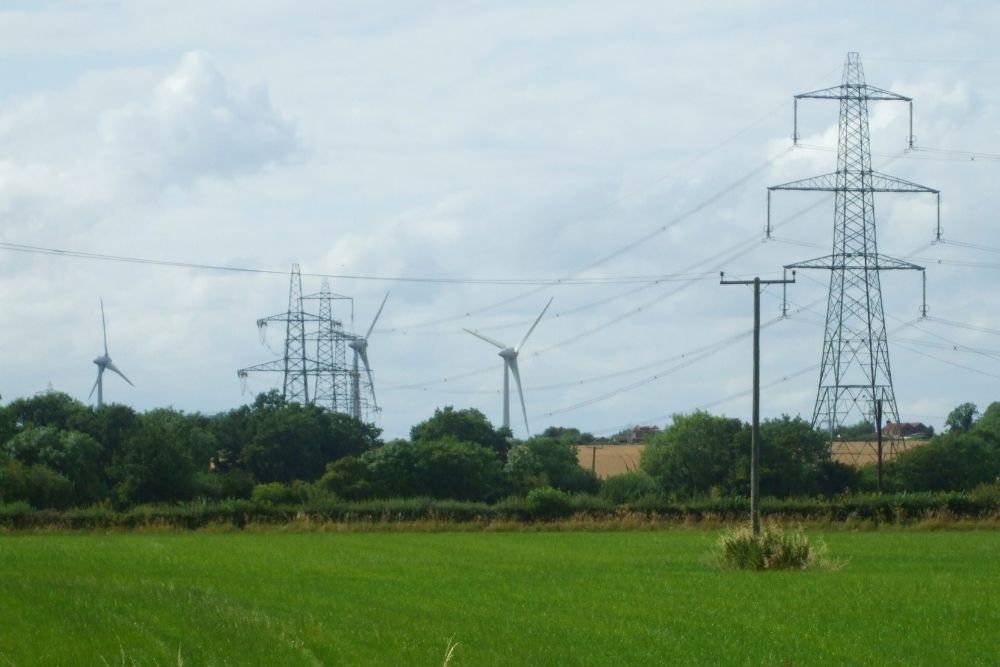
UK bets faster permits will unlock infrastructure backlog
Britain will remove a mandatory pre-application consultation requirement for major infrastructure projects, a planning reform that the government says will reduce approval timelines by up to twelve months and save developers around one billion pounds during the current parliament, illustrating the accelerating global race to compress the permitting processes that have become the binding constraint on the infrastructure buildout that the energy transition and the digital economy require.
The reform, removing the statutory consultation requirements for the wind farms, solar projects, reservoirs, and transport links in favor of the earlier engagement between the developers and the planning authorities, reflects the recognition that the lengthy approval processes have slowed the investment and delayed the critical infrastructure that Britain’s economic and energy security ambitions demand.
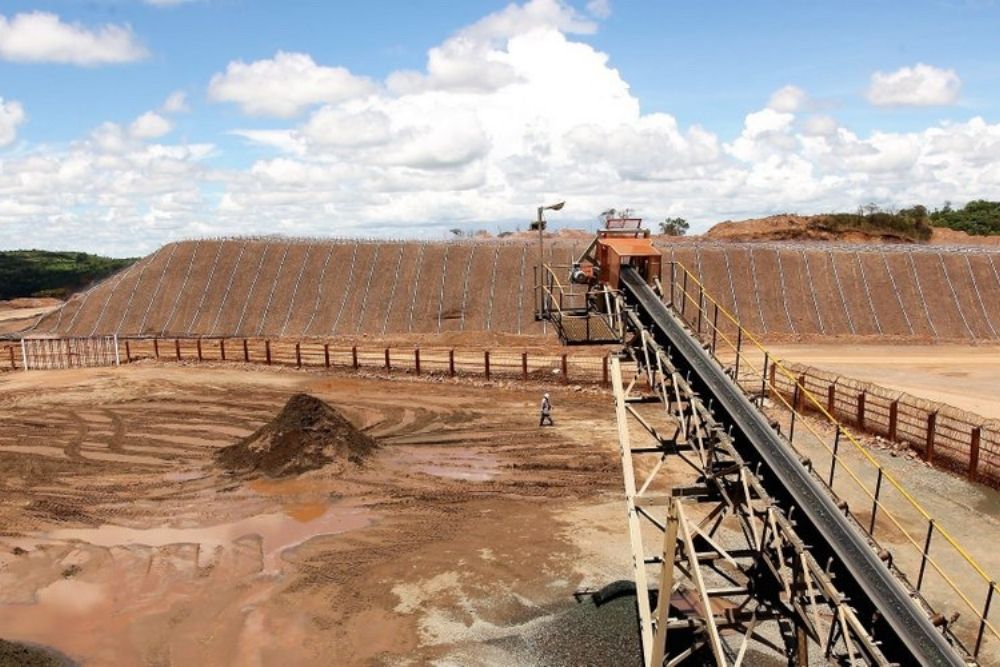
New Saudi licencing round signals bid to become mining powerhouse
Saudi Arabia is quietly trying to reinvent itself as a mining superpower, and this new exploration round is another small but telling step in that strategy. Riyadh has opened bidding on three mineral exploration licences covering around 13,000 square kilometres across the regions of Madinah, Makkah, Riyadh, Qassim and Hail.
These aren’t random patches of desert: they sit on newly delineated mineral belts that the government’s geological survey work has flagged as prospective for gold, silver, copper, zinc and lead. The move comes against the backdrop of official estimates that the kingdom holds mineral resources worth roughly 9.4 trillion riyals, or about $2.5 trillion, still largely untapped beneath its territory.
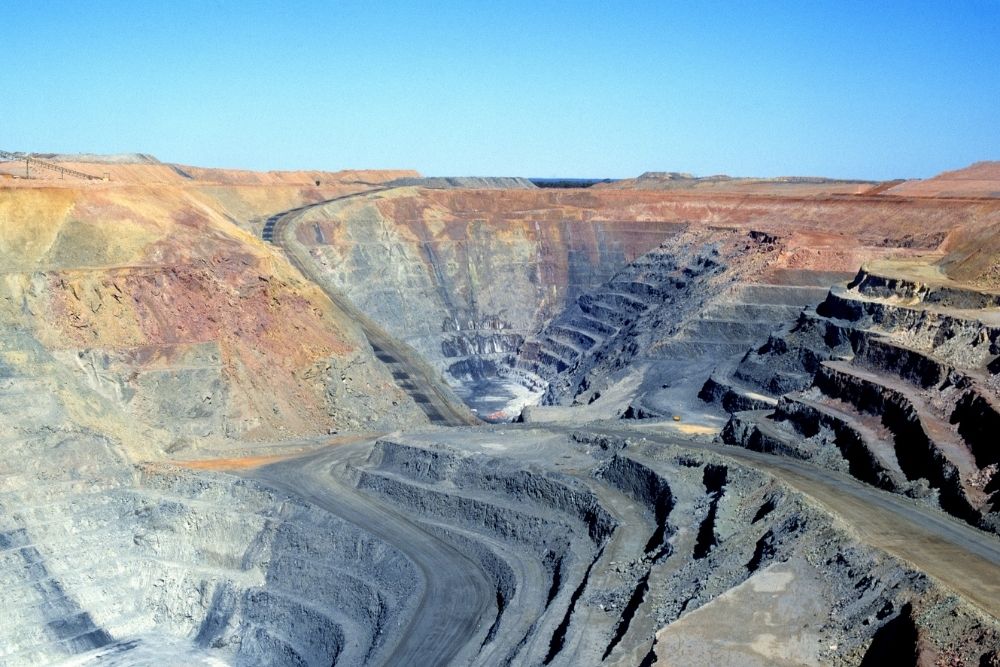
Saudi Arabia’s entry into mining alters dynamics of critical minerals supply chain
Saudi Arabia’s foray into the global mining industry has garnered attention as the country aims to invest significant capital in diversifying its economy away from oil and gas. Seeking access to critical minerals like copper, nickel, lithium, and iron ore, essential for electric vehicle batteries…