
Chinese president Xi not expected to attend the G20 summit
- August 31, 2023
- Posted by: Quatro Strategies
- Categories: Business & Politics, China
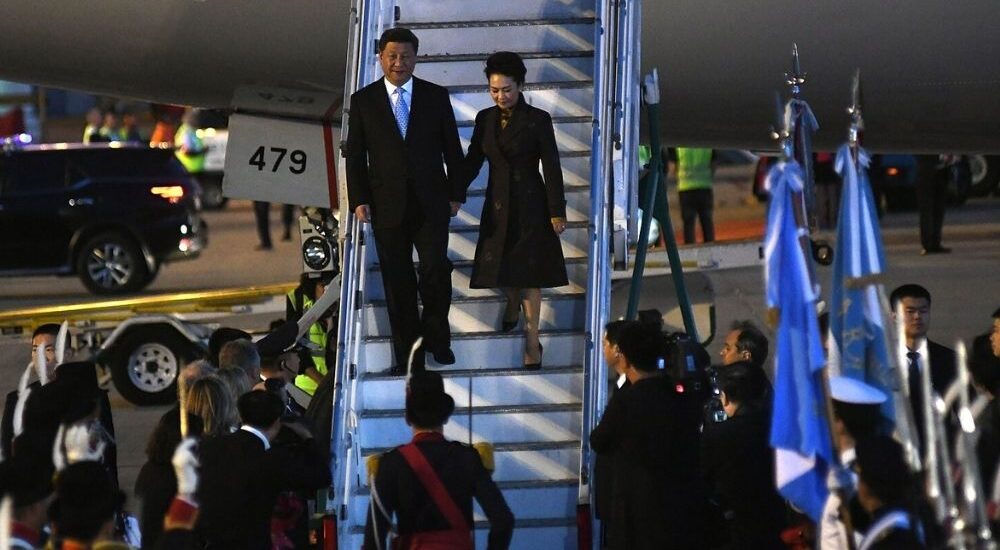
Chinese President Xi Jinping is expected to skip the upcoming G20 summit in India, according to sources familiar with the matter. Instead, Premier Li Qiang is likely to represent China at the summit, scheduled for September 9-10 in New Delhi. The summit was seen as a potential opportunity for Xi to meet with US President Joe Biden, who has confirmed his attendance. The absence of Xi could impact efforts to stabilize relations between the US and China, which have been strained by various trade and geopolitical tensions.
Russian President Vladimir Putin has already announced that he won’t be attending the G20 summit and will send Foreign Minister Sergei Lavrov in his place. The absence of both Xi and Putin could impact the dynamics and discussions at the summit. It’s unclear why Xi is expected to skip the event, and Chinese officials have not provided a reason for this decision.
The anticipation of a meeting between Xi and Biden has been fueled by recent visits of top US officials to Beijing, including Commerce Secretary Gina Raimondo’s visit this week. The two leaders last met on the sidelines of the G20 summit in Bali, Indonesia, in November of the previous year.
Another potential opportunity for a face-to-face meeting between Xi and Biden is the Asia-Pacific Economic Cooperation Leaders Meeting in San Francisco in November. However, Xi’s overseas trips have been limited since China eased its pandemic-induced border controls this year. He attended a meeting of leaders from the BRICS countries (Brazil, Russia, India, China, and South Africa) in South Africa last week.
China’s decision to skip the G20 summit could have implications for discussions on various global economic and geopolitical issues. It remains to be seen how this absence will affect the relationships between the participating countries and the outcomes of the summit.
Interested in learning more?
Sign up for Top Insights Today

Top Insights Today delivers the latest insights straight to your inbox.
You will get daily industry insights on
Oil & Gas, Rare Earths & Commodities, Mining & Metals, EVs & Battery Technology, ESG & Renewable Energy, AI & Semiconductors, Aerospace & Defense, Sanctions & Regulation, Business & Politics.
Read more insights
Morocco’s Laayoune power plant to explore green hydrogen future in joint initiative
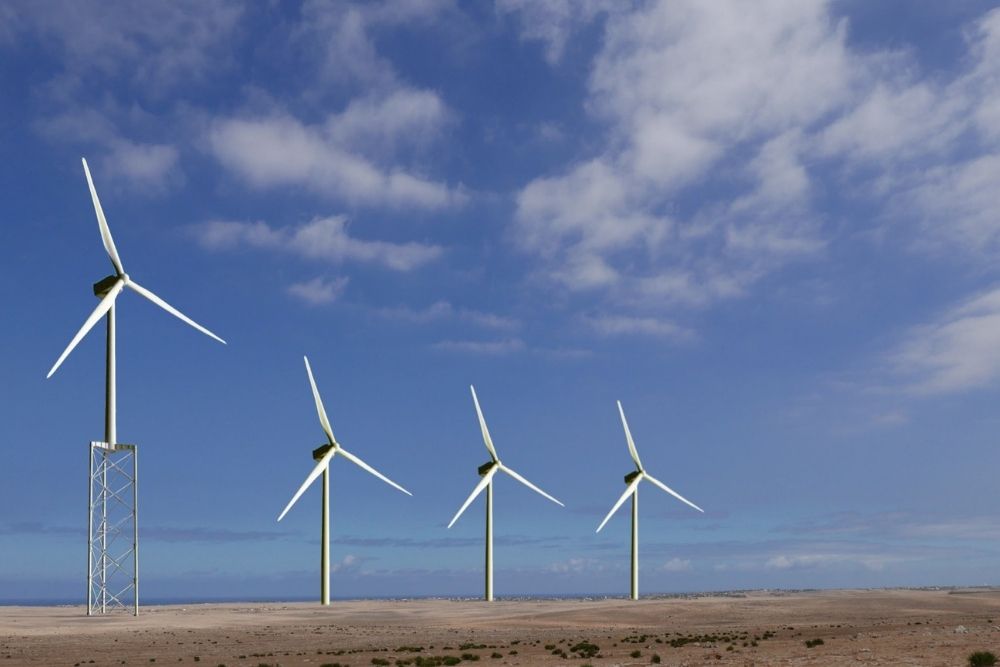
Moroccan electricity and water utility ONEE has entered into an agreement with renewable energy companies Nareva and GE Vernova to conduct a feasibility study for the transition to green hydrogen in operating a 99-megawatt power plant located in Laayoune, the largest city in Western Sahara…
Norway’s sovereign wealth fund makes U.S. renewable energy debut
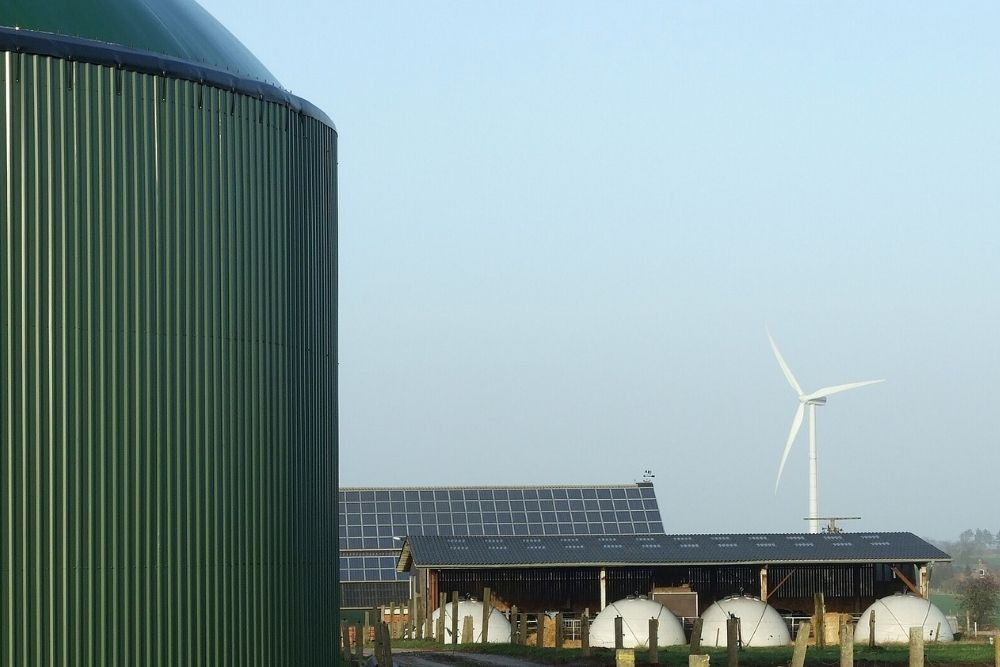
Norway’s sovereign wealth fund deployment of $425 million into American renewable energy assets, the vehicle’s first such investment in the United States despite managing over $1.7 trillion accumulated from petroleum extraction revenues, represents a profound strategic reorientation toward the stable, legally transparent North American energy sector amid the catastrophic disruptions plaguing Middle Eastern hydrocarbon supplies.
The timing proves particularly striking given that Norway’s Norsk Hydro simultaneously faces potential permanent loss of its Qatar Aluminium joint venture to the Hormuz crisis, illustrating how the nation’s dual identity as Europe’s largest gas producer and aspirational clean energy leader creates complex hedging strategies where oil wealth finances the renewable infrastructure theoretically rendering fossil fuel assets obsolete.

15,000 applications in Germany waiting for permit to transport wind turbines
Germany’s wind power expansion is facing significant delays due to a backlog of more than 15,000 applications for permits to transport heavy wind turbine components.