
Saudi Aramco planning to sell $50 billion worth of shares by the end of 2023
- September 4, 2023
- Posted by: Quatro Strategies
- Categories: Middle East, Oil & Gas
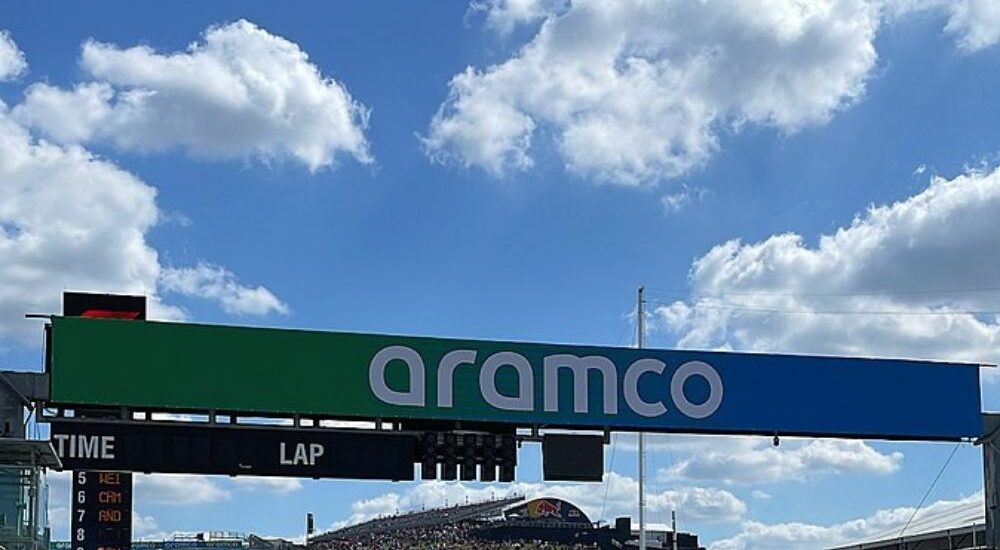
Saudi Aramco is reportedly considering a secondary share offering on the Riyadh bourse, aiming to sell a stake worth as much as $50 billion, according to reports. The sale could potentially occur before the end of this year, as Aramco has reportedly been in discussions with advisers and sounding out potential investors, including other multinational oil companies and sovereign-wealth funds. This move comes as Saudi Arabia decided to host any new Aramco offering on the Riyadh exchange, aiming to avoid legal risks tied to an international listing. Saudi Aramco has yet to comment on these reports.
Saudi Aramco is the largest oil company globally, with a market value of $2.25 trillion, and its shares have performed well, rising 19.6% this year. In 2019, the company conducted the world’s largest initial public offering (IPO), raising $25.6 billion, and later selling more shares to raise a total of $29.4 billion.
Saudi Arabia had initially planned to sell Aramco shares worth up to $50 billion last year but decided to delay due to unfavorable market conditions. Crown Prince Mohammed bin Salman announced in January 2021 that Aramco would sell more shares, with the proceeds intended to bolster the country’s primary sovereign wealth fund, the Public Investment Fund (PIF).
The PIF, which manages around $700 billion in assets, spent $32 billion domestically last year as part of an ambitious economic agenda to diversify the country’s economy away from oil by building new industries. Despite this spending, the fund reported a total comprehensive loss of $15.61 billion last year, according to its annual report.
In addition to these developments, Aramco recently announced an additional dividend of nearly $10 billion, with the majority going to the government, on top of its expected $153 billion base dividend for 2022 and 2023. In the second quarter of this year, the company reported a 38% decline in profit compared to the same period the previous year.
Interested in learning more?
Sign up for Top Insights Today

Top Insights Today delivers the latest insights straight to your inbox.
You will get daily industry insights on
Oil & Gas, Rare Earths & Commodities, Mining & Metals, EVs & Battery Technology, ESG & Renewable Energy, AI & Semiconductors, Aerospace & Defense, Sanctions & Regulation, Business & Politics.
Read more insights
BP to invest $1.5 billion in Egyptian gas projects and drilling initiatives
BP is gearing up to allocate approximately $1.5 billion towards the development of gas projects and drilling endeavors in Egypt over the next three to four years, as revealed by the company on Wednesday. Earlier this month, BP and the UAE’s state-owned Abu Dhabi National Oil Company (ADNOC) disclosed…
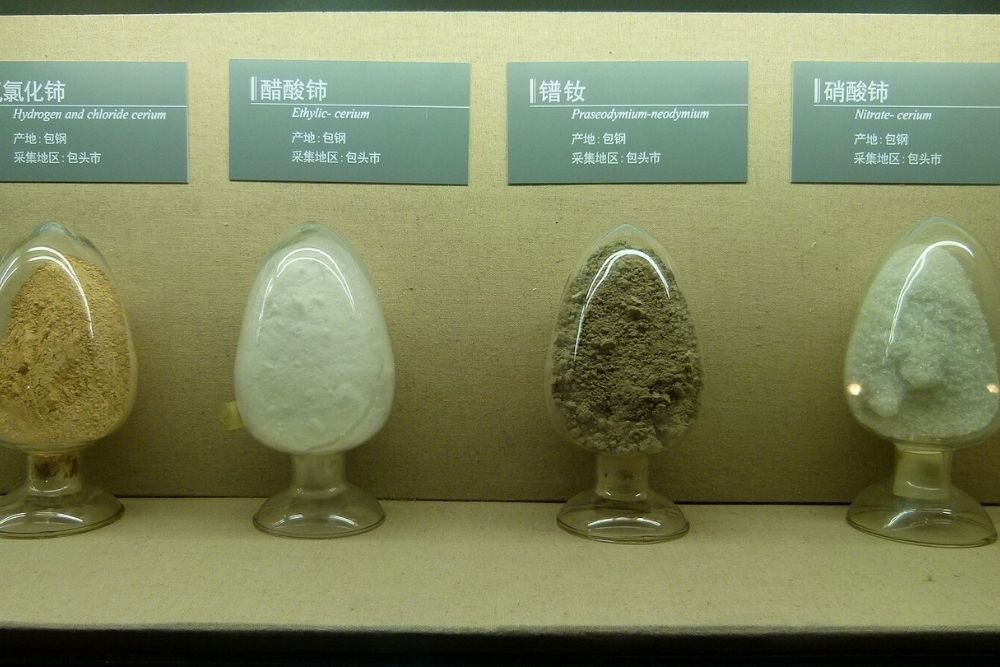
Rare earth prices in China soared to 20-month high
Chinese rare earth prices have experienced a significant surge, reaching their highest levels in 20 months. This price escalation can be attributed to the suspension of mining operations in Myanmar, which is a major producer of rare earth elements.
U.S. solar duties and China WTO case hit India’s PLI playbook
India’s effort to build “factory-state” scale manufacturing capacity is running into a predictable but still painful reality: once subsidies and domestic-preference tools become large enough to reshape trade flows, they stop being treated as internal development policy and start being treated as actionable trade distortion by major partners.
India is being challenged simultaneously from two directions. Washington has moved against Indian solar exports through U.S. trade remedies, while Beijing has escalated a formal WTO dispute targeting India’s incentives for autos and renewable technologies.