
Saudi Aramco planning to sell $50 billion worth of shares by the end of 2023
- September 4, 2023
- Posted by: Quatro Strategies
- Categories: Middle East, Oil & Gas
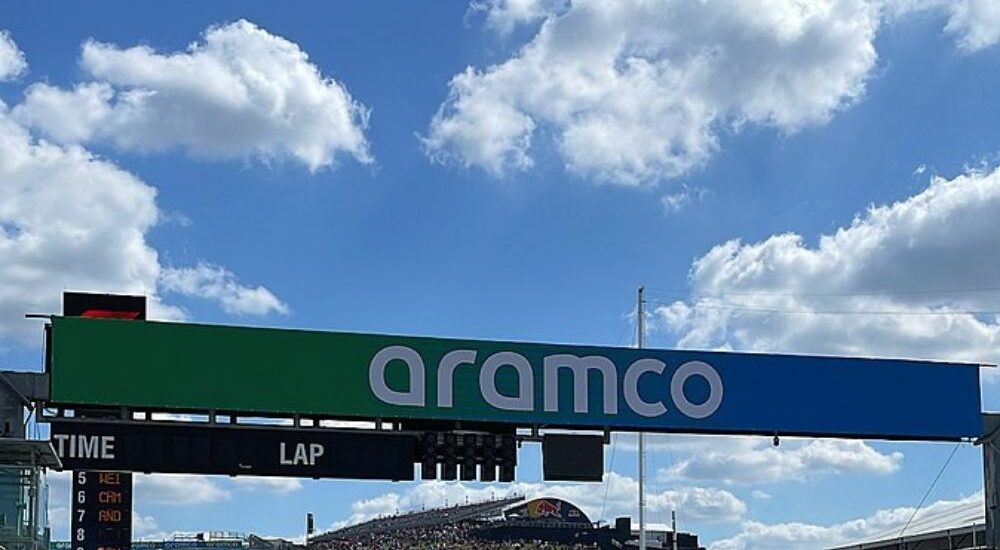
Saudi Aramco is reportedly considering a secondary share offering on the Riyadh bourse, aiming to sell a stake worth as much as $50 billion, according to reports. The sale could potentially occur before the end of this year, as Aramco has reportedly been in discussions with advisers and sounding out potential investors, including other multinational oil companies and sovereign-wealth funds. This move comes as Saudi Arabia decided to host any new Aramco offering on the Riyadh exchange, aiming to avoid legal risks tied to an international listing. Saudi Aramco has yet to comment on these reports.
Saudi Aramco is the largest oil company globally, with a market value of $2.25 trillion, and its shares have performed well, rising 19.6% this year. In 2019, the company conducted the world’s largest initial public offering (IPO), raising $25.6 billion, and later selling more shares to raise a total of $29.4 billion.
Saudi Arabia had initially planned to sell Aramco shares worth up to $50 billion last year but decided to delay due to unfavorable market conditions. Crown Prince Mohammed bin Salman announced in January 2021 that Aramco would sell more shares, with the proceeds intended to bolster the country’s primary sovereign wealth fund, the Public Investment Fund (PIF).
The PIF, which manages around $700 billion in assets, spent $32 billion domestically last year as part of an ambitious economic agenda to diversify the country’s economy away from oil by building new industries. Despite this spending, the fund reported a total comprehensive loss of $15.61 billion last year, according to its annual report.
In addition to these developments, Aramco recently announced an additional dividend of nearly $10 billion, with the majority going to the government, on top of its expected $153 billion base dividend for 2022 and 2023. In the second quarter of this year, the company reported a 38% decline in profit compared to the same period the previous year.
Interested in learning more?
Sign up for Top Insights Today

Top Insights Today delivers the latest insights straight to your inbox.
You will get daily industry insights on
Oil & Gas, Rare Earths & Commodities, Mining & Metals, EVs & Battery Technology, ESG & Renewable Energy, AI & Semiconductors, Aerospace & Defense, Sanctions & Regulation, Business & Politics.
Read more insights
US moves to cut off China’s AI chip supply as TSMC ordered to stop 7nm shipment
The U.S. has escalated its restrictions on advanced semiconductor exports to China by ordering Taiwan Semiconductor Manufacturing Co. (TSMC) to halt shipments of certain high-end chips, specifically 7-nanometer or more advanced designs, to Chinese customers. These chips are often used in artificial intelligence (AI) applications…
Strong earnings keep stocks up despite oil and war anxiety
Global markets are still behaving as though the Iran war is serious but manageable, with investors choosing to focus on earnings strength and the AI-led profit cycle rather than fully repricing the geopolitical shock. Stocks rose on Tuesday, with the S&P 500 up 0.6%, the Nasdaq up 0.9%, and Europe’s STOXX 600 up 0.5%, as strong results from companies such as Anheuser-Busch and UniCredit helped offset renewed concern over Gulf hostilities.
At the same time, Brent crude remained extremely elevated at $111.27 a barrel even after pulling back from levels near $115 the day before, when renewed fighting pushed prices sharply higher. The immediate market message is that investors are still splitting the world into two separate stories.

US to finalize new curbs on investments in China’s AI, advanced tech over security risks
The Biden administration announced it is finalizing new regulations to limit U.S. investments in China’s artificial intelligence and advanced technology sectors, citing national security concerns. Expected to go into effect on January 2, the rules follow an executive order signed by President Biden in August 2023 and specifically target…