
Geopolitical risks, supply chain issues take place of sustainability as auto industry priorities
- September 4, 2023
- Posted by: Quatro Strategies
- Categories: Business & Politics, ESG & Renewable Energy
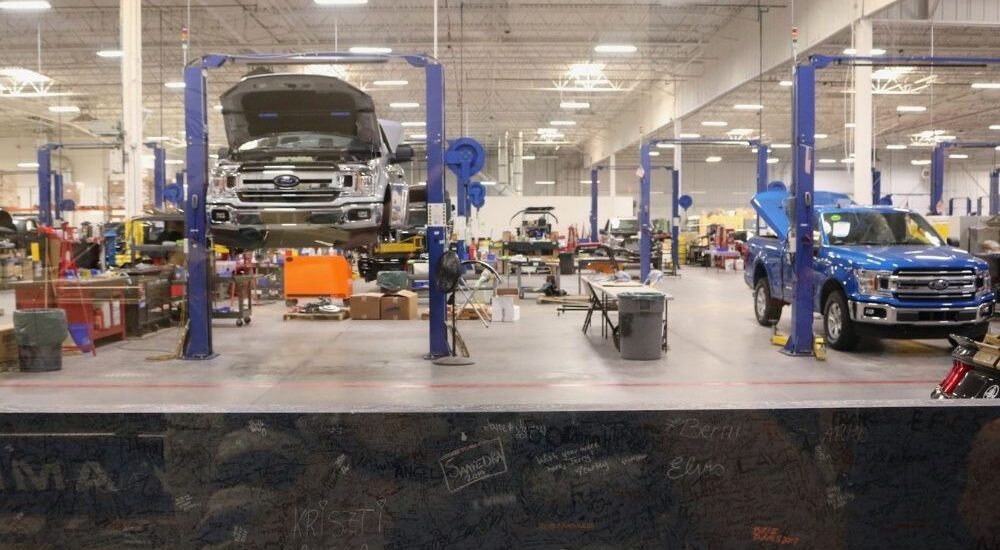
Automakers and suppliers are shifting their sourcing priorities as they deprioritize sustainability initiatives and focus on reducing exposure to geopolitical risks. A survey, which included responses from over 1,000 executives in the automotive industry, revealed a decline of 9-11 percentage points in the number of companies implementing sustainability initiatives such as carbon footprint mapping, route optimization for emissions reduction, and providing detailed production information on origins and manufacturing between 2022 and 2023.
The average investment in sustainability initiatives has also decreased, falling from $36.6 million in 2022 to $30.5 million in 2023. Notably, around one-third of the surveyed companies admitted to lacking a comprehensive sustainability strategy.
The survey results also highlighted a shift in supply chain decision-making priorities. The primary factors influencing these decisions included quality, geopolitical risk, cost, and resilience, with sustainability considerations lagging behind. Companies are emphasizing the need to ensure operational continuity in the face of ongoing supply chain challenges, such as the COVID-19 pandemic, geopolitical tensions, semiconductor shortages, and rising costs.
Furthermore, the survey revealed that roughly 50% of semiconductor supply remains insecure, with full-stack computing platforms and microcontrollers being the most challenging to obtain. Consequently, companies are reducing their reliance on offshore supply sources. The survey noted that the proportion of supply obtained from offshore locations has decreased by over a fifth in the past two years, and another one-fifth reduction in the next two years is anticipated.
The survey suggests that sustainability initiatives are being deprioritized in favor of risk mitigation and enhancing supply chain resilience as companies adapt to the challenges posed by the ongoing supply chain disruptions and geopolitical uncertainties.
Interested in learning more?
Sign up for Top Insights Today
Top Insights Today delivers the latest insights straight to your inbox.
You will get daily industry insights on
Oil & Gas, Rare Earths & Commodities, Mining & Metals, EVs & Battery Technology, ESG & Renewable Energy, AI & Semiconductors, Aerospace & Defense, Sanctions & Regulation, Business & Politics.
Read more insights

Trump’s tariff shock spurs industrial realignment toward U.S. shores
A growing number of global companies are planning to expand manufacturing and supply operations in the United States in response to President Donald Trump’s sweeping tariffs, which have upended established trade flows and made it more expensive to import goods into the U.S. from abroad. These moves reflect a broader corporate shift aimed at hedging against rising trade barriers and safeguarding access to the world’s largest consumer market.
Among the most prominent announcements, Swiss drugmaker Novartis said it would spend $23 billion to build and expand ten facilities across the U.S., one of the biggest bets yet on reshoring production. In the automotive sector, BMW is considering adding production shifts at its Spartanburg, South Carolina, plant to increase output by up to 80,000 vehicles, while Nissan, Volkswagen, Volvo, and Honda are all evaluating plans to increase U.S. production or shift operations from Japan and Europe to avoid tariff exposure.
POSCO, Hyundai Steel consider U.S. expansion as tariffs hit exports
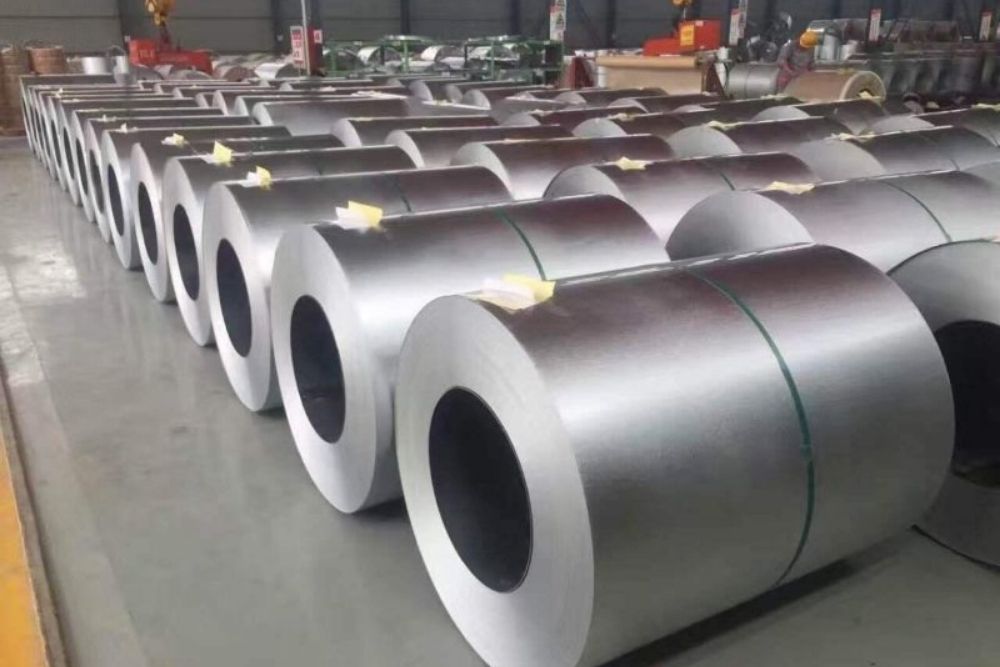
South Korean steelmakers are weighing their investment options in response to the latest U.S. tariffs on steel and aluminum imports, which took effect on Wednesday. The tariffs, set at 25%, apply broadly to all steel and aluminum imports and extend to a range of downstream metal products. While Canada, Brazil, Mexico, and South Korea are among the countries most affected, steelmakers worldwide are bracing for the broader impact.
POSCO Holdings, South Korea’s largest steelmaker, stated that it is focusing on high-value-added products and enhancing its cost efficiency. The company is also reviewing potential investments in upstream steel processes in the U.S. or India, though no final decisions have been made. Hyundai Steel, a competitor, is considering constructing a plant in the southeastern U.S. The company acknowledged that the increased tariffs pose a significant challenge for South Korea’s steel industry.
G7 finance chiefs explore rare earth price floor to counter China reliance
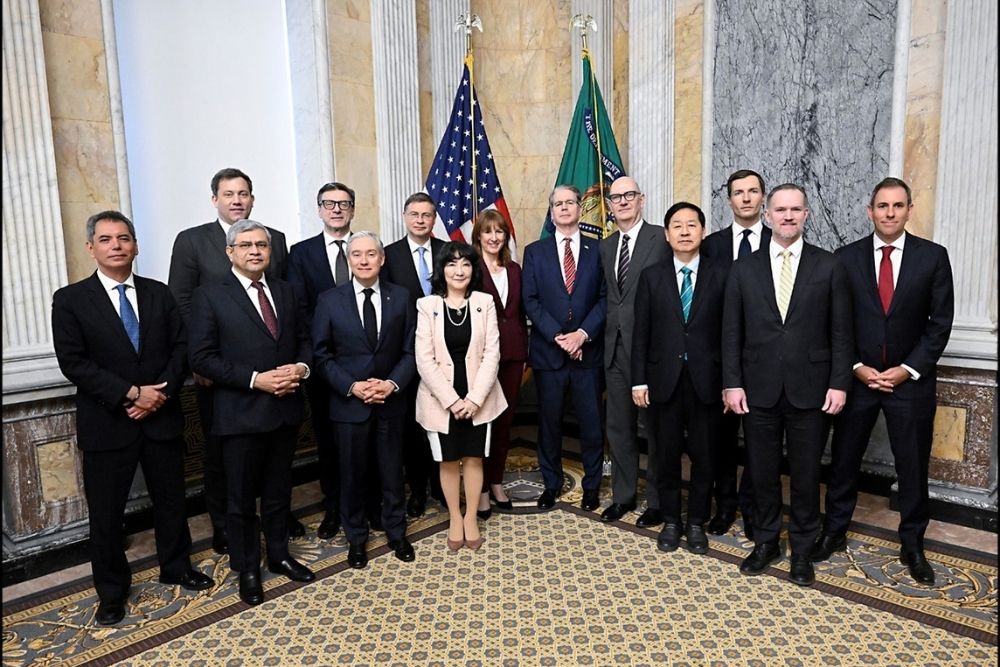
Finance ministers from the G7 and a wider circle of major economies used a Washington meeting to elevate rare earths from a specialist “industrial policy” topic into a mainstream macro-financial coordination problem. Convened by U.S. Treasury Secretary Scott Bessent, the gathering brought together the G7, the European Union, and invited partners including Australia, India, South Korea, and Mexico, countries that collectively represent a large majority of global demand for critical minerals.
The core objective was to identify practical levers that can reduce dependence on China’s rare-earth supply chains without trying to engineer a wholesale rupture in trade, which U.S. officials framed as “prudent de-risking over decoupling.”