
Brazil’s Petrobras pushes for refinery purchase from UAE’s Mubadala
- September 5, 2023
- Posted by: Quatro Strategies
- Categories: Americas, Middle East, Oil & Gas
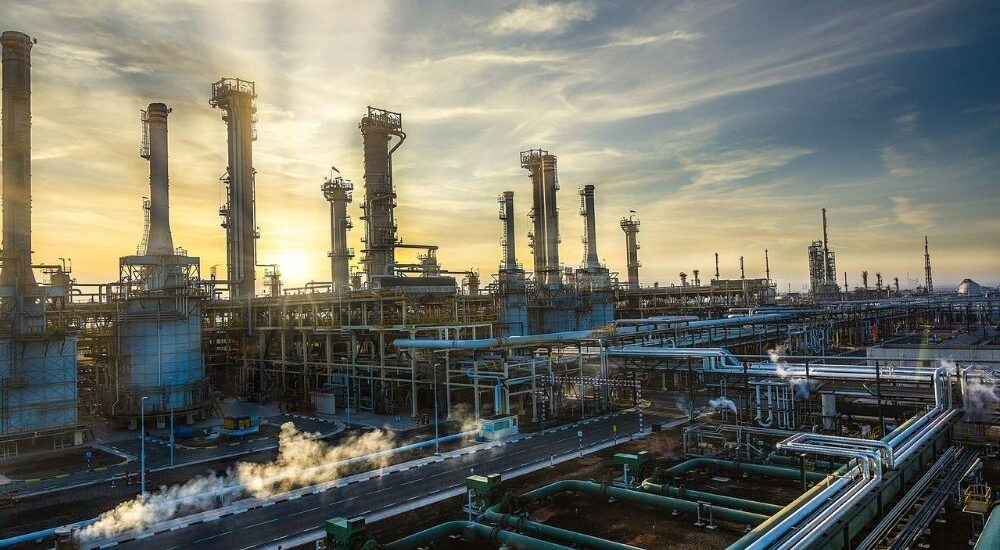
Brazil’s state-run oil company, Petrobras, is reportedly interested in repurchasing a refinery from Abu Dhabi’s state investor, Mubadala, despite facing antitrust barriers. This interest comes after Petrobras announced a memorandum of understanding with Mubadala for potential investment in a biofuel refinery project in Bahia state, Brazil, which is being developed by Mubadala-owned Acelen. The project will utilize infrastructure from Acelen’s Mataripe refinery, which was sold by Petrobras to Mubadala in 2021.
While the biofuel refinery investment is separate from the potential repurchase of the Mataripe refinery, it could create an opportunity for future discussions between Petrobras and Mubadala regarding the Mataripe facility. Petrobras has reportedly been interested in regaining control of the Mataripe refinery, which was part of its asset divestment program.
However, any attempt by Petrobras to repurchase the Mataripe refinery would require discussions with Brazil’s antitrust regulator, the Administrative Council for Economic Defense (Cade). Petrobras had previously agreed to sell several of its refineries outside the states of Rio de Janeiro and Sao Paulo to comply with competition regulations. The outcome of talks with Cade and the regulator’s assessment of market conditions will likely play a crucial role in any potential repurchase agreement.
This development underscores the complexity of asset divestment and repurchase negotiations in the energy industry, particularly when regulatory considerations are involved. It also highlights the significance of Brazil’s biofuel industry, as the memorandum of understanding with Mubadala involves investment in a biofuel refinery, which is a growing sector in the country’s energy landscape.
Interested in learning more?
Sign up for Top Insights Today

Top Insights Today delivers the latest insights straight to your inbox.
You will get daily industry insights on
Oil & Gas, Rare Earths & Commodities, Mining & Metals, EVs & Battery Technology, ESG & Renewable Energy, AI & Semiconductors, Aerospace & Defense, Sanctions & Regulation, Business & Politics.
Read more insights
America finds the right mineral gaps with too little money
The Export-Import Bank announced three loans on Friday totalling 58 million dollars, timed to coincide with a White House roundtable at which the President met executives from some of the world’s largest mining companies. The framing was expansive.
EXIM chairman John Jovanovic said critical mineral security is national security, and described the funding as intended to fortify supply chains, restore crucial industries supporting well-paying American jobs, and safeguard everyday Americans from supply shocks. The sum involved would not cover the engineering studies for a single large copper mine.

EU carbon price tumbles as leaders float ETS delays
Europe’s carbon market has become the latest battleground in the EU’s competitiveness debate, and the speed of the price reaction shows how politically “priced” the system has become.
On Thursday, benchmark EU carbon permits fell hard, down to roughly the low-€70s per ton, after several leaders, led by Germany’s Chancellor Friedrich Merz and backed by Italy’s Giorgia Meloni and the Czech Republic’s Andrej Babiš, openly floated revising or delaying parts of the EU Emissions Trading System (ETS).
US expands sanctions on Iran’s oil sector following missile attack on Israel
On Friday, the United States broadened its sanctions against Iran’s petroleum and petrochemical sectors following an Iranian missile attack on Israel, as stated by President Joe Biden’s administration. This new measure includes petroleum and petrochemicals in an executive order aimed at crippling key sectors of…