
Brazil’s Petrobras pushes for refinery purchase from UAE’s Mubadala
- September 5, 2023
- Posted by: Quatro Strategies
- Categories: Americas, Middle East, Oil & Gas
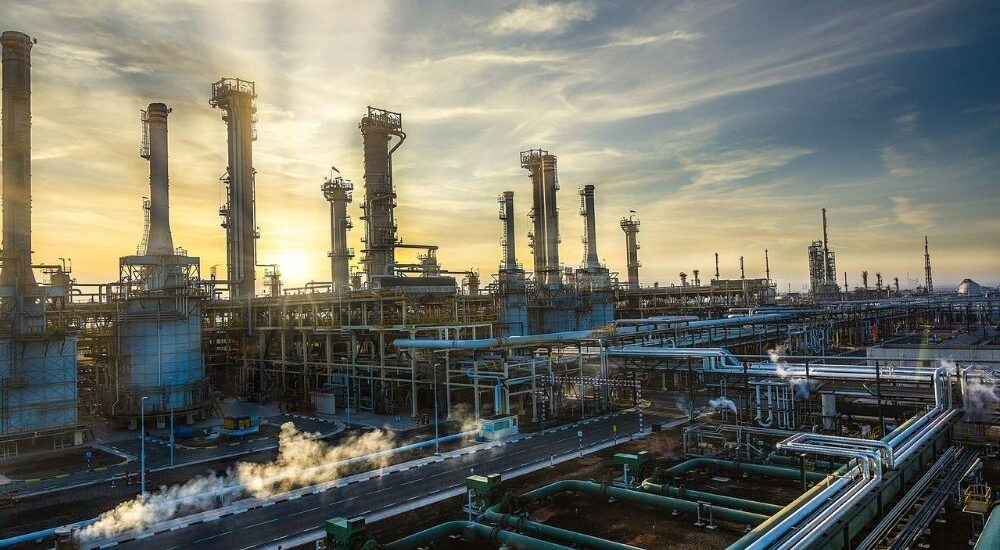
Brazil’s state-run oil company, Petrobras, is reportedly interested in repurchasing a refinery from Abu Dhabi’s state investor, Mubadala, despite facing antitrust barriers. This interest comes after Petrobras announced a memorandum of understanding with Mubadala for potential investment in a biofuel refinery project in Bahia state, Brazil, which is being developed by Mubadala-owned Acelen. The project will utilize infrastructure from Acelen’s Mataripe refinery, which was sold by Petrobras to Mubadala in 2021.
While the biofuel refinery investment is separate from the potential repurchase of the Mataripe refinery, it could create an opportunity for future discussions between Petrobras and Mubadala regarding the Mataripe facility. Petrobras has reportedly been interested in regaining control of the Mataripe refinery, which was part of its asset divestment program.
However, any attempt by Petrobras to repurchase the Mataripe refinery would require discussions with Brazil’s antitrust regulator, the Administrative Council for Economic Defense (Cade). Petrobras had previously agreed to sell several of its refineries outside the states of Rio de Janeiro and Sao Paulo to comply with competition regulations. The outcome of talks with Cade and the regulator’s assessment of market conditions will likely play a crucial role in any potential repurchase agreement.
This development underscores the complexity of asset divestment and repurchase negotiations in the energy industry, particularly when regulatory considerations are involved. It also highlights the significance of Brazil’s biofuel industry, as the memorandum of understanding with Mubadala involves investment in a biofuel refinery, which is a growing sector in the country’s energy landscape.
Interested in learning more?
Sign up for Top Insights Today

Top Insights Today delivers the latest insights straight to your inbox.
You will get daily industry insights on
Oil & Gas, Rare Earths & Commodities, Mining & Metals, EVs & Battery Technology, ESG & Renewable Energy, AI & Semiconductors, Aerospace & Defense, Sanctions & Regulation, Business & Politics.
Read more insights

Record U.S. customs revenue eases deficit, but fiscal risks remain
The U.S. government saw a significant boost in customs revenue in May, setting a new monthly record and helping narrow the budget deficit, even as questions loom over whether this surge in tariff income can be sustained amid fragile trade negotiations and looming legal challenges.
According to the Treasury Department’s latest monthly budget report, customs duties collected in May totaled $23 billion—a staggering 270% increase from the same month in 2024 and more than three times the 2024 monthly average. The dramatic upswing was primarily driven by a suite of new tariffs enacted by President Donald Trump in early April, including elevated levies on a wide range of Chinese imports.
US prepares for potential Russian uranium import ban with domestic capacity boost
The United States has been making preparations since 2022 for the potential scenario where Russian President Vladimir Putin halts the sale of nuclear power fuel to the U.S. The pending ban on Russian imports, which the U.S. Senate recently passed and is expected to be signed by President Joe Biden…

AWS links up with Rio Tinto to hedge copper needs via revived Arizona mine
Amazon is beginning to treat copper the way it already treats power: as a strategic input that can no longer be assumed to be plentiful, cheap, and instantly available. The company has struck a two-year supply arrangement through Amazon Web Services with Rio Tinto linked to a revived copper operation in Arizona, effectively using a small but symbolically important domestic source as a hedge against a tightening global copper balance.
The mine restart is also a commercial proving ground for Rio Tinto’s “Nuton” approach, an updated form of bioleaching that uses bacteria and acid to coax copper out of low-grade ores that conventional processing would have written off as uneconomic.