
Israel, Greece, Cyprus discuss East Med energy cooperation
- September 5, 2023
- Posted by: Quatro Strategies
- Categories: Business & Politics, Europe, Middle East, Oil & Gas
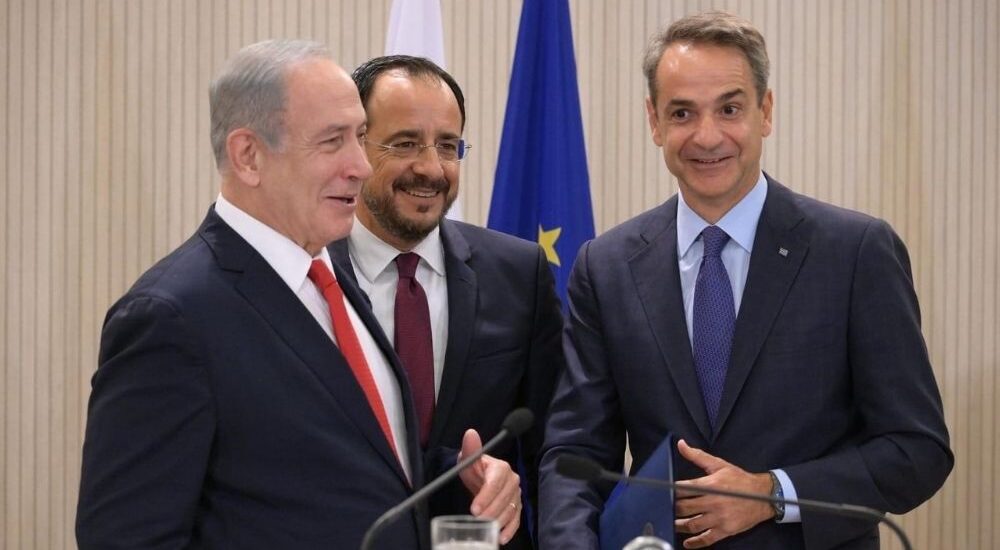
Leaders from Israel, Greece, and Cyprus have reaffirmed their commitment to deepening energy cooperation in the Eastern Mediterranean. The region has experienced significant natural gas discoveries in the past decade, particularly off the coasts of Israel and Egypt. Recent geopolitical developments, including Russia’s invasion of Ukraine, have increased interest in diversifying Europe’s energy sources.
During a tripartite summit in Nicosia, Israeli Prime Minister Benjamin Netanyahu, Greek Prime Minister Kyriakos Mitsotakis, and Cyprus’ President Nikos Christodoulides discussed the potential for exporting East Mediterranean gas to Europe and connecting electricity grids. They emphasized the importance of energy diversification and increased interconnectivity, especially in Europe.
One proposal under consideration involves the creation of a short pipeline linking Israel’s gas fields in the East Mediterranean to a liquefaction facility on Cyprus. This facility could then export liquefied natural gas (LNG) to European markets, offering a more reliable energy supply route.
Additionally, the leaders expressed enthusiasm for the EuroAsia Interconnector project, a subsea electricity cable backed by the European Union. The project aims to connect the electricity grids of Israel and Cyprus to Greece, with a capacity of up to 2,000 megawatts. This interconnection would enhance energy security and help meet Europe’s growing demand for electricity.
The leaders also highlighted their strong economic ties, with Netanyahu mentioning their shared appreciation for each other’s food products. He noted Israel’s intention to open its dairy market to Greek and Cypriot imports, fostering greater economic collaboration between the nations.
Overall, the summit signaled a commitment to regional cooperation in the energy sector, with a focus on leveraging the East Mediterranean’s energy resources to enhance energy security and meet Europe’s energy needs. The leaders anticipated making important decisions regarding gas exports and infrastructure development in the coming months.
Interested in learning more?
Sign up for Top Insights Today

Top Insights Today delivers the latest insights straight to your inbox.
You will get daily industry insights on
Oil & Gas, Rare Earths & Commodities, Mining & Metals, EVs & Battery Technology, ESG & Renewable Energy, AI & Semiconductors, Aerospace & Defense, Sanctions & Regulation, Business & Politics.
Read more insights
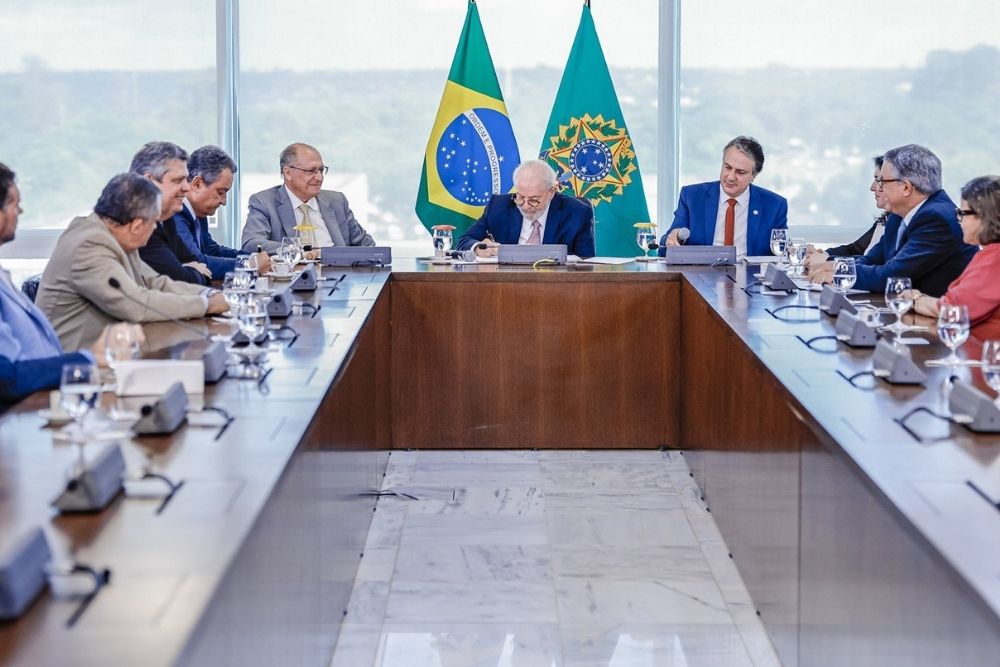
Brazil moves to nationalize strategic minerals policy
Brazilian President Luiz Inácio Lula da Silva announced a sweeping shift in national mineral policy on Wednesday, declaring that strategic minerals will henceforth be treated as a matter of national sovereignty. The move signals Brazil’s intention to move up the value chain in critical minerals production, such as rare earths, lithium, and nickel, by prioritizing domestic processing and manufacturing over raw material exports.
Lula underscored his ambition to reverse a century-old pattern of economic dependence: “We won’t allow what happened in the last century to happen again, where Brazil exports raw minerals and then buys products with very high added value,” he said. “We want to add value in Brazil.”
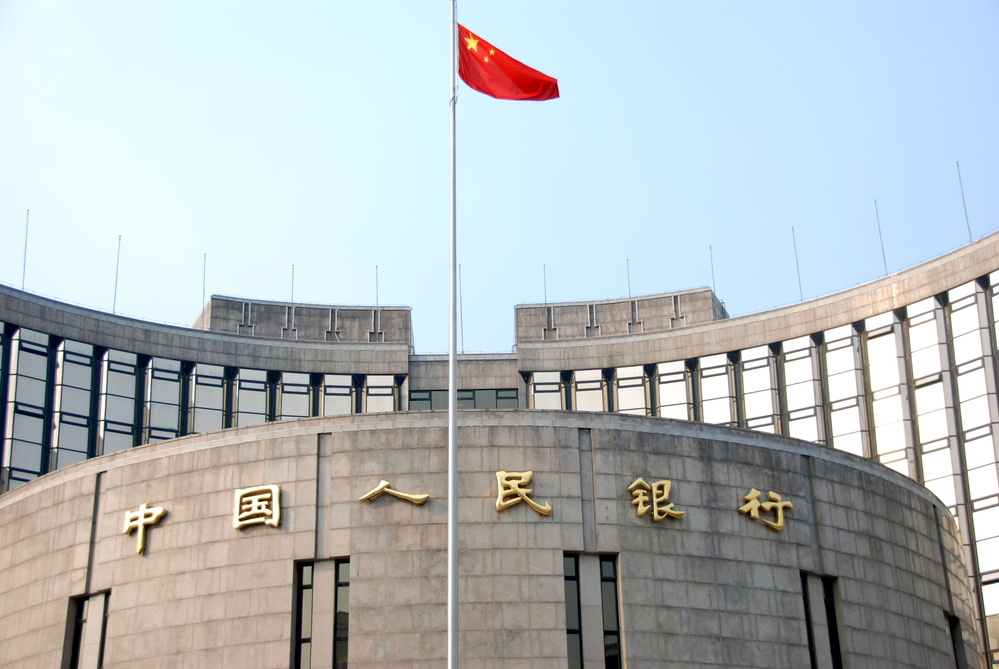
China eases car loan restrictions to boost auto market amidst sluggish demand
China’s central bank announced revisions to car loans on Wednesday, aiming to stimulate auto trade-ins and eliminate government-mandated minimum down payments for consumers financing new car purchases. These changes, the first since the beginning of 2018, represent the latest effort to bolster…
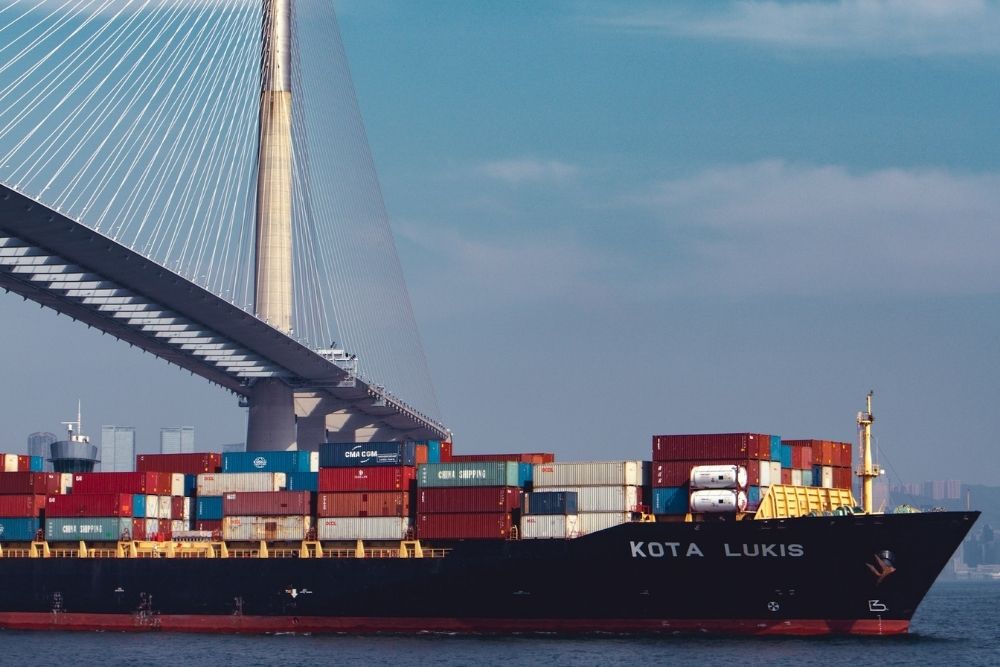
Beijing tightens pressure on Japan with calibrated dual-use controls
China’s latest export-control move against Japanese companies is best understood as a calibrated escalation in economic coercion rather than a blunt trade rupture. Beijing has now taken a two-track approach: it placed 20 Japanese entities on a full dual-use export control list while putting another 20 on a tighter “watch” or monitoring list that raises licensing scrutiny without imposing an outright ban.
The targets include major industrial and defense-linked names, with the stated Chinese rationale centered on curbing Japan’s “remilitarization.” What makes this politically significant is the timing. The measures come after Prime Minister Sanae Takaichi’s recent election victory and after a period in which some in Tokyo may have hoped Beijing would soften its posture once her domestic mandate was secured.