
Italy’s Eni agreed to sell Nigerian onshore subsidiary to local company Oando
- September 5, 2023
- Posted by: Quatro Strategies
- Categories: Africa, Business & Politics, Europe, Oil & Gas
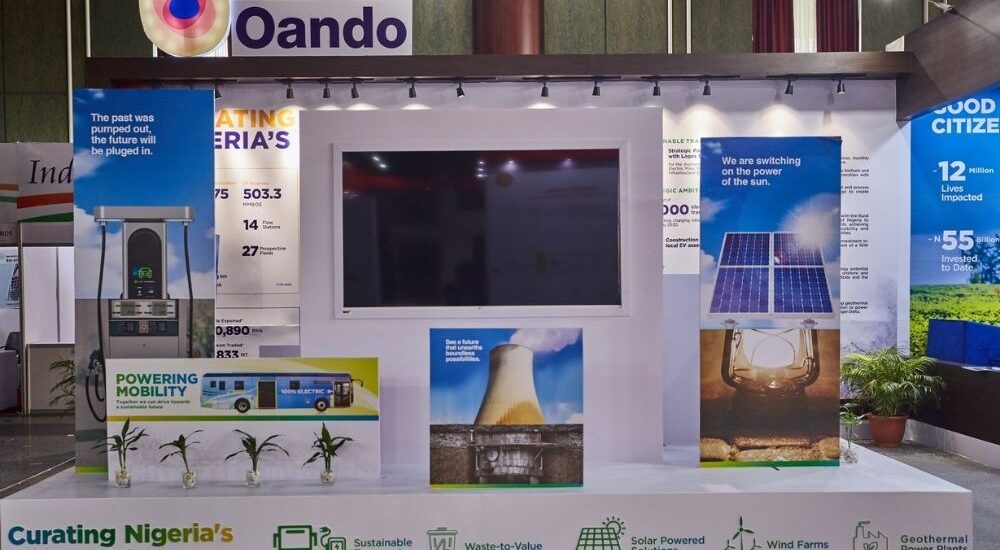
Italy’s Eni has reached an agreement to sell its Nigerian onshore subsidiary, Agip Oil Company Ltd (NAOC), to local firm Oando. This move is part of Eni’s broader strategy to reduce its exposure to oil in favor of natural gas, following the sale of its oil activities in the Congo Republic in June. However, Eni will retain its offshore activities in Nigeria.
For Oando, the acquisition of NAOC Ltd will significantly boost its reserves, nearly doubling them to 996 million barrels of oil equivalent. The purchase is expected to increase production for Oando and highlights the growing role of indigenous companies in Nigeria’s upstream sector.
The exact financial details of the deal were not disclosed, but investment bank Jefferies estimated the transaction to be valued at over $500 million. This sale follows a trend of international oil majors divesting their onshore assets in Nigeria due to challenges such as oil theft, spills, community conflicts, and a shift toward more focused exploration budgets.
Most major oil companies have retained stakes in offshore assets in Nigeria despite divesting from onshore operations. Nigeria, Africa’s largest oil exporter, faces challenges in maintaining and expanding its oil production due to theft and underinvestment. However, some energy majors are hesitant to invest further in developing these offshore assets as they intend to sell them.
The sale of NAOC Ltd is subject to local and regulatory approvals. After the transaction, Eni will maintain a 5% stake in the Shell Production Development Company (SPDC) joint venture operated by Shell. The Nigerian government has been keen to attract investment in its oil sector, which is vital for its foreign exchange earnings, but other proposed deals have faced legal and regulatory challenges.
This sale reflects the evolving dynamics in Nigeria’s oil and gas sector and highlights the increasing importance of indigenous companies in its development.
Interested in learning more?
Sign up for Top Insights Today

Top Insights Today delivers the latest insights straight to your inbox.
You will get daily industry insights on
Oil & Gas, Rare Earths & Commodities, Mining & Metals, EVs & Battery Technology, ESG & Renewable Energy, AI & Semiconductors, Aerospace & Defense, Sanctions & Regulation, Business & Politics.
Read more insights
Germany secures EU nod for billions in state support for gas-powered plants
Germany has gained the European Union’s informal approval to allocate billions of euros to support gas-powered plants, aiming to stabilize the grid when renewable energy supplies are insufficient. An agreement in principle has been reached with the EU’s competition authorities for state support for a 10 gigawatt…

India’s growth model finally shifts from consumption to investment
For a decade, India’s growth was diagnosed with the same complaint. It ran on consumption and government spending, private companies would not invest, and the capital expenditure cycle everyone kept forecasting never quite began. The April-to-June figures suggest it has.
GDP grew 7.8 percent against the Reserve Bank’s 7 percent projection and 6.9 percent a year earlier, and the composition beneath that number is what makes it interesting. Gross fixed capital formation rose 11.9 percent in real terms, more than double the 5.8 percent of a year earlier and the strongest real investment print since late 2018 excluding pandemic volatility.
Taiwan turns chip dominance into a diplomatic strategy
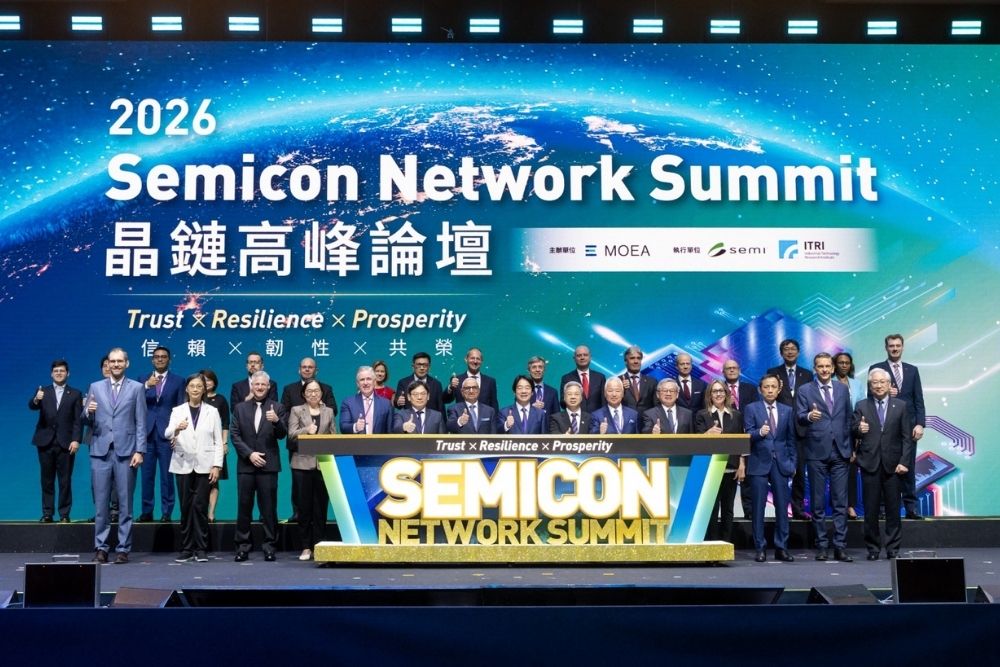
Taiwan is using its dominance in advanced semiconductors to deepen political and economic ties with democratic partners, presenting itself as an indispensable and trustworthy supplier for the artificial intelligence era. At the SEMICON Taiwan trade show, Taiwanese officials and industry leaders framed the island’s chip sector not merely as a commercial success, but as a strategic asset rooted in democracy, rule of law and cooperation with like-minded economies.
The message was carefully calibrated. Taiwan wants the world to recognize that its semiconductor ecosystem is essential to AI, cloud computing, defense technology and advanced manufacturing. It also wants to show that it is willing to share the benefits of that strength through overseas investment and supply-chain partnerships. But it must do so without weakening the central role of Taiwan itself, especially as the United States and Europe press for more production on their own soil.