
Italy’s Eni agreed to sell Nigerian onshore subsidiary to local company Oando
- September 5, 2023
- Posted by: Quatro Strategies
- Categories: Africa, Business & Politics, Europe, Oil & Gas
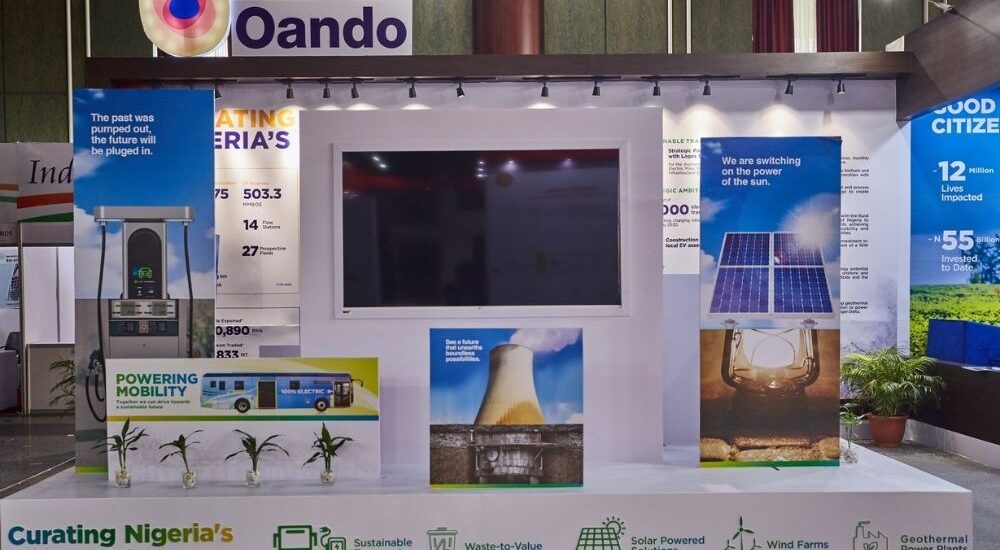
Italy’s Eni has reached an agreement to sell its Nigerian onshore subsidiary, Agip Oil Company Ltd (NAOC), to local firm Oando. This move is part of Eni’s broader strategy to reduce its exposure to oil in favor of natural gas, following the sale of its oil activities in the Congo Republic in June. However, Eni will retain its offshore activities in Nigeria.
For Oando, the acquisition of NAOC Ltd will significantly boost its reserves, nearly doubling them to 996 million barrels of oil equivalent. The purchase is expected to increase production for Oando and highlights the growing role of indigenous companies in Nigeria’s upstream sector.
The exact financial details of the deal were not disclosed, but investment bank Jefferies estimated the transaction to be valued at over $500 million. This sale follows a trend of international oil majors divesting their onshore assets in Nigeria due to challenges such as oil theft, spills, community conflicts, and a shift toward more focused exploration budgets.
Most major oil companies have retained stakes in offshore assets in Nigeria despite divesting from onshore operations. Nigeria, Africa’s largest oil exporter, faces challenges in maintaining and expanding its oil production due to theft and underinvestment. However, some energy majors are hesitant to invest further in developing these offshore assets as they intend to sell them.
The sale of NAOC Ltd is subject to local and regulatory approvals. After the transaction, Eni will maintain a 5% stake in the Shell Production Development Company (SPDC) joint venture operated by Shell. The Nigerian government has been keen to attract investment in its oil sector, which is vital for its foreign exchange earnings, but other proposed deals have faced legal and regulatory challenges.
This sale reflects the evolving dynamics in Nigeria’s oil and gas sector and highlights the increasing importance of indigenous companies in its development.
Interested in learning more?
Sign up for Top Insights Today

Top Insights Today delivers the latest insights straight to your inbox.
You will get daily industry insights on
Oil & Gas, Rare Earths & Commodities, Mining & Metals, EVs & Battery Technology, ESG & Renewable Energy, AI & Semiconductors, Aerospace & Defense, Sanctions & Regulation, Business & Politics.
Read more insights
Tariff revenue surges 60%, hits historic high under Trump’s trade overhaul
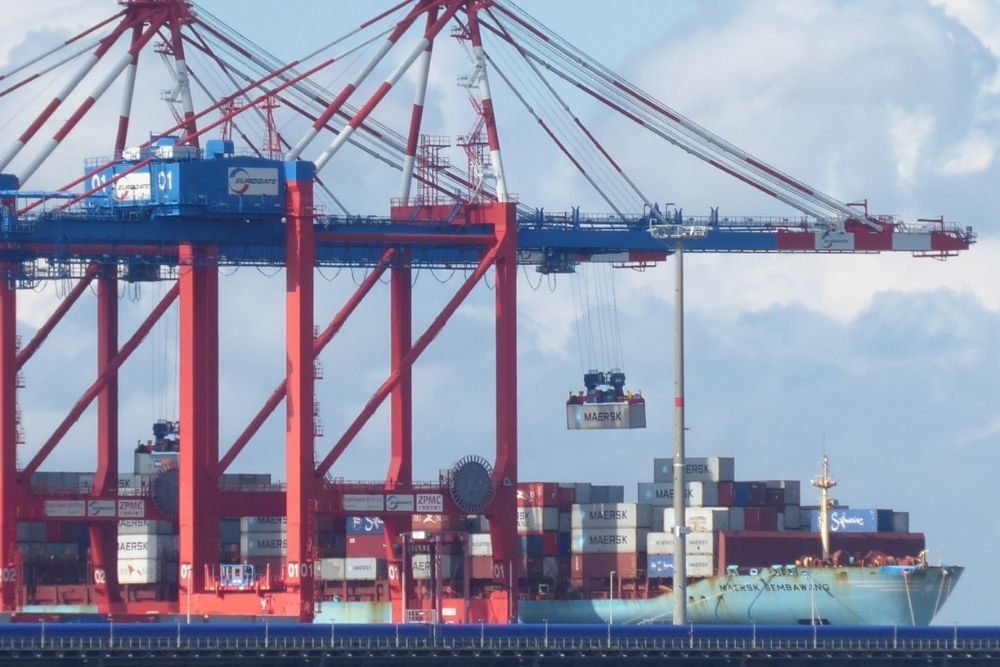
The sharp 60% surge in U.S. customs revenue in April — driven by President Donald Trump’s newly enacted tariffs — marks a historic high point in tariff collections and signals a dramatic shift in the administration’s approach to trade policy and fiscal strategy. According to newly released Treasury data, the federal government collected at least $15.4 billion in customs duties and related excise taxes last month, largely from 25% levies on steel and aluminum imports that took effect in March.
This figure represents a monthly record in nominal terms and does not yet include revenue from the sweeping 10% “universal tariff” Trump announced on April 2, which will apply to a vast range of imports starting in the second half of the year. That measure is expected to fuel even higher customs collections in May and beyond as it expands the tax base to nearly all inbound goods.
U.S. LNG becomes Asia’s emergency gas lifeline after Gulf disruption
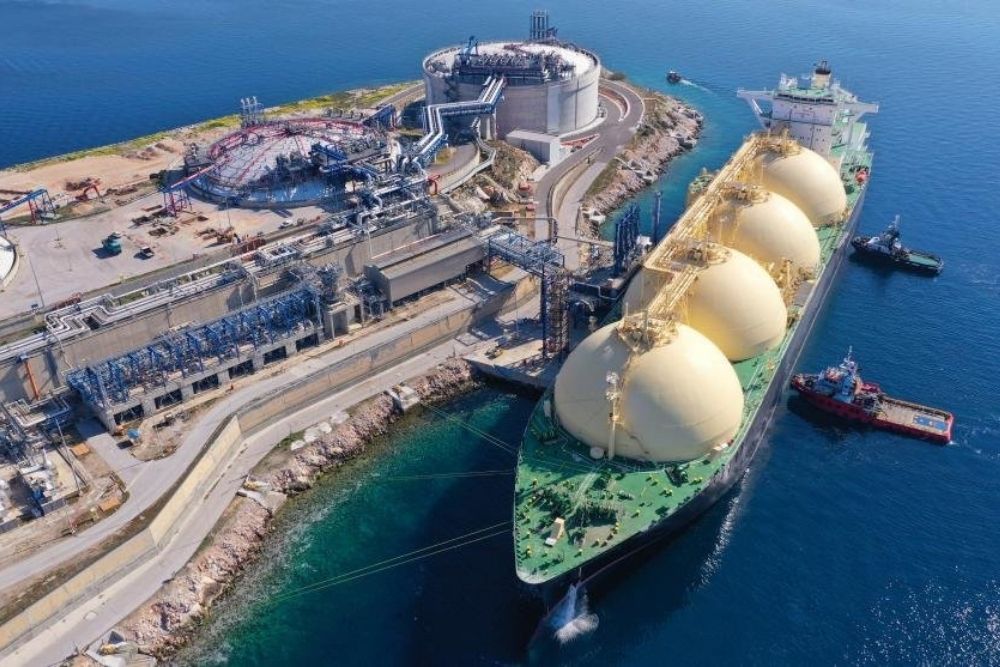
U.S. LNG exports to Asia are rising sharply because American cargoes have become one of the few flexible replacement sources available after the Iran war curtailed Middle Eastern gas supply. Shipments from the U.S. to Asia climbed from about 970,000 metric tons in February to 1.99 million tons in March and 2.71 million tons in April, meaning they have risen by more than 175% since the conflict began. In April, nearly a quarter of all U.S. LNG exports went to Asia.
The immediate reason is price and availability. Asian buyers have had to compete for flexible cargoes because Gulf supply has been disrupted, and the Asia premium remained high enough to attract more Atlantic Basin LNG eastward. The Japan-Korea Marker averaged $17.92 per mmBtu in April, compared with $15.34 for Europe’s TTF benchmark, leaving Asia about 17% more expensive on average even after both benchmarks eased from March levels.
Massachusetts offshore wind project receives federal approval
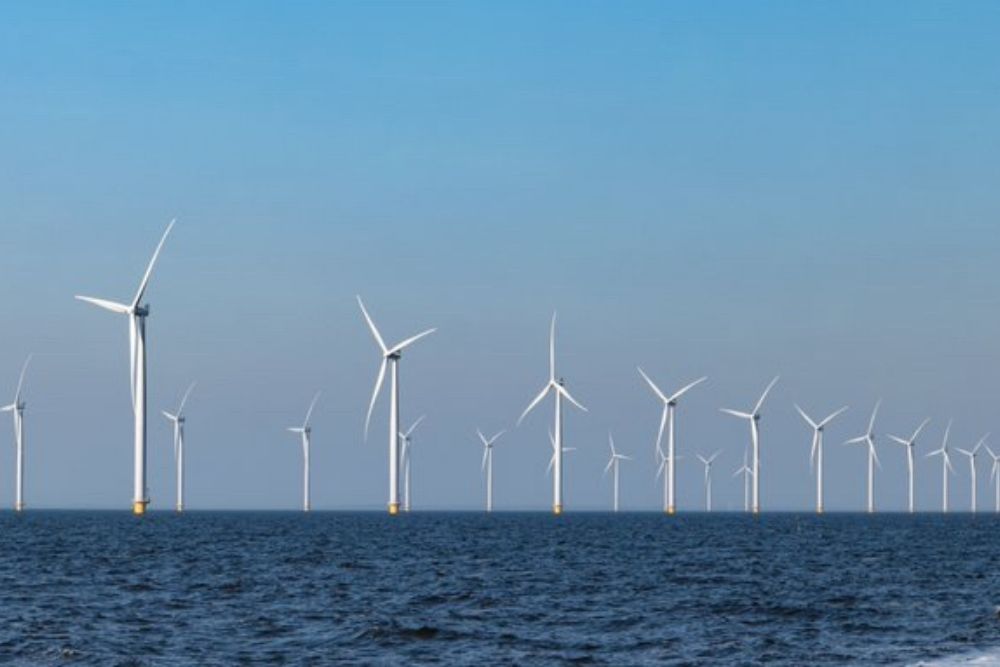
The U.S. Interior Department has granted approval for the country’s eighth commercial-scale offshore wind project, to be constructed off the coast of Massachusetts. This project, known as the New England Wind Project, is poised to provide electricity to power over 900,000 homes upon completion…