
Saudi Arabia’s Acwa signed green hydrogen deals with six Italian companies including Eni
- September 5, 2023
- Posted by: Quatro Strategies
- Categories: ESG & Renewable Energy, Europe, Middle East
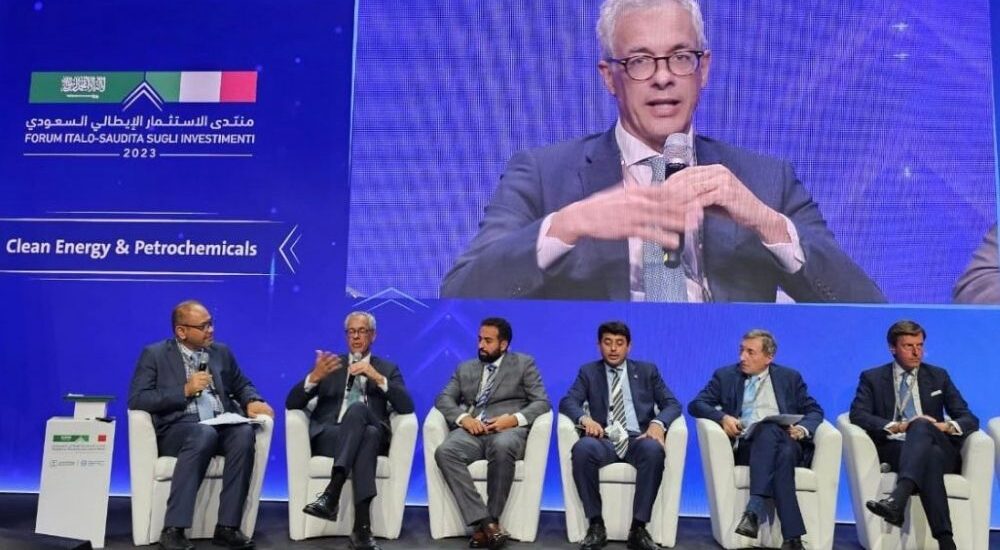
Saudi Arabia’s private utility developer, Acwa Power, has signed a series of partnership agreements with six Italian companies to explore the development of green hydrogen and water desalination projects. These agreements were signed during the Saudi-Italian Investment Forum held in Milan. The collaborations will involve research and development activities and the exchange of expertise.
The Italian companies involved in these partnerships include Eni, one of the world’s largest energy majors; A2A, a utility and waste management company; De Nora, a provider of industrial solutions; Italmatch Chemicals, a specialty additives manufacturer; Rina, a classification and engineering solutions provider; and Confindustria, a federation representing small, medium, and large enterprises.
These collaborations aim to facilitate knowledge sharing and technical expertise exchange between Acwa Power and its Italian counterparts. Acwa Power is actively developing green hydrogen projects, including a $5 billion green hydrogen-based ammonia production plant in Saudi Arabia’s Neom smart city, which will use renewable power sources for hydrogen production. The company plans to replicate similar projects elsewhere.
The agreements also highlight Acwa Power’s ambition to foster transformative opportunities for Italian and European companies in Saudi Arabia and promote sustainable progress in Italy and Europe by providing green hydrogen and technical expertise. Green hydrogen is seen as a key enabler of the transition to cleaner energy systems, and international partnerships are essential for its development and deployment.
These partnerships open doors for collaborative projects in the fields of green hydrogen production, water desalination, and renewable energy development, aligning with global efforts to combat climate change and reduce carbon emissions.
Interested in learning more?
Sign up for Top Insights Today

Top Insights Today delivers the latest insights straight to your inbox.
You will get daily industry insights on
Oil & Gas, Rare Earths & Commodities, Mining & Metals, EVs & Battery Technology, ESG & Renewable Energy, AI & Semiconductors, Aerospace & Defense, Sanctions & Regulation, Business & Politics.
Read more insights
China’s CMOC set to boost copper production in DR Congo mine
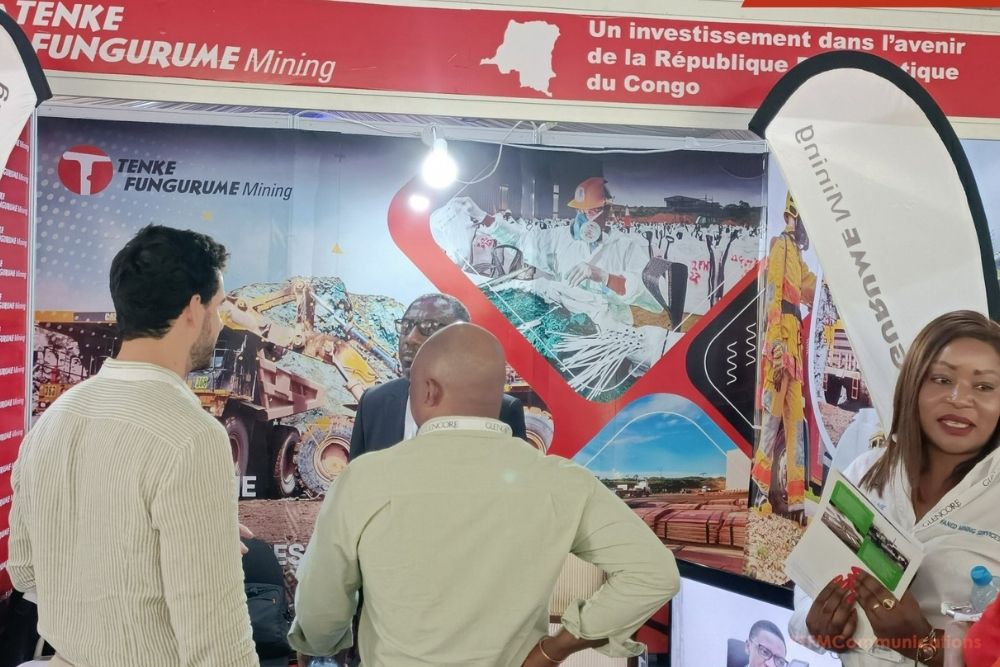
China’s CMOC is poised to boost its copper production in the DRC to 600,000 tons next year. This increase in output comes after CMOC recently resolved a dispute with the DRC’s state-owned miner, Gecamines.
Chesapeake Energy in talks to acquire Southwestern Energy
U.S. natural gas producer Chesapeake Energy Corp is reportedly in talks with Southwestern Energy about a potential acquisition, a move that could create the largest natural gas-focused exploration and production company in the U.S. by market value, surpassing EQT Corp. This comes…
France expects record foreign investments at ‘Choose France’ summit
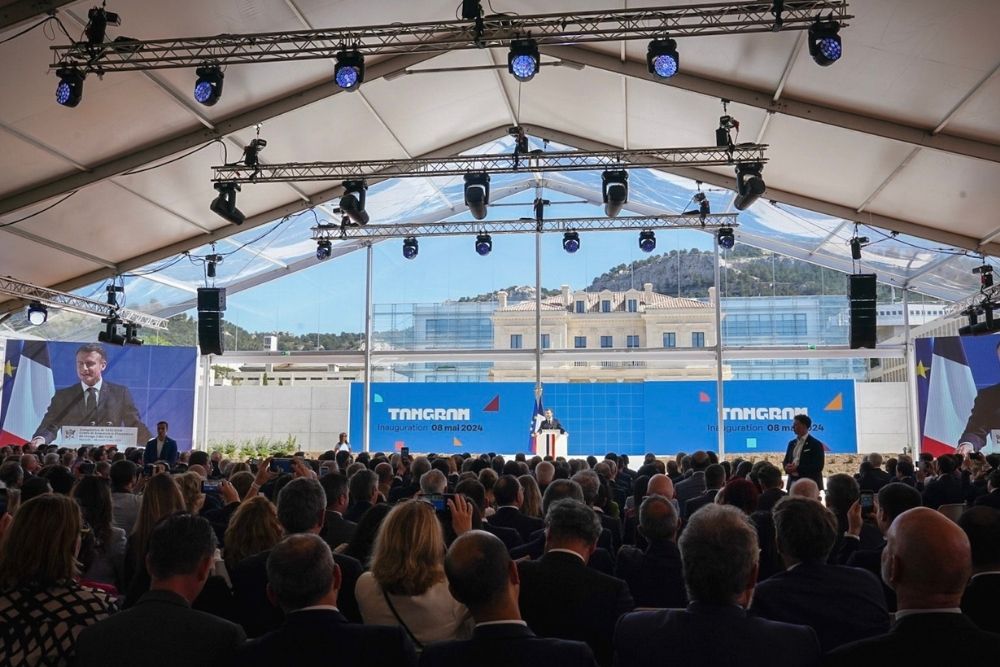
This year’s “Choose France” event, an annual summit aimed at attracting foreign investment to France, is expected to yield 15 billion euros ($16.2 billion) in foreign investments, according to the French presidency on Monday. This marks an increase from last year’s summit, which brought in 13 billion euros worth…