
Saudi Arabia’s Acwa signed green hydrogen deals with six Italian companies including Eni
- September 5, 2023
- Posted by: Quatro Strategies
- Categories: ESG & Renewable Energy, Europe, Middle East
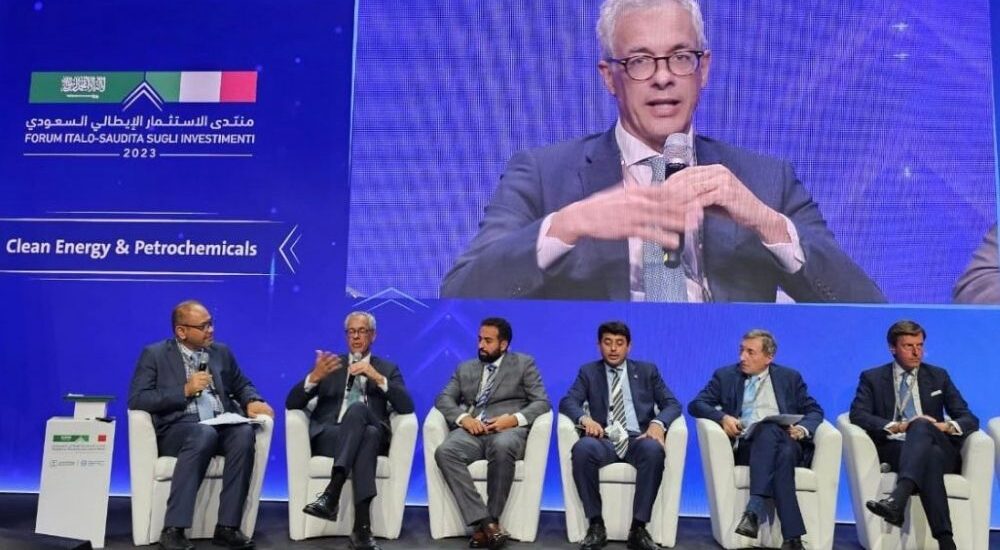
Saudi Arabia’s private utility developer, Acwa Power, has signed a series of partnership agreements with six Italian companies to explore the development of green hydrogen and water desalination projects. These agreements were signed during the Saudi-Italian Investment Forum held in Milan. The collaborations will involve research and development activities and the exchange of expertise.
The Italian companies involved in these partnerships include Eni, one of the world’s largest energy majors; A2A, a utility and waste management company; De Nora, a provider of industrial solutions; Italmatch Chemicals, a specialty additives manufacturer; Rina, a classification and engineering solutions provider; and Confindustria, a federation representing small, medium, and large enterprises.
These collaborations aim to facilitate knowledge sharing and technical expertise exchange between Acwa Power and its Italian counterparts. Acwa Power is actively developing green hydrogen projects, including a $5 billion green hydrogen-based ammonia production plant in Saudi Arabia’s Neom smart city, which will use renewable power sources for hydrogen production. The company plans to replicate similar projects elsewhere.
The agreements also highlight Acwa Power’s ambition to foster transformative opportunities for Italian and European companies in Saudi Arabia and promote sustainable progress in Italy and Europe by providing green hydrogen and technical expertise. Green hydrogen is seen as a key enabler of the transition to cleaner energy systems, and international partnerships are essential for its development and deployment.
These partnerships open doors for collaborative projects in the fields of green hydrogen production, water desalination, and renewable energy development, aligning with global efforts to combat climate change and reduce carbon emissions.
Interested in learning more?
Sign up for Top Insights Today

Top Insights Today delivers the latest insights straight to your inbox.
You will get daily industry insights on
Oil & Gas, Rare Earths & Commodities, Mining & Metals, EVs & Battery Technology, ESG & Renewable Energy, AI & Semiconductors, Aerospace & Defense, Sanctions & Regulation, Business & Politics.
Read more insights
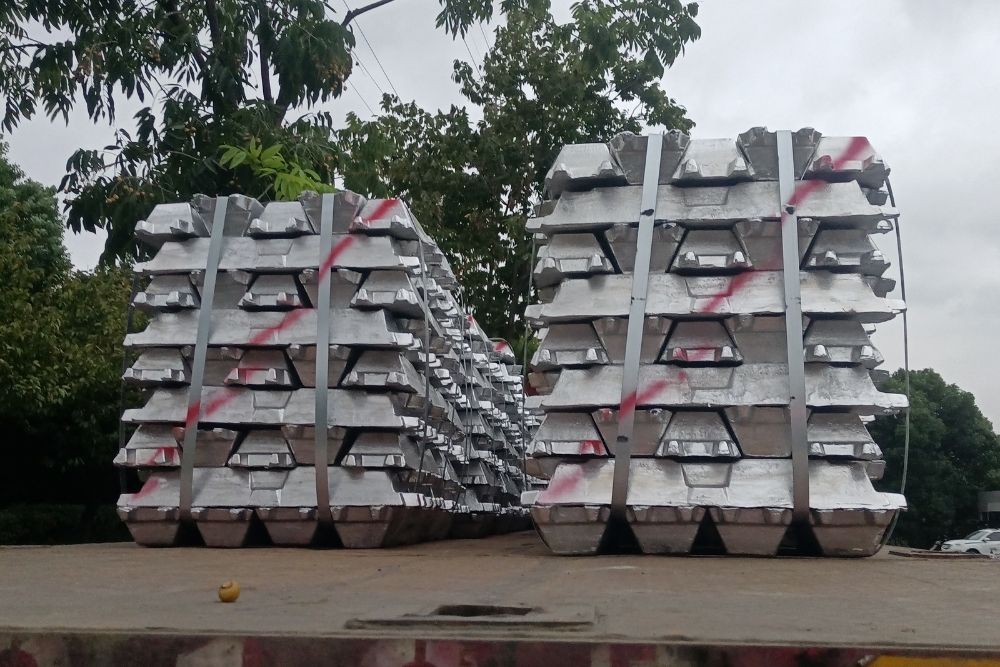
Aluminium shock turns into a wider industrial supply crisis
The aluminium market is moving beyond a standard supply squeeze into something closer to a systemic industrial shock. It is described as a “black swan” because the disruption is unusually large for a base-metals market: the Middle East accounts for about 7 million metric tons of annual smelting capacity, roughly 9% of expected global supply this year, and the war has impaired output, raw-material flows, and shipping at the same time.
The market faces at least a 2 million ton deficit through year-end, with downside risk if alumina flows through Hormuz do not improve quickly. The background is that aluminium was already vulnerable before this war. Exchange inventories had been drawn down for years, idled Western capacity was difficult to restart because of high power costs, and much of the metal sitting on the LME is Russian material that many Western consumers cannot or will not use.
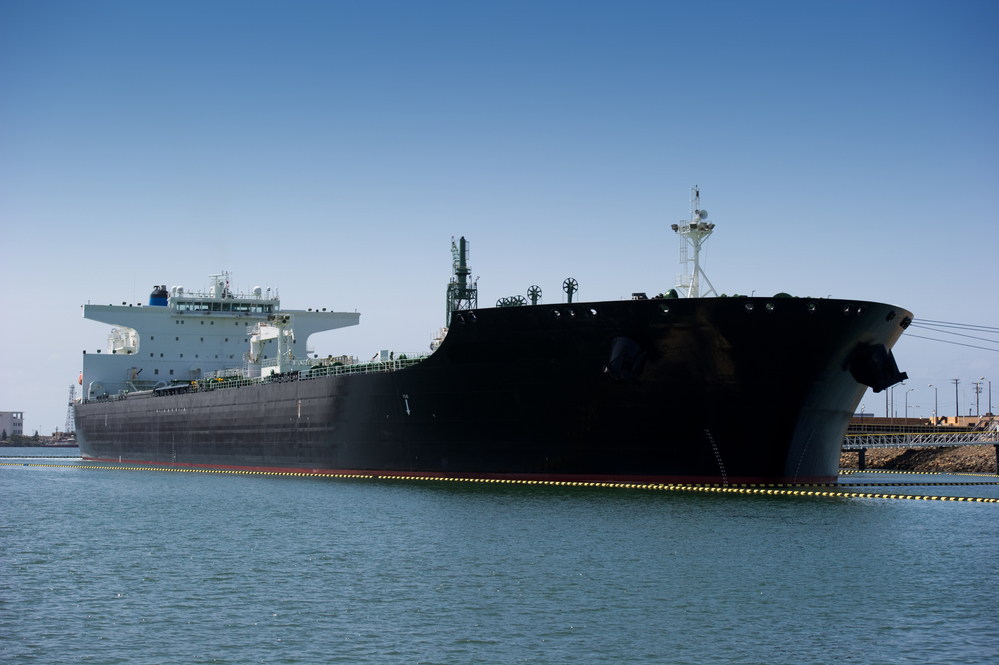
Energy imports shielded from U.S. tariffs to safeguard fuel supply
In a significant clarification to President Donald Trump’s latest wave of trade tariffs, the White House confirmed Wednesday that imports of crude oil, natural gas, and refined petroleum products will not be subject to the sweeping new duties. The exemption offers a reprieve to U.S. energy companies, which had warned that including energy imports in the tariffs could disrupt supply chains, increase costs, and potentially impact domestic fuel prices.
Trump’s announcement earlier in the day introduced a 10% baseline tariff on virtually all imports entering the United States, along with sharply higher rates on imports from major trading partners. The measures represent a substantial escalation of the trade conflict Trump reignited after returning to office, and are part of his broader “America First” agenda to bring industrial production and jobs back to U.S. soil.
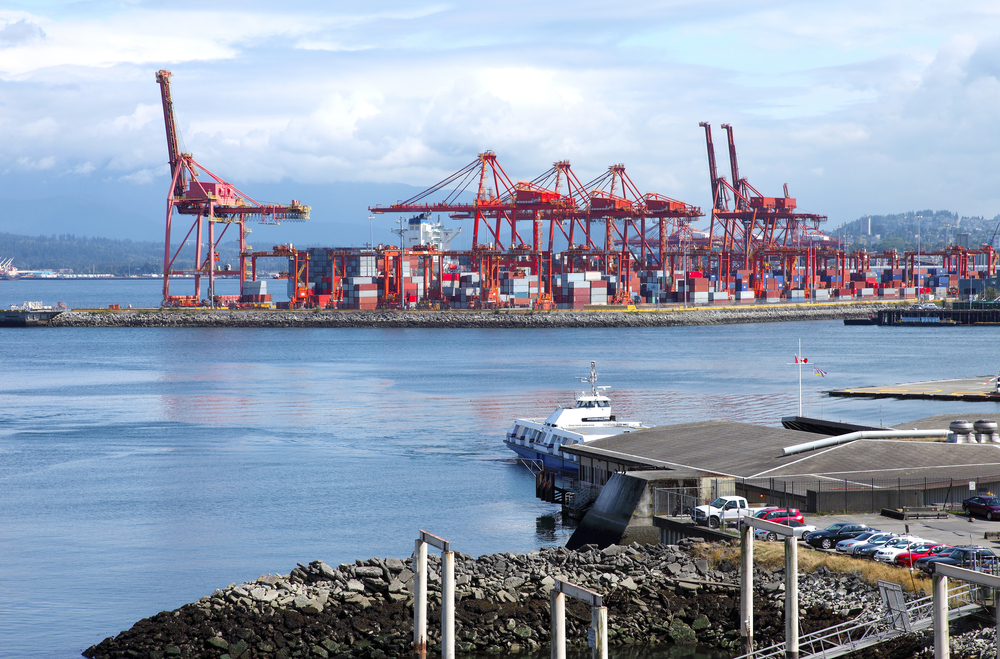
Trump’s protectionist pivot recasts economic security as national security
The Trump administration’s planned expansion of national security tariffs represents a decisive escalation of the U.S. shift toward protectionist industrial policy, one that blurs the line between trade and security while reshaping supply chains across steel, autos, semiconductors, energy, and advanced manufacturing.
What began in 2018 as narrow tariffs on imported steel and aluminum under Section 232 of the Trade Expansion Act has now morphed into a multi-front tariff regime designed to redirect production to U.S. soil and insulate the White House from legal risks tied to Trump’s more novel “reciprocal” tariffs.