
South African firms eyeing Botswana copper mine takeover
- September 6, 2023
- Posted by: Quatro Strategies
- Categories: Africa, Mining & Metals, Rare Earths & Commodities
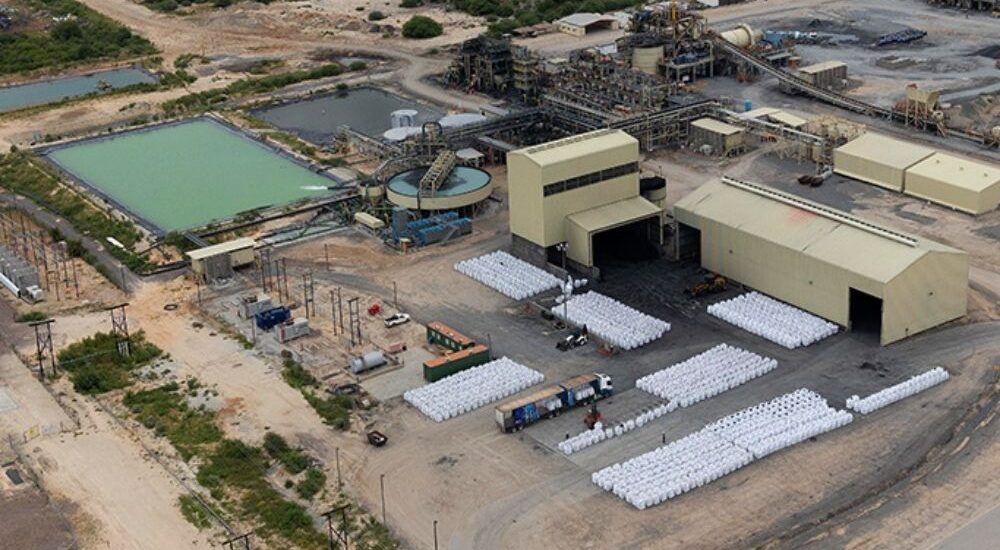
Several South African mining companies, including Impala Platinum, Exxaro Resources, and Sibanye Stillwater, are considering bids to acquire Botswana’s Khoemacau copper mine, which hosts one of Africa’s largest copper deposits. Additionally, several Chinese investors have expressed interest in the mining operations. Copper demand is expected to rise significantly in the coming years due to its use in applications such as solar panels and electric vehicles, driving increased competition among miners for copper assets.
While copper prices have experienced some recent declines due to concerns about a global economic slowdown, the long-term prospects for the metal and strong competition for the asset are likely to make it challenging for bidders to secure a bargain.
Khoemacau is owned by Cupric Canyon LP, a US private equity firm with funds managed by Global Natural Resources Investments (GNRI) and Resource Capital Fund VII LP. The sale process is expected to take several months and conclude near the end of 2023. South32 and Sandfire Resources previously dropped out of the bidding process due to the mine’s high valuation.
Khoemacau is situated in the Kalahari Copper Belt, producing approximately 60,000 tons of copper and about 2 million ounces of silver per year. Potential future investments could increase production to around 130,000 tons of copper and 5 million ounces of silver per year. The owners of Khoemacau are open to either a partnership or an outright sale of the asset. The mine is valued at an estimated $1.5 billion to $2 billion.
Interested in learning more?
Sign up for Top Insights Today

Top Insights Today delivers the latest insights straight to your inbox.
You will get daily industry insights on
Oil & Gas, Rare Earths & Commodities, Mining & Metals, EVs & Battery Technology, ESG & Renewable Energy, AI & Semiconductors, Aerospace & Defense, Sanctions & Regulation, Business & Politics.
Read more insights
France unveils strategy to accelerate mining and renewable energy projects
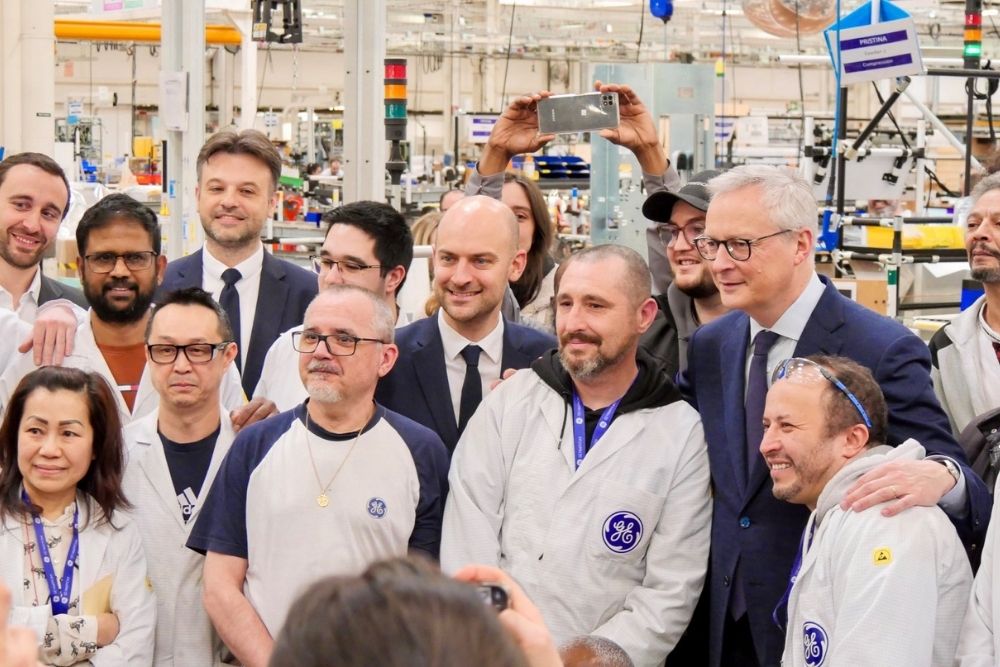
France is strategizing measures to rejuvenate copper mining and accelerate projects related to lithium and geothermal energy to diminish reliance on imports and fulfill climate objectives. Across Europe, efforts are underway to augment renewable energy capacity to mitigate emissions, with increasing…
Australia forecasts EVs to drive demand for aluminum, nickel, copper
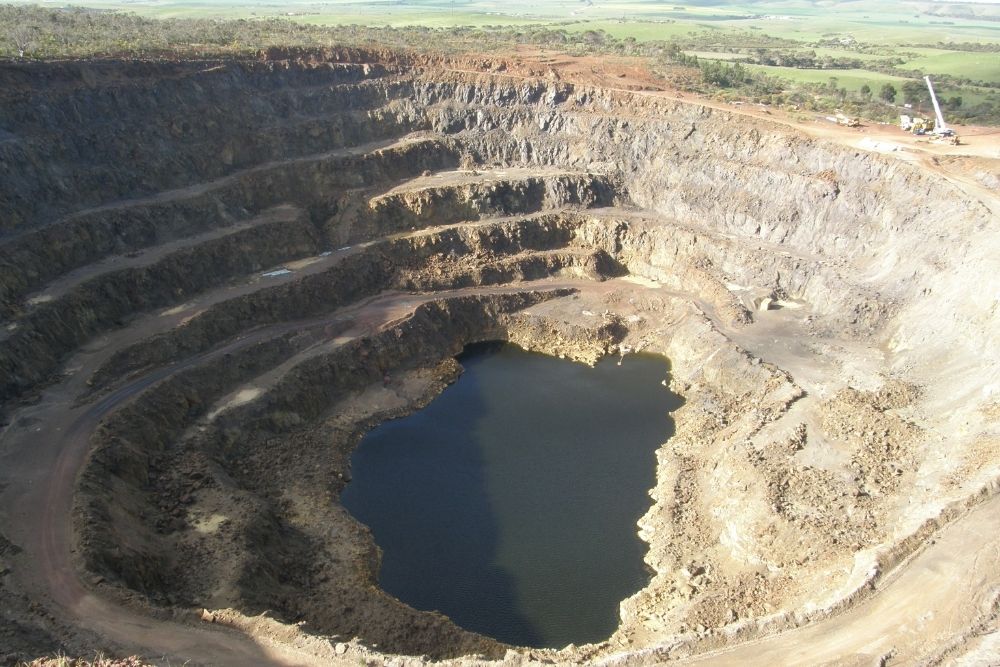
Australia has projected a substantial growth in demand for key metals like aluminum, copper, and nickel driven by the expanding electric vehicle (EV) sector over the next two years. The surge in global EV sales, expected to more than double to 23 million units annually in 2025 from 11 million units in 2023, is anticipated to boost demand for aluminum.
European nations bordering North Sea collaborate to safeguard underwater infrastructure
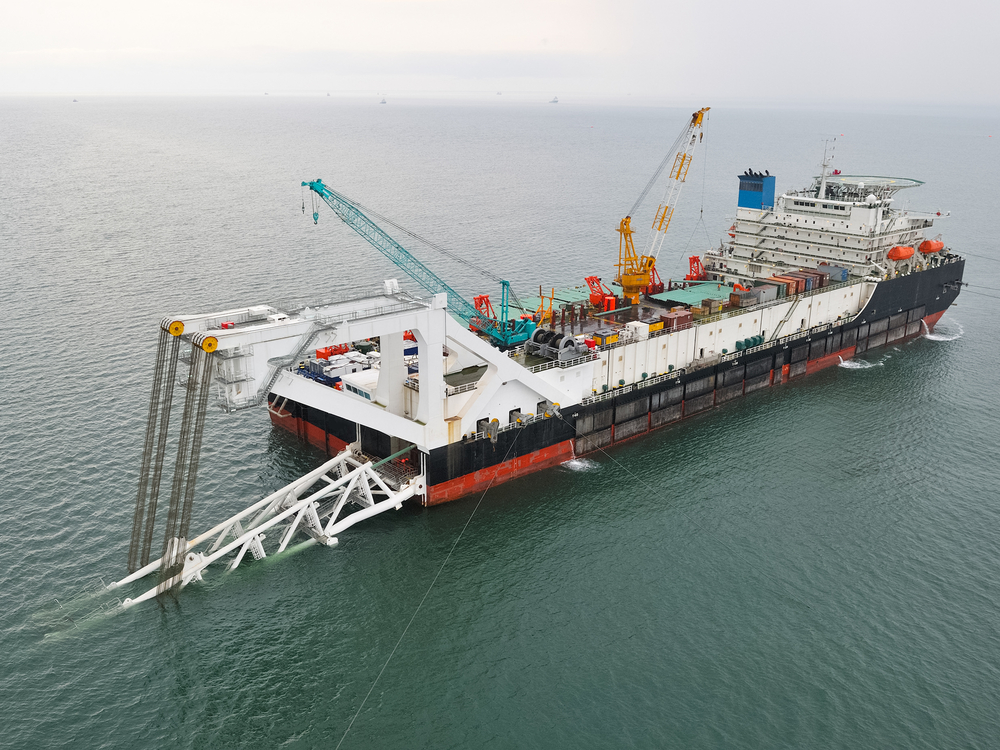
Britain and several other major European nations bordering the North Sea have taken a significant step toward safeguarding underwater infrastructure, particularly in light of potential threats, including those from Russia. On Tuesday, six countries—Belgium, Britain, Denmark, Germany, Norway…