
Three Chinese firms in the race to buy Botswana copper mine
- September 6, 2023
- Posted by: Quatro Strategies
- Categories: Africa, China, Mining & Metals, Rare Earths & Commodities
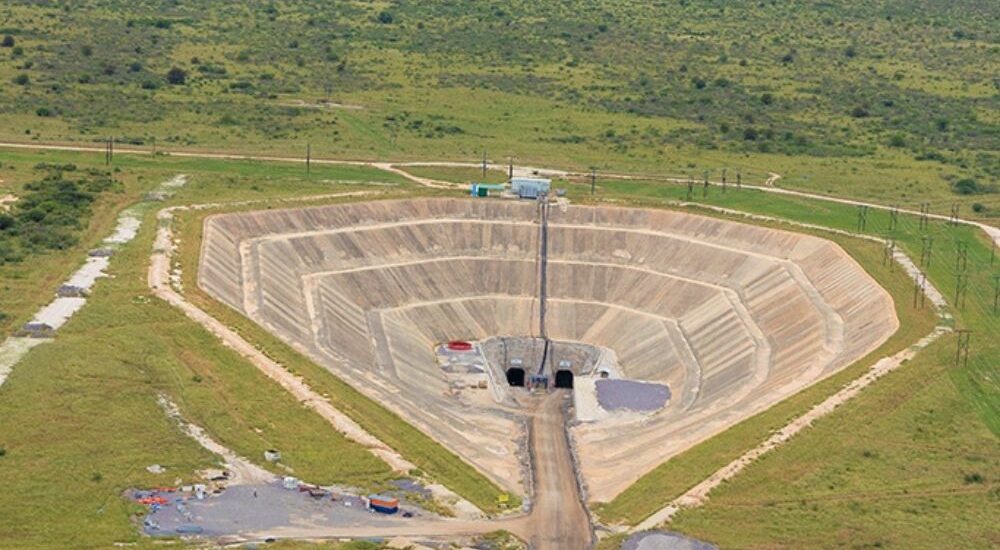
Three major Chinese entities, Zijin Mining Group, MMG Ltd., and Aluminium Corp. of China (Chinalco), are among the final contenders to acquire the Khoemacau copper mine in Botswana. The mine, with an estimated value of around $2 billion, is being pursued by a consortium led by London-based private equity firm GNRI. South African miners, Impala Platinum Holdings (Implats) and Exxaro Resources, have also made it to the shortlist.
The Khoemacau project, which began operations in mid-2021, is situated in the Kalahari copper belt and has been increasing its annual output, with plans to ramp up production to around 130,000 tons per year. The private equity firm GNRI is expected to make a final decision on the buyer within the next few weeks.
This acquisition reflects the global trend of mining companies seeking to expand their copper portfolios due to the anticipated growth in demand for copper in electric vehicles and renewable energy technologies.
It’s worth noting that both Zijin Mining Group and MMG Ltd. have a substantial presence in the copper industry and could leverage their existing expertise and resources to further develop the Khoemacau copper mine if they emerge as the successful bidder.
Interested in learning more?
Sign up for Top Insights Today

Top Insights Today delivers the latest insights straight to your inbox.
You will get daily industry insights on
Oil & Gas, Rare Earths & Commodities, Mining & Metals, EVs & Battery Technology, ESG & Renewable Energy, AI & Semiconductors, Aerospace & Defense, Sanctions & Regulation, Business & Politics.
Read more insights
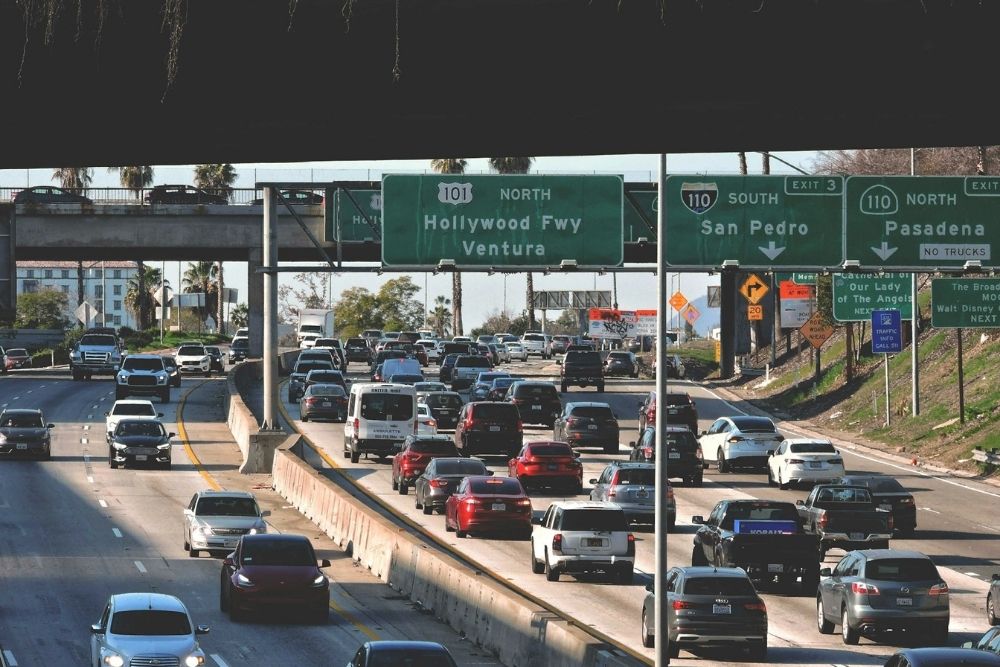
White House to rip up Biden fuel rules and hands a lifeline to gasoline vehicles
The Trump administration is moving to tear up one of Biden’s core climate tools and re-orient U.S. car policy back toward gasoline, even if it means Americans burn far more fuel and automakers slow-walk electrification. The new proposal from the National Highway Traffic Safety Administration would radically weaken federal fuel-economy rules for model years 2022-2031.
Instead of steering the fleet toward roughly 50.4 miles per gallon by 2031, NHTSA would now aim for only about 34.5 mpg, with tiny annual increases of just 0.25%–0.5%. On top of that, the agency wants to retrospectively soften the standards for recent model years, making it much easier for companies to show compliance.
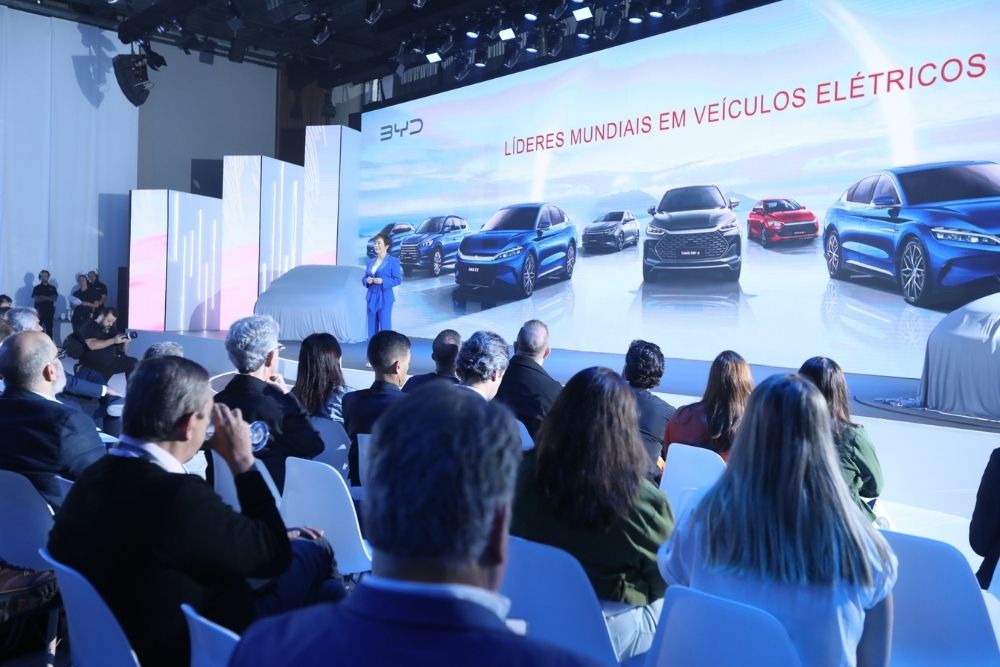
Chinese EV shipments to EU dip amidst subsidy probe
China’s exports of electric vehicles (EVs) to European Union countries experienced a significant drop by nearly a fifth during the first two months of the year, according to official Chinese data. Approximately 75,600 EVs were shipped to the EU’s 27 member countries in January and February, representing…
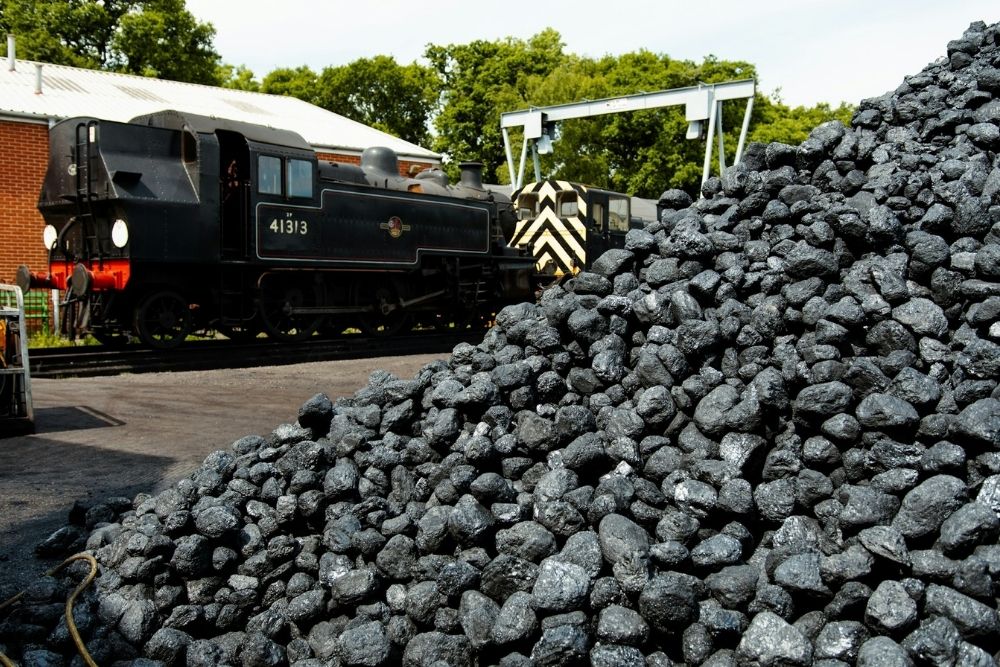
Amid trade turmoil, coal emerges as Asia’s cheapest defense
As global businesses scramble to respond to President Donald Trump’s sweeping new U.S. tariff regime—slapping at least 10% in duties on virtually all imported goods—one group is emerging as an unexpected beneficiary: coal traders.
With many of Asia’s manufacturing powerhouses facing some of the steepest new U.S. tariffs—China and Vietnam have been hit with levies of 34% and 46%, respectively—factories and governments across the region are seeking urgent ways to cut operating costs and preserve export competitiveness. That search is likely to drive a renewed dependence on coal, the region’s cheapest and most accessible fuel source.