
Three Chinese firms in the race to buy Botswana copper mine
- September 6, 2023
- Posted by: Quatro Strategies
- Categories: Africa, China, Mining & Metals, Rare Earths & Commodities
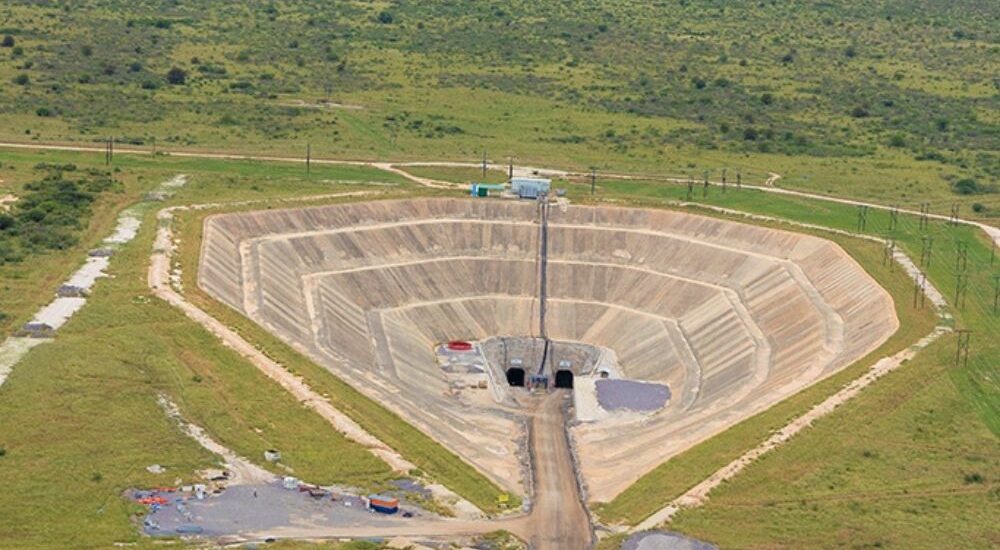
Three major Chinese entities, Zijin Mining Group, MMG Ltd., and Aluminium Corp. of China (Chinalco), are among the final contenders to acquire the Khoemacau copper mine in Botswana. The mine, with an estimated value of around $2 billion, is being pursued by a consortium led by London-based private equity firm GNRI. South African miners, Impala Platinum Holdings (Implats) and Exxaro Resources, have also made it to the shortlist.
The Khoemacau project, which began operations in mid-2021, is situated in the Kalahari copper belt and has been increasing its annual output, with plans to ramp up production to around 130,000 tons per year. The private equity firm GNRI is expected to make a final decision on the buyer within the next few weeks.
This acquisition reflects the global trend of mining companies seeking to expand their copper portfolios due to the anticipated growth in demand for copper in electric vehicles and renewable energy technologies.
It’s worth noting that both Zijin Mining Group and MMG Ltd. have a substantial presence in the copper industry and could leverage their existing expertise and resources to further develop the Khoemacau copper mine if they emerge as the successful bidder.
Interested in learning more?
Sign up for Top Insights Today

Top Insights Today delivers the latest insights straight to your inbox.
You will get daily industry insights on
Oil & Gas, Rare Earths & Commodities, Mining & Metals, EVs & Battery Technology, ESG & Renewable Energy, AI & Semiconductors, Aerospace & Defense, Sanctions & Regulation, Business & Politics.
Read more insights
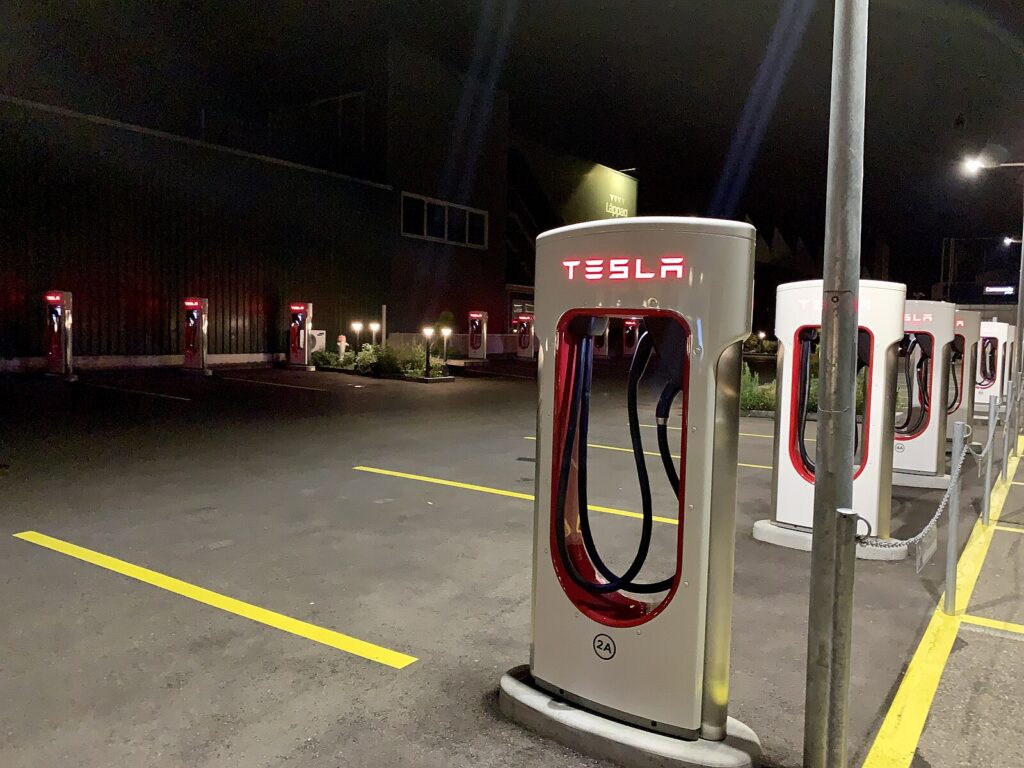
Tesla’s superchargers becoming industry standard as more automakers adopting them
An increasing number of automakers are partnering with Tesla to utilize its electric vehicle (EV) charging infrastructure across the United States. This trend is moving Tesla’s superchargers closer to becoming the industry standard for charging EVs.
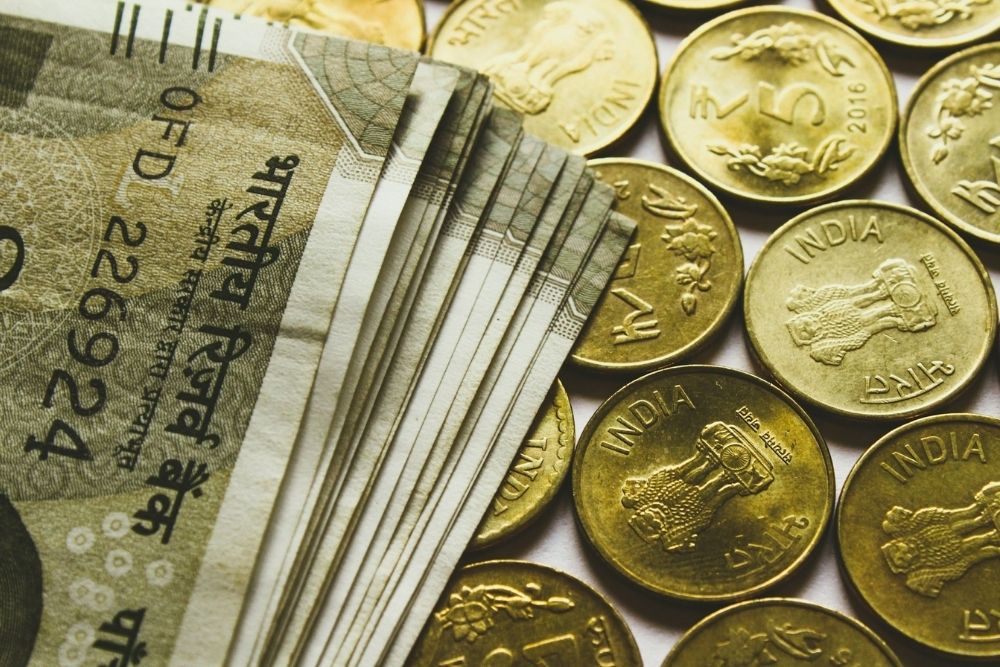
India’s rupee slide shows the macro cost of the Iran War
India is facing one of the clearest emerging-market macro shocks from the Iran war because the crisis is hitting both sides of its external account at once. The country imports around 90% of its oil and about half of its gas, so the sustained rise in global energy prices is making imports more expensive, widening the current-account deficit and putting direct pressure on the rupee.
The currency hit another record low on Thursday at 95.9575 per dollar, its third consecutive day of record lows, making it Asia’s worst-performing currency so far in 2026. The problem is that the shock is not limited to the current account. India is also facing heavy pressure on the capital account, with foreign investors pulling more than $20 billion from Indian equities since the war began.
TotalEnergies, Air Products forge green hydrogen supply deal for Northern Europe
TotalEnergies announced on Friday a significant agreement with U.S.-based industrial gases company Air Products and Chemicals for the delivery of green hydrogen. The deal, spanning 15 years, entails the annual supply of 70,000 tons of green hydrogen in Europe, commencing in 2030, as stated in a press release by TotalEnergies…