
Rolls-Royce, Airbus, EasyJet launch hydrogen partnership
- September 6, 2023
- Posted by: Quatro Strategies
- Categories: Aerospace & Defense, ESG & Renewable Energy, Europe
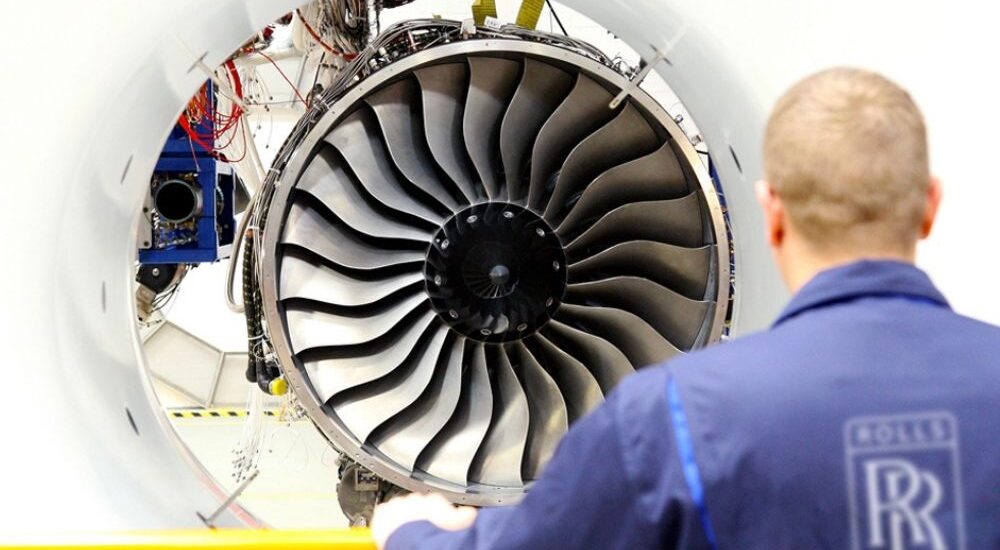
Airbus, easyJet, and Rolls-Royce have formed an alliance called “Hydrogen in Aviation (HIA)” aimed at positioning the UK as a leader in hydrogen-powered aviation. The alliance intends to ensure that infrastructure, policy, regulatory, and safety frameworks are in place for the introduction of hydrogen-powered aircraft.
Airbus is planning to introduce a hydrogen-powered commercial aircraft by 2035, and easyJet’s CEO, Johan Lundgren, expressed hopes that his company could become the first customer for such an aircraft. This alliance comes as the aviation industry grapples with the challenge of achieving net-zero emissions by 2050.
Hydrogen flight is among several technologies being explored to decarbonize aviation, but it faces various challenges, including securing a reliable supply of hydrogen produced from renewable energy, redesigning aircraft to accommodate large and heavy hydrogen tanks, and developing new infrastructure at airports.
The HIA alliance, which also includes British parts-maker GKN Aerospace and Denmark-based green energy firm Orsted, plans to work closely with the government and aviation regulators to create the necessary frameworks for hydrogen-powered aviation. They aim to produce a report before the end of 2023 outlining the milestones needed over the next decade to make hydrogen-based flight a reality.
Interested in learning more?
Sign up for Top Insights Today

Top Insights Today delivers the latest insights straight to your inbox.
You will get daily industry insights on
Oil & Gas, Rare Earths & Commodities, Mining & Metals, EVs & Battery Technology, ESG & Renewable Energy, AI & Semiconductors, Aerospace & Defense, Sanctions & Regulation, Business & Politics.
Read more insights
Norway’s Equinor to proceed with UK oil project, boost LNG supply to India
Norwegian oil and gas producer Equinor has confirmed its commitment to developing the Rosebank oil and gas field, one of Britain’s last major oil reservoirs, despite ongoing opposition from climate activists. Speaking on the sidelines of the India Energy Week conference in New Delhi, Equinor’s UK manager, Alex Grant, emphasized…
Europe’s energy crisis has shifted from supply to affordability
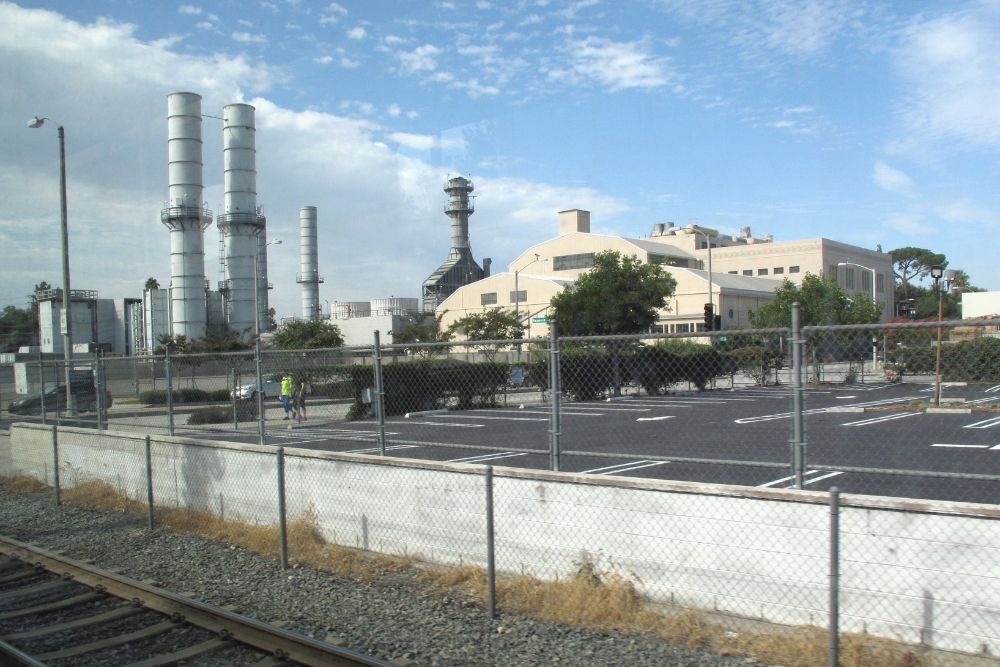
Europe spent the winter of 2022 in visible emergency, with gas at unprecedented levels, governments capping bills and factories going dark, and it responded with the fastest infrastructure buildout in the continent’s postwar history. When the Iran war closed the Strait of Hormuz this February and removed a fifth of global LNG supply, that investment held. Prices rose, storage lagged, but nothing broke.
The lesson Europe has drawn from this is that it has solved its energy security problem. The lesson it has not drawn is that the thing now destroying its industrial base is not disruption at all. It is the price level that persists after the disruption is survived.
Strategic realignments propel Vietnam to top-tier trade partner for China
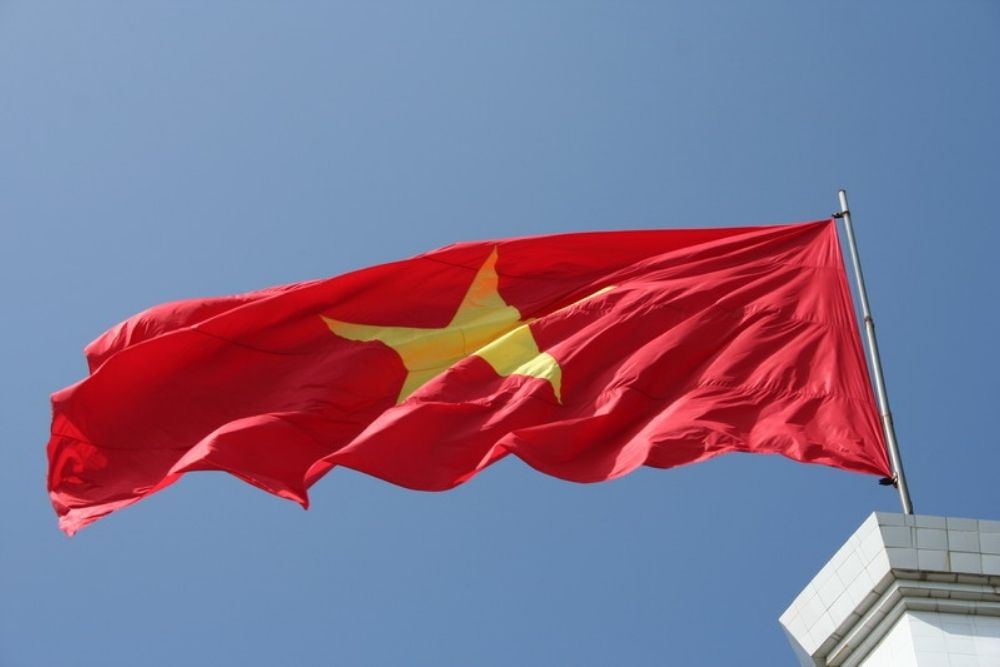
Vietnam has surpassed Japan to become China’s third-largest export destination, a milestone driven by shifting global trade dynamics and the reconfiguration of supply chains due to U.S. tariffs. In 2024, China’s exports to Vietnam surged nearly 18% to a record $162 billion, outpacing shipments to Japan, which stood at $152 billion…